

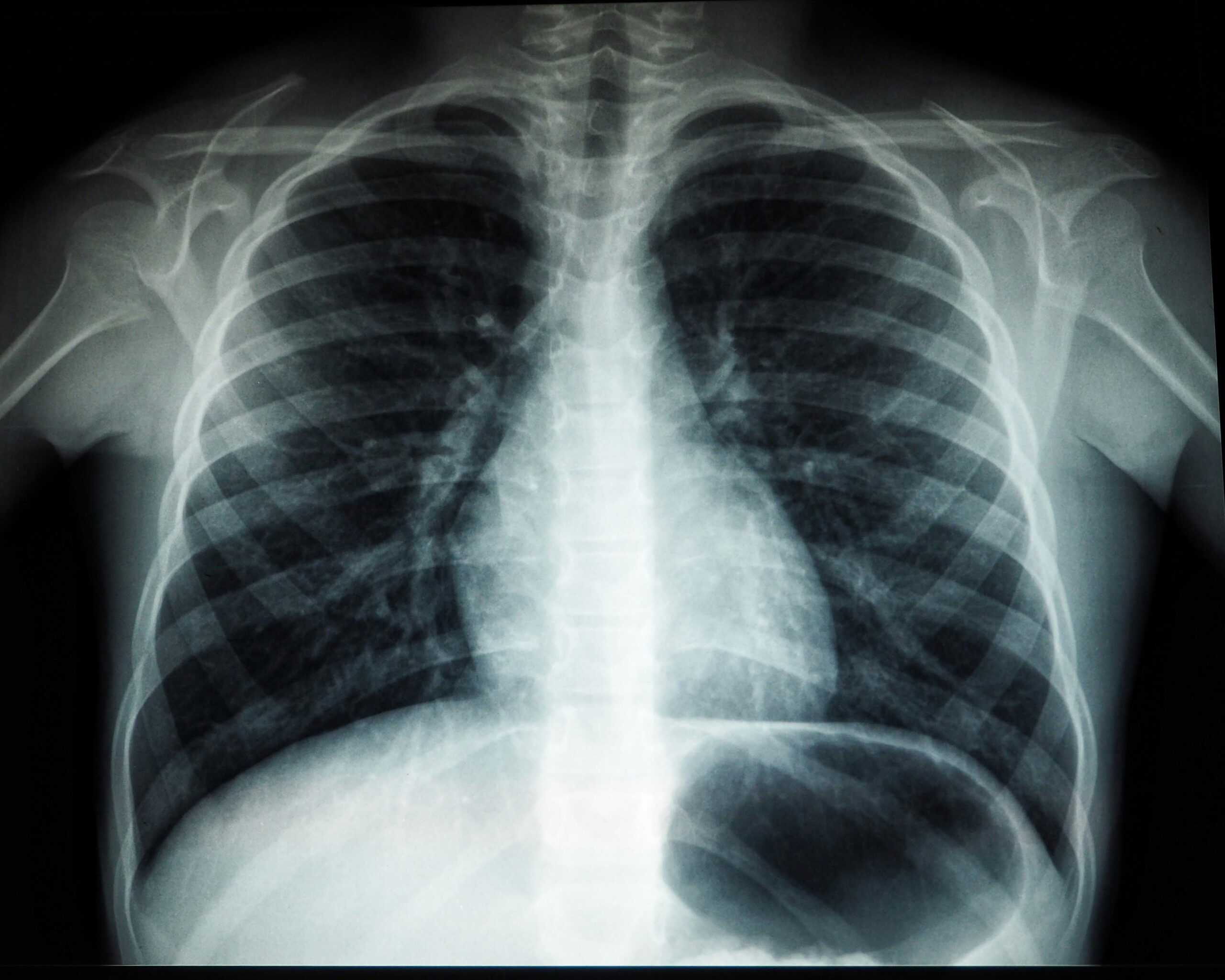
Tuberculosis (TB) is a serious infection caused by bacteria called Mycobacterium tuberculosis. It usually affects the lungs but can also affect other parts of the body such as the lymph nodes, bones, brain lining, abdomen, and kidneys. TB spreads when a person inhales tiny droplets released by someone with active lung TB, usually when they cough or sneeze. In rare cases, it can also spread through unpasteurised milk containing certain TB bacteria.
If you think you might have TB, Hope Plus can help you get connected to a licensed healthcare provider in minutes. Through Hope Plus, you can have a consultation, discuss your symptoms, and receive guidance on the next steps for diagnosis and treatment.
Key Takeaways
- TB is a bacterial infection that can affect the lungs or other organs.
- Common symptoms include chronic cough, fever, night sweats, weight loss, and loss of appetite.
- TB can be pulmonary (lungs) or extrapulmonary (other organs).
- Diagnosis involves tests such as GeneXpert, sputum microscopy, X-rays, and sometimes biopsies.
- Treatment requires a full course of anti-TB medication, and drug-resistant TB requires specialised treatment.
Causes of Tuberculosis
TB is caused by bacteria from the Mycobacterium tuberculosis complex, including:
- M. tuberculosis (most common)
- M. bovis, M. africanum, M. avium, and M. microti
TB is usually spread through inhaling droplets from a person with active lung TB. Drinking unpasteurised milk containing M. bovis can also cause TB.
Symptoms of TB
General Symptoms
- Fever, often in the evenings
- Excessive night sweats
- Weight loss and loss of appetite
Pulmonary TB (Lungs)
- Persistent cough lasting more than two weeks (shorter in people living with HIV)
- Chest pain and shortness of breath
- Coughing up pus or occasionally blood
Extrapulmonary TB (Other Organs)
- Lymph nodes: Swelling, often in the neck
- Pleura or pericardium: Fluid buildup around lungs or heart
- Abdomen: Abdominal pain and fluid buildup (ascites)
- Brain (TB meningitis): Headache, confusion, changes in consciousness
- Bones and joints: Swelling, deformities, especially in the spine
Complications
If TB is untreated, it can cause:
- Severe coughing up of blood (massive haemoptysis)
- Collapsed lung (spontaneous pneumothorax)
- Fluid around the lungs or heart
- Bone deformities from spinal or joint TB
- Respiratory failure
Types and Case Definitions of TB
Healthcare providers classify TB in several ways:
- Presumptive TB: Showing symptoms or chest X-ray suggestive of TB
- Bacteriologically confirmed TB: Laboratory tests confirm TB bacteria
- Clinically diagnosed TB: Diagnosed based on symptoms and investigations when lab tests are negative
Pulmonary vs Extrapulmonary TB
- Pulmonary TB: Affects lung tissue or airways
- Extrapulmonary TB: Affects organs outside the lungs, such as lymph nodes or spine
- Patients with both are usually classified as pulmonary TB
Treatment History Classifications
- New TB: No previous treatment or less than one month of treatment
- Relapse: Previously treated and cured but TB returned
- Treatment after failure: Previous treatment failed
- Treatment after loss to follow-up: Patient stopped previous treatment
- Unknown: Previous treatment history unclear
Drug Resistance Classifications
- Drug-sensitive TB (DS-TB): Responds to first-line TB medicines
- Drug-resistant TB (DR-TB): Resistant to one or more TB medicines
- Rifampicin-resistant TB (RR-TB)
- Mono-resistant, poly-drug resistant, multi-drug resistant (MDR-TB), extensively drug-resistant TB (XDR-TB)
HIV Status
All TB patients should be offered an HIV test, as HIV increases the risk of TB and affects treatment plans.
Differential Diagnosis
Other conditions can mimic TB symptoms:
- Pneumonia, COVID-19, fungal lung infections
- HIV/AIDS
- Lung cancers or other chronic lung diseases
- Post-TB lung disease or other infections like brucellosis
Screening and Diagnosis
Screening
Screening identifies people at risk of TB. Anyone visiting a healthcare facility should be screened for TB at each visit.
Investigations
- Sputum sample: Tested with GeneXpert MTB/RIF to detect TB and resistance to Rifampicin
- Sputum smear microscopy: Used when GeneXpert is not available
- Other tests: Chest X-ray, ultrasound, biopsies, tuberculin skin test (TST) in children
- Drug susceptibility testing: Confirms TB and identifies resistance patterns, especially if treatment is failing
Treatment
Treatment requires a full course of anti-TB medicines under the supervision of a healthcare provider. Drug-resistant TB may require longer, specialised treatment. Patients should never stop TB medication without guidance from their provider, as incomplete treatment can lead to resistance and severe complications.
Prevention
- Early detection and treatment of TB infections
- Avoid close contact with people with active pulmonary TB
- Use pasteurised milk to prevent TB from M. bovis
- Maintain good nutrition and follow-up on TB screening if at risk
FAQ About TB
1. How is TB spread?
TB spreads through tiny droplets released when a person with active lung TB coughs or sneezes.
2. Can TB affect organs other than the lungs?
Yes, TB can affect lymph nodes, bones, spine, brain lining, abdomen, kidneys, and heart.
3. How long does TB treatment take?
Treatment for drug-sensitive TB usually lasts 6 months. Drug-resistant TB may take 18 months or longer.
4. Can TB be cured?
Yes, TB can be cured if the full course of treatment is completed under supervision.
5. Can I get TB more than once?
Yes, TB can return after treatment, especially if treatment was incomplete or if you have a weakened immune system.
6. Should I be tested for HIV if I have TB?
Yes, all TB patients are advised to be tested for HIV as it can affect TB management.
7. How can I prevent TB at home?
Cover your mouth when coughing, ensure good ventilation, avoid close contact with active TB patients, and use pasteurised milk.