

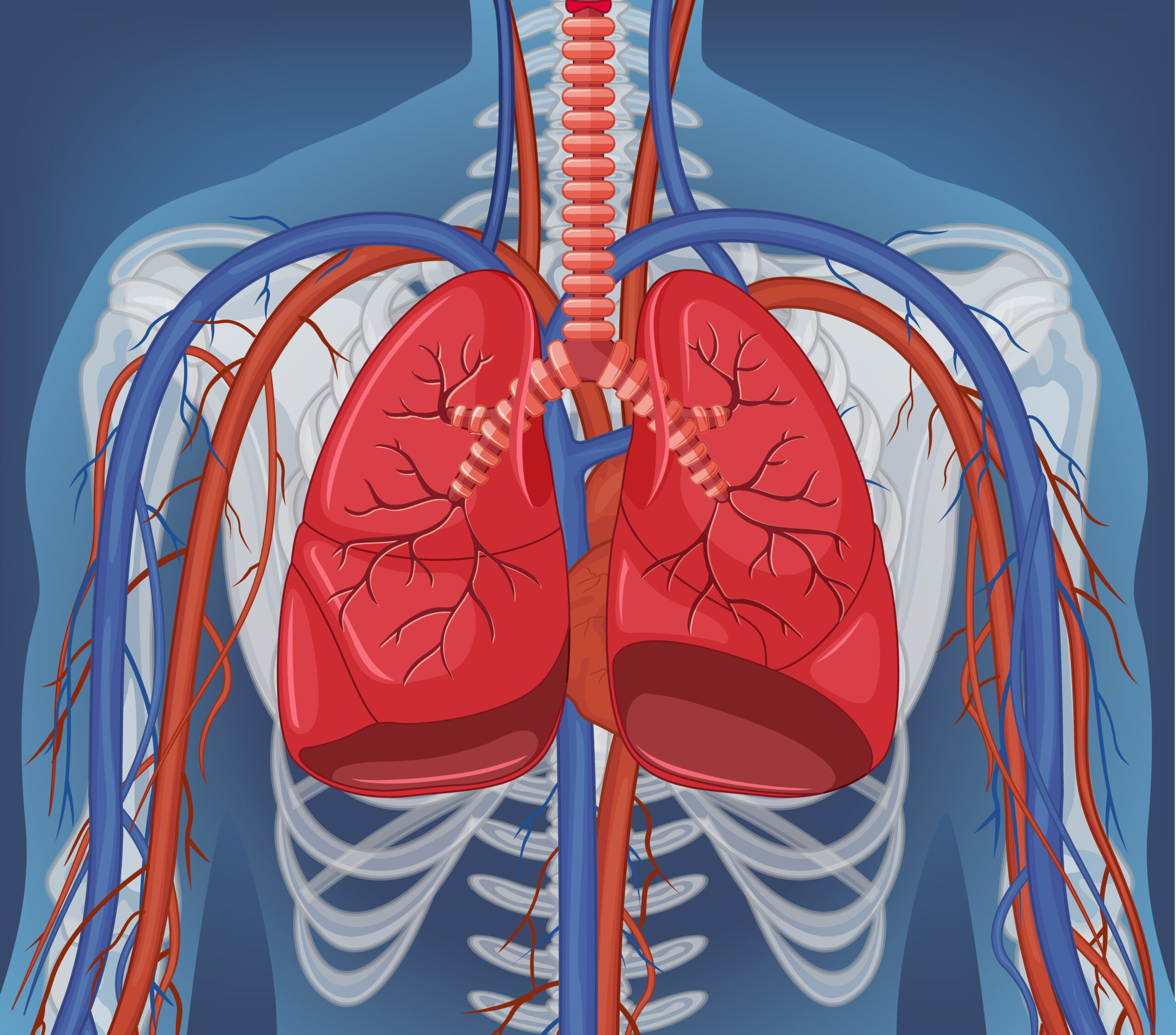
A lung abscess is a pocket of pus that forms in the lungs when part of the lung tissue becomes inflamed and damaged. This usually happens when bacteria get into the lungs, often after accidentally inhaling saliva or other material into the airways. Lung abscesses can be serious if not treated, as the infection can spread and cause complications in other parts of the body.
If you are worried about your symptoms, Hope Plus can connect you to a licensed healthcare provider for a consultation in minutes. Through Hope Plus, you can speak directly with professionals who can guide you on treatment and help you get the right care quickly.
Key Takeaways
- A lung abscess is caused by infection, often following inhalation of saliva or food particles into the lungs.
- Symptoms include cough with pus, fever, chills, chest pain, and sometimes foul-smelling breath.
- Treatment involves strong antibiotics, sometimes physiotherapy, and rarely surgery.
- Early detection and prompt treatment of lung infections help prevent lung abscesses.
- Complications can affect other organs if the infection spreads.
Causes of Lung Abscess
Lung abscesses are usually caused by bacteria that produce pus. Common organisms include:
- Klebsiella pneumoniae
- Staphylococcus aureus
People with impaired consciousness, swallowing problems, or severe illness are more likely to accidentally inhale oral secretions, which can lead to infection.
Symptoms of Lung Abscess
Symptoms may develop suddenly or gradually and can include:
- Feeling very tired and weak (malaise)
- Loss of appetite
- Fever, chills, and sweating
- Coughing up pus or phlegm
- Foul-smelling breath (halitosis)
- Chest pain, especially if the lining of the lungs (pleura) is inflamed
- Swelling or rounding of the fingertips (finger clubbing) in long-term cases
Possible Complications
If untreated, lung abscesses can cause:
- Pus in the chest cavity (empyema)
- Coughing up blood (haemoptysis)
- Spread of infection to other parts of the body, such as the brain (causing brain abscess)
- Damage to the airways (bronchiectasis)
Diagnosis
Doctors will confirm a lung abscess using:
- Chest X-ray: Early stages may show lung consolidation, while later stages reveal a cavity with fluid.
- Sputum tests: Microscopy and culture help identify the bacteria causing the infection.
Treatment and Management
Treatment usually takes several weeks and is guided by a healthcare provider. Management may include:
Stepwise Approach
- Initial Antibiotics:
- Adults: Benzylpenicillin 1–2 million units IV or IM every 4–6 hours plus Metronidazole 500 mg IV every 8–12 hours.
- Children: Adjusted doses based on weight.
- Switch to Oral Antibiotics Once Improved:
- Metronidazole 400 mg every 12 hours
- Amoxicillin 500 mg–1 g every 8 hours (adjusted for children)
- Additional Measures:
- Postural drainage and physiotherapy to help clear pus from the lungs
- Surgery may be necessary if the abscess does not respond to antibiotics
Prevention
Preventing lung abscess involves:
- Early detection and treatment of pneumonia or other lung infections
- Careful attention to swallowing problems and avoiding inhaling food or saliva
FAQ About Lung Abscess
1. Can a lung abscess go away on its own?
Most lung abscesses need antibiotics and sometimes drainage. Untreated abscesses can be dangerous.
2. How long does treatment take?
Treatment can last from 4 to 8 weeks, depending on the severity and response to antibiotics.
3. Can lung abscess spread to other parts of the body?
Yes, if the infection is severe, it can spread through the bloodstream to organs like the brain.
4. What is postural drainage?
This is a physiotherapy technique where you lie in certain positions to help pus drain from the lungs.
5. Is surgery common for lung abscess?
Surgery is rare and usually only needed if antibiotics and physiotherapy do not work.
6. Can children get lung abscess?
Yes, children can get lung abscesses, especially if they have swallowing difficulties or severe infections.
7. How can I prevent a lung abscess?
Prompt treatment of pneumonia, careful eating and drinking if swallowing is difficult, and maintaining good oral hygiene can reduce risk.