

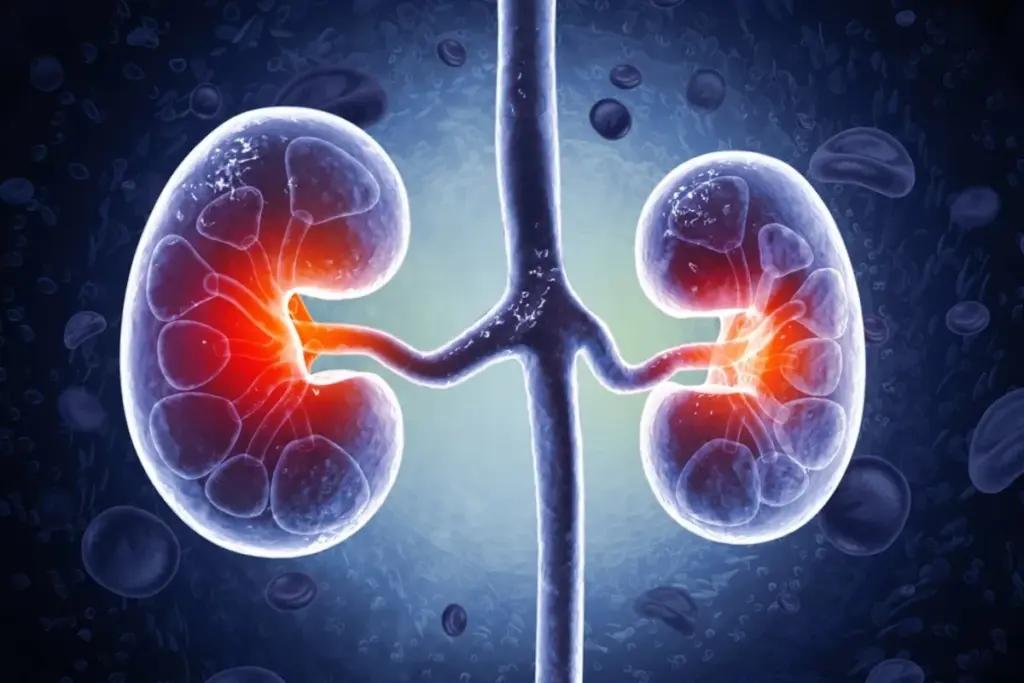
Acute kidney failure, also called acute renal failure or acute kidney injury, is a serious condition where the kidneys suddenly stop working properly over a short period of time. The kidneys play an important role in removing waste products, balancing body fluids, controlling blood pressure, and maintaining healthy levels of minerals in the body.
When the kidneys fail to work properly, harmful waste products and excess fluid can build up in the bloodstream. Without prompt treatment, acute kidney failure can lead to severe complications affecting the heart, lungs, brain, and other organs. Early diagnosis and treatment can greatly improve recovery and help prevent permanent kidney damage.
If you or a loved one develops symptoms such as very little urine, body swelling, severe weakness, or unexplained shortness of breath, it is important to seek medical attention quickly. Through Hope Plus, you can connect with a licensed healthcare provider in minutes, discuss your symptoms, receive medical guidance, and learn whether urgent hospital assessment is needed.
Key Takeaways
- Acute kidney failure occurs when the kidneys suddenly stop functioning properly.
- Common causes include dehydration, severe infections, shock, heart failure, urinary blockage, and certain medicines.
- Symptoms may include reduced urine output, body swelling, high blood pressure, nausea, and difficulty breathing.
- Early treatment focuses on correcting the underlying cause and preventing complications.
- Severe cases may require specialist care and dialysis.
What Is Acute Kidney Failure?
Acute kidney failure is a sudden decline in kidney function that develops over hours or days. The kidneys can no longer effectively remove waste products and excess fluids from the body.
This condition is considered a medical emergency because kidney function can worsen rapidly if treatment is delayed.
Unlike chronic kidney disease, which develops slowly over months or years, acute kidney failure happens suddenly and may be reversible if treated early.
Causes of Acute Kidney Failure in Uganda
Several conditions can reduce blood flow to the kidneys, block urine flow, or directly damage kidney tissue.
Reduced Blood Flow to the Kidneys
The kidneys need a steady blood supply to function properly. Conditions that reduce blood flow can lead to kidney injury.
Common causes include:
- Severe dehydration from diarrhoea or vomiting
- Major blood loss
- Severe infections
- Shock
- Heart failure
- Severe burns or trauma
Blockage of Urine Flow
Urine must flow freely from the kidneys to the bladder. A blockage can cause pressure to build up and damage the kidneys.
Possible causes include:
- Enlarged prostate in men
- Kidney stones
- Tumours affecting the urinary tract
- Severe urinary tract abnormalities
Direct Kidney Damage
Certain diseases and substances can directly injure kidney tissue.
Examples include:
- Glomerulonephritis
- Severe infections affecting the kidneys
- Autoimmune diseases
- Poisoning and toxic substances
- Some medications that can damage the kidneys
Symptoms of Acute Kidney Failure
Symptoms may develop suddenly and can vary depending on the severity of kidney damage.
Common symptoms include:
Reduced Urine Output
Many patients notice that they pass much less urine than usual. Some may stop producing urine almost completely.
Swelling of the Body
Fluid can accumulate in the body, causing swelling of:
- Feet
- Ankles
- Legs
- Hands
- Face
High Blood Pressure
The kidneys help regulate blood pressure. Kidney failure can cause blood pressure to rise significantly.
Shortness of Breath
Excess fluid may collect in the lungs, making breathing difficult.
Digestive Symptoms
Patients may experience:
- Nausea
- Vomiting
- Loss of appetite
- General discomfort
Nervous System Symptoms
As waste products accumulate in the blood, symptoms may include:
- Extreme tiredness
- Drowsiness
- Confusion
- Convulsions or seizures in severe cases
How Acute Kidney Failure Is Diagnosed
Healthcare providers will ask about symptoms, medical history, and any medicines being taken.
Urine Tests
Urine samples may be checked for:
- Blood
- Protein
- White blood cells
- Abnormal kidney cells and casts
Blood Tests
Blood tests help assess kidney function and identify complications.
Common tests include:
- Urea levels
- Creatinine levels
- Electrolytes such as potassium and sodium
Additional tests may be performed depending on the suspected cause.
Treatment of Acute Kidney Failure
Treatment aims to restore kidney function, treat the underlying cause, and prevent complications.
Step 1: Treat the Underlying Cause
Healthcare providers first identify and manage the condition that triggered the kidney injury.
Examples include:
- Treating dehydration with appropriate fluids
- Managing severe infections
- Treating heart failure
- Relieving urinary tract blockages
Step 2: Careful Fluid Monitoring
Fluid balance is very important during treatment.
Healthcare providers may:
- Measure all fluids taken in
- Monitor urine output closely
- Adjust fluid intake based on the patient’s condition
- Assess for signs of fluid overload or dehydration
Step 3: Monitor Blood Pressure
Blood pressure is checked regularly because both high and low blood pressure can worsen kidney function.
Step 4: Daily Weight Monitoring
Daily weight measurements help healthcare providers determine whether excess fluid is building up in the body.
Step 5: Dietary Adjustments
Dietary changes may be recommended while the kidneys recover.
Salt Restriction
Reducing salt intake can help decrease swelling and control blood pressure.
Potassium Restriction
Foods rich in potassium may need to be limited because high potassium levels can affect the heart.
Examples include:
- Bananas
- Oranges
- Some vegetables
- Meat products
- Certain fizzy drinks
Moderate Protein Intake
Protein remains important, but excessive amounts may increase waste products that the kidneys must remove.
Adequate Calories
Patients still need enough energy from food to support healing and recovery.
Step 6: Treat Complications
Healthcare providers may treat complications such as:
- Infections
- High blood pressure
- Seizures
- Electrolyte imbalances
Medicine doses are often adjusted because damaged kidneys cannot remove drugs normally.
Step 7: Medicines to Increase Urine Output
In some patients with very low urine production, medicines such as furosemide may be given through a vein to help increase urine output.
The response is monitored carefully by healthcare providers.
When Is Dialysis Needed?
Some patients develop severe kidney failure despite treatment.
Specialist referral is urgently required when:
- Urine output becomes extremely low
- No urine is produced
- Kidney function continues to worsen
- Serious complications develop
In these situations, dialysis may be needed. Dialysis is a treatment that helps remove waste products and excess fluid from the blood when the kidneys cannot do so effectively.
Early referral to a specialist centre is important before the condition becomes critical.
Possible Complications
Without prompt treatment, acute kidney failure can lead to:
- Severe fluid overload
- Dangerous electrolyte imbalances
- Heart complications
- Lung complications
- Seizures
- Permanent kidney damage
- Death in severe cases
Prevention of Acute Kidney Failure
Not all cases can be prevented, but the risk can be reduced by:
- Drinking enough fluids during illness and hot weather
- Seeking treatment early for severe diarrhoea and vomiting
- Managing high blood pressure and heart disease
- Treating infections promptly
- Avoiding harmful substances and poisons
- Using medicines only as prescribed
- Attending regular medical reviews if you have kidney disease
Important Caution About Medicines
Some medicines can worsen kidney damage and should only be used under medical supervision in people with kidney problems.
Healthcare providers may avoid or carefully adjust medicines that can affect the kidneys, including certain antibiotics and pain medications.
Never start, stop, or change medicines without professional medical advice if kidney disease is suspected.
Frequently Asked Questions (FAQs)
Can acute kidney failure be cured?
Many patients recover completely if the cause is identified and treated early. However, severe cases can lead to permanent kidney damage.
What is usually the first sign of acute kidney failure?
One of the most common early signs is passing much less urine than usual. Swelling and unusual tiredness may also occur.
Is acute kidney failure an emergency?
Yes. Acute kidney failure requires urgent medical assessment because complications can develop quickly.
Can dehydration cause kidney failure?
Yes. Severe dehydration from diarrhoea, vomiting, fever, or inadequate fluid intake can reduce blood flow to the kidneys and trigger acute kidney failure.
Will everyone with acute kidney failure need dialysis?
No. Many patients improve with treatment of the underlying cause. Dialysis is usually reserved for severe cases or when complications develop.
Which foods should be avoided during acute kidney failure?
Depending on the patient’s condition, healthcare providers may advise reducing foods high in salt and potassium, such as bananas, oranges, certain vegetables, and processed foods.
How long does recovery take?
Recovery varies widely. Some patients improve within days, while others may need weeks or months of monitoring and treatment.