

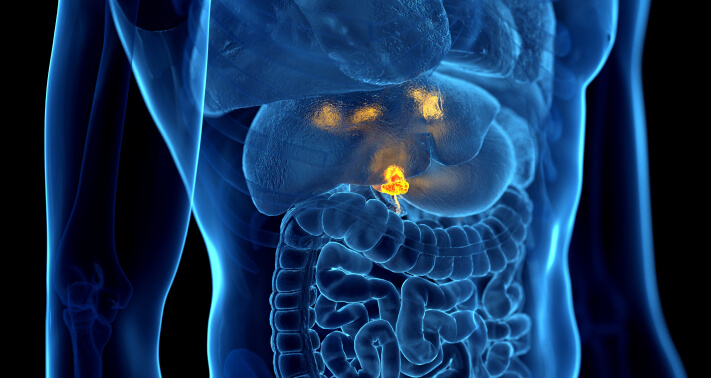
Acute cholecystitis is inflammation of the gallbladder, while cholangitis is an infection and inflammation of the bile ducts. Both conditions are usually caused by blockage of the normal flow of bile and can become serious if treatment is delayed. In many cases, hospital admission and surgery may be required.
These conditions often develop suddenly and can cause severe abdominal pain, fever, nausea, and vomiting. Cholangitis is particularly dangerous because the infection can spread into the bloodstream and lead to life-threatening complications. Early diagnosis and treatment are essential.
If you have developed severe pain under the right ribs, fever, chills, or yellowing of the eyes, it is important to seek medical attention promptly. These symptoms may indicate a serious gallbladder or bile duct problem. If you are experiencing symptoms and would like guidance on the next steps, you can explore Hope Plus to quickly connect with a licensed healthcare provider for assessment and advice.
Key Takeaways
- Acute cholecystitis is inflammation of the gallbladder, while cholangitis affects the bile ducts.
- Gallstones are the most common cause.
- Symptoms include severe right upper abdominal pain, fever, nausea, and vomiting.
- Cholangitis may also cause jaundice.
- Many patients require hospital treatment and surgery.
What Are Acute Cholecystitis and Cholangitis?
The gallbladder stores bile produced by the liver. Bile helps the body digest fats.
When a gallstone blocks the gallbladder duct, bile becomes trapped, leading to inflammation of the gallbladder. This condition is known as acute cholecystitis.
When blockage affects the bile ducts and infection develops, the condition is called cholangitis.
Both conditions require prompt medical attention.
What Causes Acute Cholecystitis and Cholangitis?
Gallstones
The most common cause is blockage of the gallbladder duct or bile ducts by gallstones.
When bile cannot flow normally, inflammation and infection can develop.
Severe Illness or Injury
Acute cholecystitis can sometimes occur after:
- Major trauma
- Severe burns
- Major surgery
This is less common but can be serious.
HIV Infection
People living with HIV may develop a form called acalculous cholecystitis, which occurs without gallstones.
Symptoms of Acute Cholecystitis
Symptoms usually develop suddenly.
Severe Pain Under the Right Ribs
Pain is typically felt in the upper right side of the abdomen.
The pain often:
- Begins suddenly
- Becomes worse with movement
- Worsens during deep breathing
- May spread to the back or right shoulder
Tenderness in the Abdomen
The affected area is usually painful when touched.
Nausea and Vomiting
Many patients feel sick and may vomit repeatedly.
Fever and Chills
A fever of 38°C to 39°C is common and may be accompanied by shivering or chills.
Symptoms of Cholangitis
Cholangitis often causes the symptoms of cholecystitis but may also include:
Jaundice
Yellowing of the eyes and skin occurs when bile flow is blocked.
More Severe Infection
Patients may become seriously unwell and require urgent treatment.
Severity of Acute Cholecystitis
Healthcare providers classify acute cholecystitis according to severity.
Grade I: Mild Acute Cholecystitis
This is the least severe form.
Characteristics include:
- No organ dysfunction
- Inflammation limited to the gallbladder
- Surgery can usually be performed with relatively low risk
Grade II: Moderate Acute Cholecystitis
This involves more extensive inflammation.
Features may include:
- Elevated white blood cell count
- A painful mass in the upper right abdomen
- Symptoms lasting longer than 72 hours
- Significant inflammation visible on imaging scans
Surgery may be more technically challenging in these patients.
Grade III: Severe Acute Cholecystitis
This occurs when the illness affects other organs.
Complications may include:
- Shock
- Kidney dysfunction
- Breathing problems
- Other forms of organ failure
This is a medical emergency requiring urgent specialist care.
Possible Complications
Without treatment, complications may include:
- Gallbladder rupture
- Severe infection
- Bloodstream infection (sepsis)
- Liver complications
- Pancreatitis
- Shock
- Organ failure
Conditions That Can Resemble Acute Cholecystitis
Some illnesses may cause similar symptoms.
These include:
Acute Alcoholic Hepatitis
Inflammation of the liver due to alcohol can cause abdominal pain and fever.
Intestinal Obstruction
Blockage of the intestines may also cause abdominal pain and vomiting.
Healthcare providers use investigations to distinguish between these conditions.
How Are Acute Cholecystitis and Cholangitis Diagnosed?
Abdominal Ultrasound
Ultrasound is usually the first imaging test performed.
It may show:
- Gallstones
- Thickening of the gallbladder wall
- Fluid around the gallbladder
- Signs of bile duct blockage
Blood Tests
Blood tests help identify infection and assess organ function.
These may include:
- Complete blood count
- Liver function tests
- Kidney function tests
- Pancreatic enzyme tests
Patients often have an elevated white blood cell count due to infection or inflammation.
Other Imaging Tests
In some cases, additional scans or specialised procedures may be required.
Treatment of Acute Cholecystitis and Cholangitis
Treatment is usually provided in hospital.
Step 1: Rest the Digestive System
Patients are often advised not to eat or drink temporarily while treatment is being started.
This helps reduce stimulation of the gallbladder and allows healthcare providers to assess the condition.
Step 2: Control Pain
Healthcare providers will provide pain relief to improve comfort and reduce suffering.
Pain medicines may be given by injection during the acute phase.
Step 3: Replace Fluids
Because many patients are unable to eat or drink normally, intravenous fluids may be given.
These fluids help:
- Prevent dehydration
- Maintain blood pressure
- Correct electrolyte imbalances
Step 4: Treat Infection
Antibiotics are commonly given when infection is suspected or confirmed.
Healthcare providers will determine the most appropriate antibiotic regimen based on the patient’s condition.
Step 5: Surgery
Cholecystectomy
For most patients with acute cholecystitis, removal of the gallbladder is recommended after the acute inflammation has been stabilised.
This procedure is called a cholecystectomy.
Removing the gallbladder prevents future attacks and reduces the risk of complications.
Step 6: Urgent Specialist Care for Cholangitis
Patients with cholangitis may require urgent procedures to relieve bile duct obstruction and control infection.
If symptoms do not improve quickly, urgent specialist intervention is often necessary.
Recovery After Gallbladder Surgery
Most patients recover well after gallbladder removal.
Many people return to normal activities within a few weeks.
The body can still digest food normally without a gallbladder, although some patients may notice temporary digestive changes during recovery.
Can Acute Cholecystitis Be Prevented?
The best way to prevent many cases is to reduce the risk of gallstones.
Helpful measures include:
- Maintaining a healthy weight
- Eating a balanced diet
- Exercising regularly
- Managing diabetes effectively
- Seeking treatment for gallstone symptoms before complications develop
When Should You Seek Emergency Medical Care?
Go to a hospital immediately if you develop:
- Severe pain under the right ribs
- Fever with abdominal pain
- Chills or shaking
- Yellowing of the eyes or skin
- Persistent vomiting
- Confusion
- Severe weakness or fainting
These symptoms may indicate a serious infection or blockage requiring urgent treatment.
Frequently Asked Questions (FAQ)
1. What is the difference between cholecystitis and cholangitis?
Cholecystitis is inflammation of the gallbladder, while cholangitis is infection and inflammation of the bile ducts.
2. What usually causes acute cholecystitis?
Gallstones blocking the gallbladder duct are the most common cause.
3. Can acute cholecystitis go away on its own?
Symptoms may temporarily improve, but medical assessment is important because complications can develop.
4. Does cholangitis cause jaundice?
Yes. Yellowing of the eyes and skin is a common feature of cholangitis because bile flow becomes blocked.
5. Is surgery always necessary?
Many patients with acute cholecystitis eventually require gallbladder removal to prevent future attacks and complications.
6. Can people live normally without a gallbladder?
Yes. Most people live healthy, normal lives after gallbladder removal.
7. When should I seek urgent medical care?
Seek immediate medical attention if abdominal pain is accompanied by fever, chills, jaundice, severe vomiting, or worsening illness.