

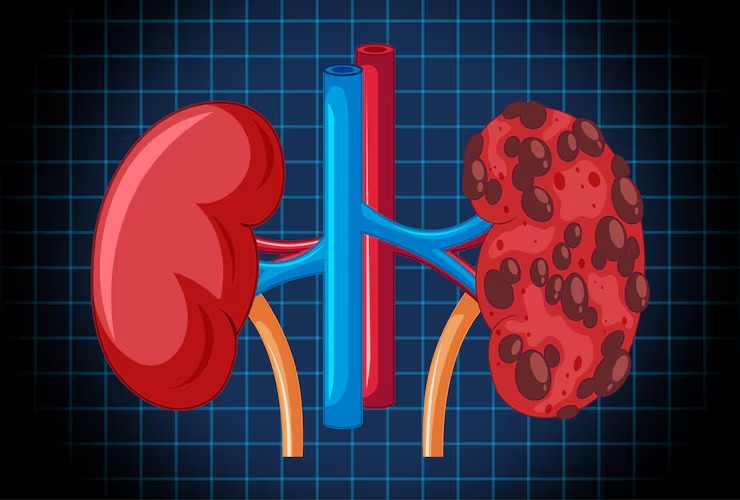
Chronic Kidney Disease (CKD) is a long-term condition in which the kidneys gradually lose their ability to work properly. The kidneys help remove waste products from the blood, regulate body fluids, maintain healthy blood pressure, and keep important minerals balanced. When kidney function declines over months or years, waste products begin to build up in the body, leading to serious health problems.
One of the biggest challenges with chronic kidney disease is that many people have no symptoms in the early stages. By the time symptoms appear, significant kidney damage may already have occurred. Early detection and proper treatment can help slow the progression of the disease and improve quality of life.
If you have diabetes, high blood pressure, HIV, or a family history of kidney disease, regular screening is important. Through Hope Plus, you can connect with a licensed healthcare provider in minutes to discuss your risk factors, review symptoms, understand your test results, and receive guidance on protecting your kidney health.
Key Takeaways
- Chronic kidney disease often develops slowly and may not cause symptoms in its early stages.
- Diabetes and high blood pressure are the leading causes of chronic kidney disease in Uganda.
- Regular screening can detect kidney problems before symptoms appear.
- Good control of blood pressure, blood sugar, and lifestyle factors can help slow kidney damage.
- Avoiding medicines that can harm the kidneys is an important part of treatment.
What Is Chronic Kidney Disease?
Chronic Kidney Disease is a condition where the kidneys become permanently damaged and gradually lose their ability to filter waste products from the blood.
The disease usually develops slowly over months or years. In the early stages, the kidneys may still perform most of their functions, which is why many people feel completely well.
As kidney function declines, waste products and excess fluid begin to accumulate in the body, leading to symptoms and complications.
Causes and Risk Factors for Chronic Kidney Disease in Uganda
Several conditions increase the risk of developing chronic kidney disease.
Diabetes Mellitus
High blood sugar can damage the tiny blood vessels inside the kidneys over time. Diabetes is one of the leading causes of kidney disease worldwide and in Uganda.
High Blood Pressure
Uncontrolled high blood pressure places extra strain on the kidneys and can gradually damage kidney tissue.
Cardiovascular Disease
Conditions affecting the heart and blood vessels can reduce kidney function and increase the risk of CKD.
Age Above 50 Years
Kidney function naturally declines with age, making older adults more vulnerable to chronic kidney disease.
Kidney Stones
Repeated or untreated kidney stones can damage the kidneys and increase the risk of long-term kidney problems.
Certain Medicines
Frequent or long-term use of some painkillers can damage the kidneys.
Examples include:
- Diclofenac
- Ibuprofen
- Other non-steroidal anti-inflammatory drugs (NSAIDs)
Family History of Kidney Disease
Some kidney diseases run in families. People with close relatives who have kidney disease may have a higher risk.
HIV Infection
HIV can directly affect the kidneys or increase the risk of kidney damage through associated illnesses and treatments.
Symptoms of Chronic Kidney Disease
Many people with chronic kidney disease do not notice symptoms until the condition becomes advanced.
When symptoms develop, they may include:
Tiredness and Weakness
Reduced kidney function can lead to anaemia, causing:
- Fatigue
- Weakness
- Reduced energy levels
- Difficulty performing daily activities
Loss of Appetite
Patients may notice:
- Reduced appetite
- Nausea
- Vomiting
- Unexplained weight loss
Swelling of the Body
Damaged kidneys may struggle to remove excess fluid, leading to swelling of:
- Feet
- Ankles
- Legs
- Hands
- Face
Itchy Skin
Waste products building up in the blood can cause persistent itching.
Bone Pain
Long-term kidney disease can affect calcium and mineral balance, leading to bone and joint discomfort.
Pain in the Lower Back or Side
Some patients experience pain around the kidney area, although many people with CKD have no pain.
How Chronic Kidney Disease Is Diagnosed
Healthcare providers use several tests to assess kidney function and identify the cause of kidney damage.
Blood Tests
Blood tests help measure kidney function.
These may include:
- Creatinine
- Urea
- Electrolytes
Urine Tests
Urine testing helps identify signs of kidney damage.
Healthcare providers check for:
- Protein in the urine
- Blood in the urine
Kidney Ultrasound Scan
An ultrasound can assess the size, structure, and condition of the kidneys.
Screening for Chronic Kidney Disease
Screening is especially important for people who have risk factors.
Who Should Be Screened?
Regular screening is recommended for people with:
- Diabetes
- High blood pressure
- HIV
- Heart disease
- A family history of kidney disease
- Age above 50 years
How Often Should Screening Be Done?
High-risk individuals should have:
- Blood pressure checks at least once a year
- Urine tests for protein and blood at least once a year
Additional Screening for People with Diabetes
People living with diabetes may require:
- Urine microalbumin testing where available
- Urine protein-to-creatinine ratio testing
Abnormal results should be followed by blood tests to assess kidney function.
Goals of Treatment
Treatment focuses on several important goals:
- Identifying and treating any reversible causes
- Managing underlying medical conditions
- Slowing the progression of kidney damage
- Preventing complications
- Preparing for advanced treatment if kidney function continues to decline
Management of Chronic Kidney Disease
Step 1: Lifestyle Changes to Protect Kidney Function
Healthy lifestyle habits can slow kidney damage and improve overall health.
Healthcare providers commonly recommend:
- Maintaining a healthy weight
- Regular physical activity
- Stopping smoking
- Eating a balanced diet
- Reducing salt intake
- Controlling cholesterol levels
Step 2: Control Blood Pressure
Blood pressure control is one of the most effective ways to slow kidney disease progression.
Healthcare providers may:
- Monitor blood pressure regularly
- Recommend a low-salt diet
- Prescribe medicines known as ACE inhibitors
These medicines are particularly beneficial for patients with diabetes or protein in the urine.
Because ACE inhibitors can affect kidney function, treatment is usually started carefully with regular monitoring.
Step 3: Control Blood Sugar
For people with diabetes, maintaining good blood sugar control is essential.
Good diabetes management can significantly reduce further kidney damage.
Healthcare providers may:
- Monitor blood sugar levels regularly
- Adjust diabetes medications when necessary
- Provide dietary guidance
Step 4: Reduce Protein Loss in Urine
Protein leaking into the urine is a sign of kidney damage.
Healthcare providers may use medicines such as:
- ACE inhibitors
- Angiotensin receptor blockers (ARBs)
These medicines help reduce protein loss and protect kidney function.
Step 5: Avoid Medicines That Can Harm the Kidneys
Certain medicines can worsen kidney damage.
Patients with CKD should avoid taking medicines without medical advice, especially:
- Ibuprofen
- Diclofenac
- Other NSAID painkillers
Healthcare providers may also adjust doses of many medicines because damaged kidneys cannot remove them effectively.
Prevention of Complications
Treating Anaemia
Anaemia is common in people with chronic kidney disease.
Treatment may include:
- Iron supplements
- Folic acid supplements
- Monitoring haemoglobin levels
Managing Bone and Mineral Problems
Kidney disease can affect calcium and bone health.
Healthcare providers may recommend:
- Calcium supplements
- Dietary changes
- Additional treatments depending on blood test results
Managing Fluid Retention
When excess fluid builds up in the body, medicines such as furosemide may be prescribed to help remove excess water.
Healthcare providers carefully monitor the response to treatment.
Advanced Kidney Disease and Dialysis
When kidney function becomes severely reduced, dialysis may be necessary.
Dialysis is a treatment that removes waste products and excess fluid from the blood when the kidneys can no longer perform these functions adequately.
Access to dialysis services in Uganda remains limited and treatment can be expensive, which makes early detection and prevention especially important.
When Should You See a Kidney Specialist?
Referral to a specialist is often recommended for:
- Children with kidney disease
- Persistent protein in the urine lasting more than three months
- Persistent blood in the urine lasting more than three months
- Significantly reduced kidney function
- Strong family history of inherited kidney diseases
- Suspected polycystic kidney disease
Prevention of Chronic Kidney Disease
Many cases of chronic kidney disease can be prevented or delayed through early intervention.
Important preventive measures include:
- Regular screening for high-risk individuals
- Early treatment of diabetes and high blood pressure
- Maintaining a healthy lifestyle
- Avoiding smoking
- Limiting salt intake
- Avoiding medicines that can damage the kidneys
- Following healthcare providers’ treatment plans
Important Information About Medicines in Kidney Disease
People with chronic kidney disease should be cautious when using medicines because many drugs are removed from the body through the kidneys.
Healthcare providers may reduce doses or choose alternative treatments to prevent harmful drug accumulation.
Some medicines may need to be avoided completely in advanced kidney disease. For this reason, always inform healthcare providers if you have kidney disease before receiving any medication.
Frequently Asked Questions (FAQs)
Can chronic kidney disease be cured?
In most cases, chronic kidney disease cannot be completely reversed. However, treatment can slow progression and help preserve kidney function for many years.
What are the early warning signs of chronic kidney disease?
Many people have no symptoms in the early stages. This is why regular screening is important for people at risk.
Can high blood pressure damage the kidneys?
Yes. Uncontrolled high blood pressure is one of the leading causes of chronic kidney disease.
Is chronic kidney disease common among people with diabetes?
Yes. Diabetes is one of the most common causes of kidney disease and regular screening is strongly recommended.
Can painkillers damage the kidneys?
Yes. Frequent or long-term use of certain painkillers, especially NSAIDs such as ibuprofen and diclofenac, can contribute to kidney damage.
When is dialysis needed?
Dialysis may be required when the kidneys can no longer remove enough waste products and excess fluid to keep the body healthy.
Can chronic kidney disease be prevented?
Many cases can be prevented or delayed through regular screening, good blood pressure control, proper diabetes management, healthy lifestyle choices, and avoiding medicines that harm the kidneys.