

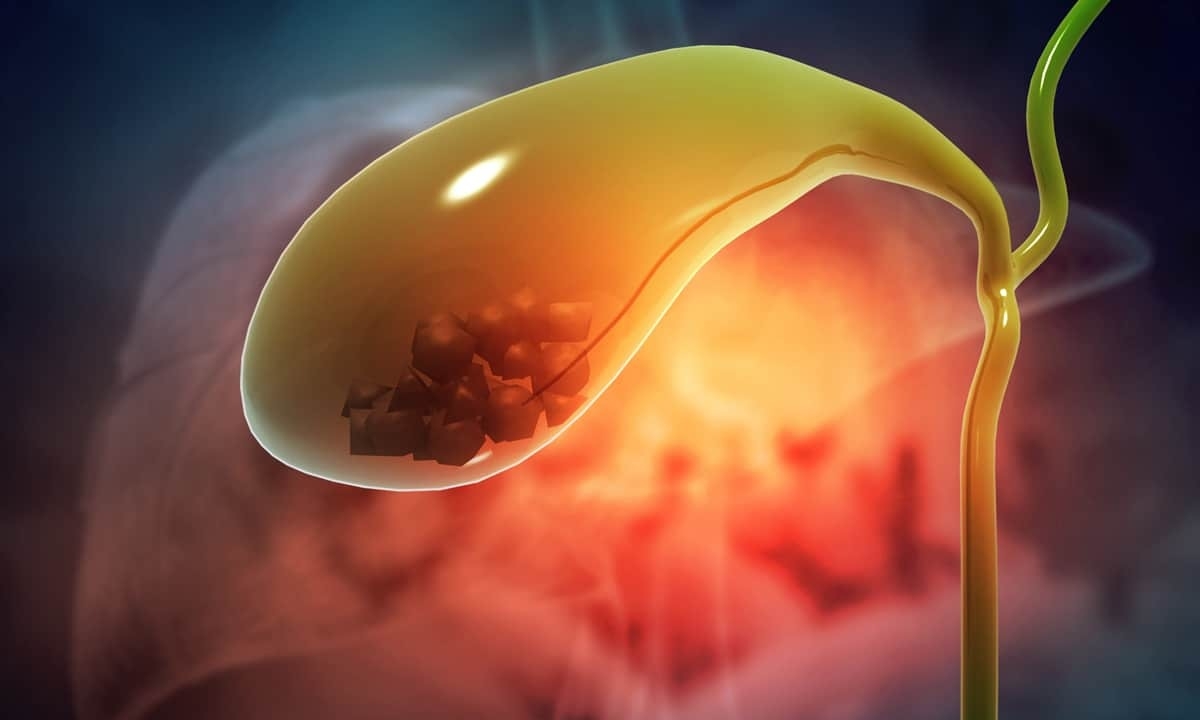
Gallstones are small, hard deposits that form inside the gallbladder or the bile ducts. The gallbladder is a small organ located beneath the liver that stores bile, a fluid that helps digest fats. Many people with gallstones never develop symptoms and may only discover they have them during an ultrasound scan performed for another reason.
However, gallstones can sometimes block the flow of bile and cause sudden episodes of severe pain known as biliary colic. In some cases, they can lead to serious complications such as gallbladder infection, bile duct infection, or pancreatitis. Understanding the symptoms and knowing when to seek medical care can help prevent complications.
If you have experienced sudden pain in the upper abdomen, especially after eating a fatty meal, it may be worth getting checked. Gallstones are common and can often be managed effectively. If you are worried about symptoms that may be related to gallstones, you can explore Hope Plus to quickly connect with a licensed healthcare provider for assessment, advice, and guidance on the next steps.
Key Takeaways
- Gallstones are hard deposits that form in the gallbladder or bile ducts.
- Many people have gallstones without any symptoms.
- Biliary colic causes sudden severe pain, often after eating fatty foods.
- Fever or jaundice are not usually present during uncomplicated biliary colic.
- Symptomatic gallstones may require surgery to prevent future attacks and complications.
What Are Gallstones?
Gallstones are hardened deposits that develop when substances in bile, such as cholesterol or pigments, form crystals and gradually grow into stones.
These stones can remain inside the gallbladder without causing any problems. However, if a stone temporarily blocks a bile duct, it can trigger intense pain known as biliary colic.
What Causes Gallstones?
Gallstones form when the balance of substances in bile changes, allowing crystals to develop.
The exact reason varies from person to person, but several factors increase the risk.
Risk Factors for Gallstones
Increasing Age
The risk of gallstones increases with age.
Female Sex
Women are more likely to develop gallstones than men.
Family History
Having close relatives with gallstones may increase the risk.
Obesity
Excess body weight increases the likelihood of gallstone formation.
Diabetes
People with diabetes have a higher risk of developing gallstones.
High Cholesterol Levels
Abnormal blood fat levels may contribute to gallstone formation.
Oral Contraceptive Use
Certain hormonal contraceptives may increase the risk in some women.
What Is Biliary Colic?
Biliary colic is the pain that occurs when a gallstone temporarily blocks a bile duct.
Although the pain can be extremely severe, the blockage is usually temporary and eventually resolves when the stone moves away.
Symptoms of Biliary Colic
Sudden Severe Abdominal Pain
The most common symptom is intense pain in the upper abdomen.
The pain is usually felt:
- In the upper middle part of the abdomen (epigastrium)
- Under the right ribs (right upper abdomen)
Pain After Fatty Meals
Symptoms often occur after eating foods that are high in fat because the gallbladder contracts to release bile.
Pain Lasting Minutes to Hours
An attack may last from a few minutes to several hours before gradually improving.
Episodes May Come and Go
Some people experience attacks only occasionally, while others have repeated episodes.
No Fever or Jaundice
Simple biliary colic does not usually cause:
- Fever
- Yellowing of the eyes or skin (jaundice)
The presence of these symptoms may suggest a complication that requires urgent medical attention.
Can Gallstones Cause Complications?
Yes. Although many gallstones never cause problems, some can lead to serious complications.
Acute Cholecystitis
This is inflammation and infection of the gallbladder.
Symptoms may include:
- Persistent abdominal pain
- Fever
- Nausea and vomiting
- Tenderness over the gallbladder
Cholangitis
Cholangitis is an infection of the bile ducts caused by blockage of bile flow.
Symptoms may include:
- Fever
- Jaundice
- Abdominal pain
This condition requires urgent medical treatment.
Pancreatitis
A gallstone can sometimes block the pancreatic duct and trigger inflammation of the pancreas.
Symptoms may include:
- Severe abdominal pain
- Vomiting
- Fever
- Serious illness requiring hospital care
Conditions That Can Mimic Gallstones
Not all upper abdominal pain is caused by gallstones.
One important condition that may produce similar symptoms is:
Peptic Ulcer Disease
Ulcers affecting the stomach or upper intestine can cause abdominal pain that resembles biliary colic.
Healthcare providers may need investigations to distinguish between these conditions.
How Are Gallstones Diagnosed?
Abdominal Ultrasound Scan
An abdominal ultrasound is the most common test used to diagnose gallstones.
It is painless, widely available, and can usually identify stones within the gallbladder.
Liver Function Tests
Blood tests may be performed to check for evidence of bile duct blockage or liver involvement.
Treatment of Gallstones
Treatment depends on whether symptoms are present.
Asymptomatic Gallstones
Many people discover gallstones by chance during an ultrasound scan.
If gallstones are not causing symptoms, treatment is usually not required.
Healthcare providers may simply advise monitoring and seeking review if symptoms develop.
Treatment of Biliary Colic
When a painful attack occurs, treatment focuses on relieving pain and preventing future episodes.
Pain Relief
Healthcare providers may administer medicines to reduce pain and inflammation.
In some cases, injectable pain medicines may be used during an acute attack.
Lifestyle Changes
After an episode of biliary colic, healthcare providers often recommend:
- A low-fat diet
- Gradual weight management if overweight
- Avoiding foods that repeatedly trigger symptoms
These measures may reduce future attacks but do not remove existing gallstones.
Surgery to Remove the Gallbladder
Patients with symptomatic gallstones are often referred for surgery after the acute episode settles.
This operation is called a cholecystectomy.
During the procedure, the gallbladder is removed to prevent future attacks and reduce the risk of complications.
People can usually live normal lives without a gallbladder.
Can Gallstones Be Prevented?
Not all gallstones can be prevented, but the risk may be reduced by:
- Maintaining a healthy weight
- Eating a balanced diet
- Exercising regularly
- Managing diabetes effectively
- Avoiding rapid weight loss programmes
When Should You Seek Urgent Medical Care?
Seek immediate medical attention if you have gallstones or abdominal pain and develop:
- Fever
- Yellowing of the eyes or skin
- Severe or persistent abdominal pain
- Repeated vomiting
- Confusion or severe weakness
These symptoms may indicate a serious complication requiring urgent treatment.
Frequently Asked Questions (FAQ)
1. What are gallstones?
Gallstones are small, hard deposits that form in the gallbladder or bile ducts.
2. Can gallstones exist without symptoms?
Yes. Many people have gallstones and never experience any symptoms.
3. What does biliary colic feel like?
It usually causes sudden, severe pain in the upper abdomen or under the right ribs, often after eating fatty foods.
4. Does biliary colic cause fever?
No. Fever is not usually present in uncomplicated biliary colic. Fever may suggest infection or another complication.
5. How are gallstones diagnosed?
Gallstones are most commonly diagnosed using an abdominal ultrasound scan.
6. Do all gallstones require surgery?
No. Gallstones that cause no symptoms often do not require treatment. Surgery is more commonly recommended when symptoms or complications occur.
7. Can gallstones come back after gallbladder removal?
Once the gallbladder is removed, gallstones in the gallbladder cannot return. Most patients experience long-term relief from biliary colic after surgery.