

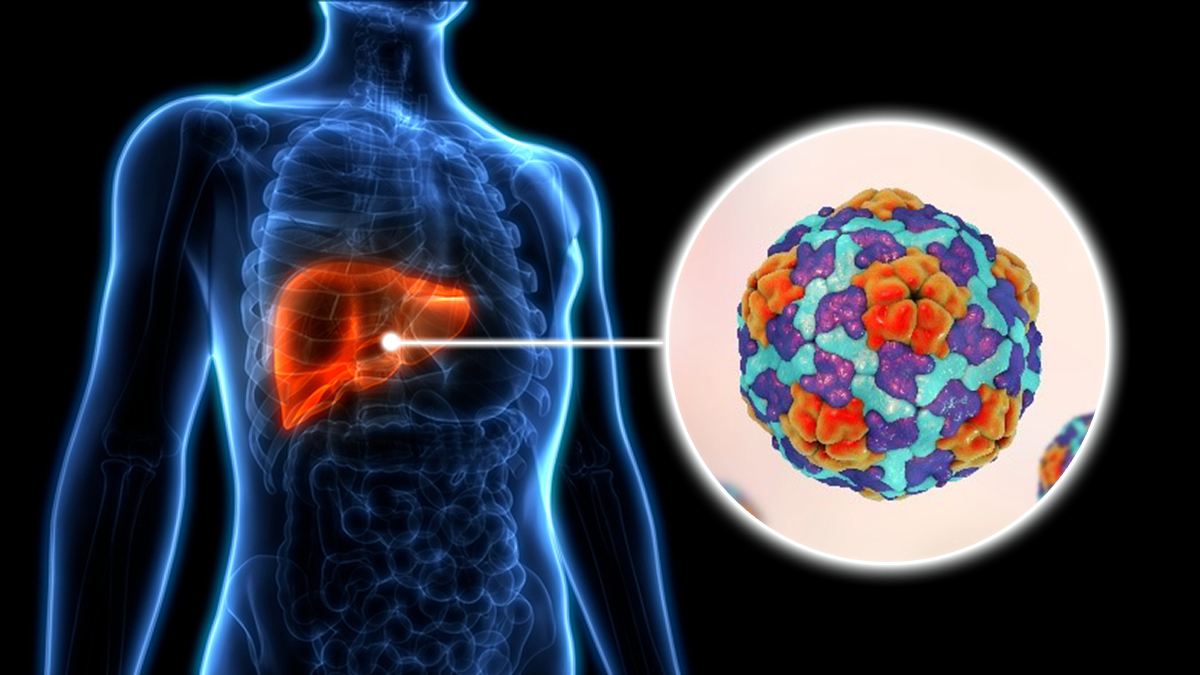
Viral hepatitis is an illness that causes inflammation (swelling and damage) of the liver, a vital organ that helps clean the blood, store energy, and digest food. It is caused by a group of viruses called the hepatitis viruses (A, B, C, D, and E). Some types cause only short-term illness, while others can stay in the body for life and lead to long-term liver damage.
In Uganda, viral hepatitis is a major public health concern because it can spread easily through contaminated food, blood, or unprotected sex. If not diagnosed and treated early, it may cause serious complications like liver failure, cirrhosis, or liver cancer.
If you think you may have hepatitis, early testing and medical care can make a big difference in recovery and preventing spread.
With Hope Plus, you can quickly connect with a licensed healthcare provider for a confidential consultation within minutes. Whether you need help understanding your test results, advice on vaccination, or guidance on treatment and prevention, Hope Plus makes it easy to access trusted care wherever you are in Uganda.
Key Takeaways
- Viral hepatitis is an infection that causes liver inflammation.
- It is spread mainly through contaminated food, blood, or sexual contact.
- Types B and C can become long-term (chronic) and may lead to liver damage if untreated.
- Vaccines exist for hepatitis A and B, but not for C, D, or E.
- Early diagnosis and proper medical follow-up are important to prevent complications.
Causes of Viral Hepatitis
There are five main types of hepatitis viruses that affect humans, each with different ways of spreading:
Hepatitis A and E
These types usually spread through food or water contaminated with faeces. This means a person can get infected by eating food or drinking water that has been handled by someone with poor hygiene. Outbreaks often happen where sanitation and clean water are limited.
They cause acute (short-term) infection and rarely become chronic.
Hepatitis B
Hepatitis B spreads through infected blood, sexual contact, and from mother to baby during birth. It can also spread through sharing sharp objects like razors, needles, or unsafe medical procedures.
Some people recover completely, while others become chronic carriers, meaning the virus stays in their liver for life and may cause long-term liver damage.
Hepatitis C
This type is mainly spread through contact with infected blood, such as through blood transfusions (especially in the past, before proper screening), sharing needles, or unsafe injections.
Sexual and mother-to-child transmission can happen but are less common. Hepatitis C often leads to chronic infection that may not show symptoms for many years.
Hepatitis D
This virus only affects people who already have hepatitis B. It spreads through infected blood and sexual contact, and possibly from mother to child. Having both hepatitis B and D can make the illness more severe.
Symptoms of Viral Hepatitis
Symptoms may appear a few weeks after infection and can vary from mild to severe. Common signs include:
- Feeling very tired or weak
- Loss of appetite
- Nausea and vomiting
- Yellowing of the eyes and skin (jaundice)
- Dark urine and pale stool
- Pain or discomfort in the upper right side of the abdomen
- Fever (especially with hepatitis A and E)
Sometimes, people have no symptoms at all, especially in the early stages. This is why regular testing is important, especially if you may have been exposed.
Treatment and Management
The treatment depends on the type of hepatitis:
- Hepatitis A and E: These usually get better on their own. Patients are advised to rest, eat a healthy diet, and stay hydrated. Healthcare providers will monitor for signs of complications.
- Hepatitis B and C: These may require antiviral medicines that help control the virus and prevent liver damage. The doctor may order blood tests and liver function tests to track progress.
- Hepatitis D: Treatment focuses on managing hepatitis B and reducing complications.
- Patients with severe infection may be admitted to hospital for supportive care and close monitoring.
Regular check-ups are important for anyone diagnosed with hepatitis, especially types B and C, to prevent liver complications.
Prevention of Viral Hepatitis
- Get vaccinated: Vaccines are available for hepatitis A and B.
- Avoid sharing needles, razors, or toothbrushes.
- Use condoms during sexual activity to reduce risk of infection.
- Make sure blood for transfusion is screened.
- Wash hands with soap and safe water, and eat clean, well-cooked food to prevent hepatitis A and E.
- Pregnant women should get tested so that mother-to-child transmission can be prevented.
Frequently Asked Questions (FAQ)
1. Can hepatitis be cured?
Hepatitis A and E usually go away on their own. Hepatitis B and C can be controlled, and in many cases, hepatitis C can be completely cured with proper treatment.
2. How do I know if I have hepatitis?
A blood test is the only sure way to know. Some people have no symptoms until the liver is already damaged.
3. Is there a vaccine for all types of hepatitis?
No. Vaccines exist for hepatitis A and B, but not for C, D, or E.
4. Can a mother pass hepatitis to her baby?
Yes, especially with hepatitis B. However, this can be prevented if the baby is given the hepatitis B vaccine soon after birth.
5. What foods should I eat if I have hepatitis?
Eat light, balanced meals with fruits, vegetables, and plenty of fluids. Avoid alcohol and fatty foods, as they can strain the liver.
6. Can hepatitis come back after recovery?
Hepatitis A and E do not usually come back. But hepatitis B and C can stay in the body long-term if not fully treated.
7. Is it safe to live with someone who has hepatitis?
Yes. It does not spread through casual contact like hugging or sharing utensils. Just avoid contact with their blood and practise good hygiene.