

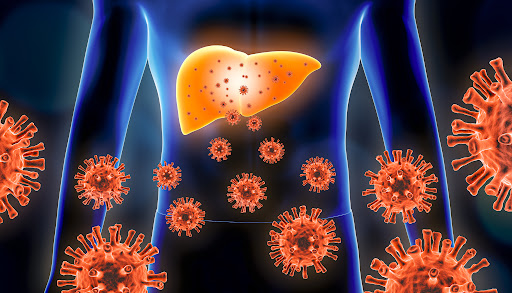
Acute hepatitis is a sudden inflammation (swelling) of the liver that happens when the liver cells are attacked and damaged, usually by hepatitis viruses such as A, B, C, D, or E. The liver plays a vital role in cleaning your blood and processing nutrients, so when it becomes inflamed, the whole body is affected.
Acute hepatitis can range from mild illness that lasts a few weeks to severe cases that cause liver failure. It is especially dangerous for pregnant women (particularly with hepatitis E) and for people with hepatitis B who also have hepatitis D infection.
With Hope Plus, you can talk with a licensed healthcare provider in minutes for advice about hepatitis testing, symptoms, or vaccination. Hope Plus helps you understand your liver test results, get treatment recommendations, and receive professional guidance—whether you’re at home, school, or work.
Key Takeaways
- Acute hepatitis causes sudden inflammation of the liver.
- It may be mild or severe, and in some cases, life-threatening.
- Common symptoms include fever, fatigue, nausea, jaundice (yellow eyes and skin), and dark urine.
- Pregnant women and people with both hepatitis B and D are at higher risk of severe illness.
- Early medical care and avoiding certain drugs can help the liver heal.
Symptoms of Acute Hepatitis
Some people with acute hepatitis may have no symptoms at all, especially in the early stages. When symptoms do appear, they may include:
- Fever and tiredness
- Loss of appetite and nausea
- Abdominal pain or discomfort, especially on the right upper side of the stomach (where the liver is located)
- Diarrhoea
- Yellowing of the eyes and skin (jaundice)
- Dark-coloured urine
- Pale or clay-coloured stool
Fulminant (Severe) Hepatitis
In rare cases, the liver can suddenly fail due to massive damage. This condition is called fulminant hepatitis and is often fatal if not treated urgently. It is more common in:
- People with hepatitis B who also get hepatitis D
- Pregnant women infected with hepatitis E, especially in the last three months of pregnancy
Such patients require urgent hospital care for liver support and monitoring.
What Else Could It Be? (Differential Diagnosis)
Other conditions may cause similar symptoms. Healthcare providers may check for:
- Drug- or herb-related liver injury
- Autoimmune liver disease or liver tumours
- Gastroenteritis or pancreatitis
- Malaria, leptospirosis, yellow fever
- Haemorrhagic fevers like Marburg or Ebola
Tests and Diagnosis
To confirm hepatitis and rule out other causes, healthcare workers may carry out:
- Complete blood count (CBC) to check for infection or anaemia
- Malaria test (RDT or blood slide)
- Liver function tests (LFTs) to assess liver health
- Viral tests to detect hepatitis B or C
- HIV testing, as co-infection may affect treatment
Treatment and Management
For most people with acute hepatitis, treatment focuses on supporting the body while the liver heals itself.
Supportive Care
- Rest and hydration: Patients are advised to rest and drink plenty of fluids.
- Diet: Eat foods rich in carbohydrates, vitamins, and vegetable proteins. Avoid animal proteins and very fatty meals, which can strain the liver.
- Avoid all unnecessary medicines: Many drugs can worsen liver damage. The healthcare provider will decide which medicines are safe if any are needed.
- Hospital referral: If signs of liver failure appear (such as confusion, swelling, or severe vomiting), the patient is referred to a higher-level hospital for specialised care.
Caution
- Avoid drugs that can harm the liver, especially sedatives or painkillers unless prescribed by a doctor.
- Healthcare workers practise infection control measures, such as good hand hygiene and using gloves.
- Isolation is not required unless the patient is suspected to have a viral haemorrhagic fever like Ebola or Marburg.
Prevention of Acute Hepatitis
You can reduce your risk of getting hepatitis through the following measures:
- Good hygiene and sanitation: Wash hands with soap and safe water after using the toilet and before eating.
- Vaccination: All children, healthcare workers, household contacts of people with chronic hepatitis B, and people at higher risk (like sex workers) should be vaccinated against hepatitis B.
- Safe blood transfusion: Only receive blood that has been properly screened.
- Infection control in health facilities: Medical staff should always use sterile equipment and safe injection practices.
- Screening during pregnancy: Pregnant women should be tested for hepatitis to protect their babies.
- Safe sexual practices: Always use condoms to reduce the risk of hepatitis B and C infection.
Frequently Asked Questions (FAQ)
1. What is the difference between acute and chronic hepatitis?
Acute hepatitis happens suddenly and lasts a short time, while chronic hepatitis stays in the body for months or years, slowly damaging the liver.
2. Can acute hepatitis be treated at home?
Mild cases can improve with rest, hydration, and a good diet, but it is important to be checked by a healthcare provider to make sure the liver is not failing.
3. What foods are best for recovery?
Eat light meals rich in fruits, vegetables, and carbohydrates. Drink enough water and avoid alcohol and fried or fatty foods.
4. Can I take herbal medicine for hepatitis?
No. Many herbs can harm the liver and make the illness worse. Always seek advice from a qualified healthcare provider.
5. How long does it take to recover from acute hepatitis?
Most people recover within a few weeks to months, depending on the cause and their overall health.
6. Can I pass hepatitis to my family?
It depends on the type. Hepatitis A and E spread through contaminated food or water, while hepatitis B, C, and D spread through blood or sexual contact. Practising hygiene and safe sex can protect your loved ones.
7. Is vaccination really necessary if I feel healthy?
Yes. The vaccine protects you before you are exposed to the virus. Prevention is much easier than treatment.