

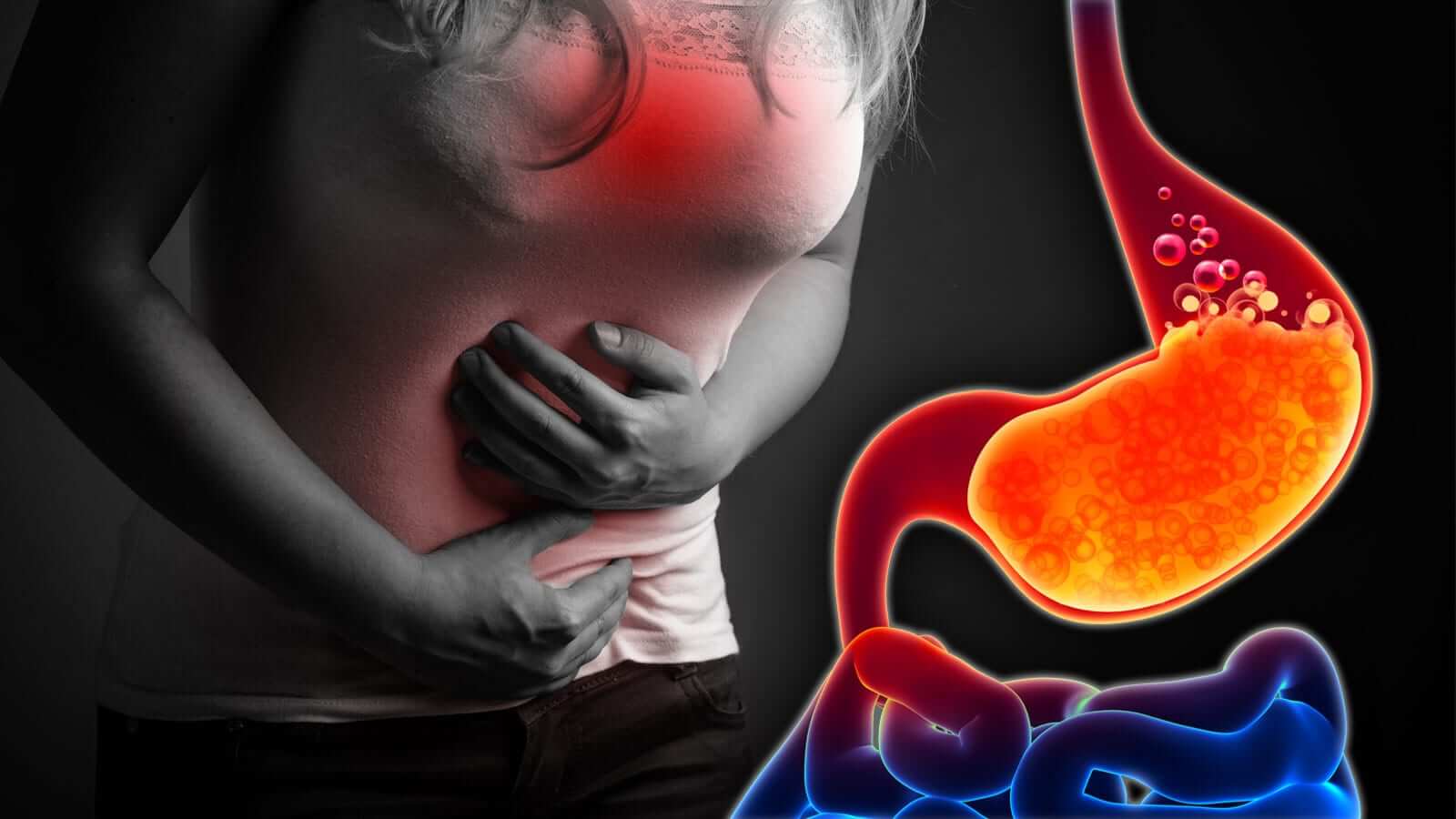
Peptic ulcer disease (PUD) occurs when sores form in the lining of the stomach or the first part of the small intestine (duodenum). These ulcers can be long-lasting and often come back if not treated properly. In Uganda, recognising PUD early is important to prevent serious complications like bleeding or a perforated stomach.
Hope Plus can support patients with recurring stomach pain or suspected ulcers by connecting them with a licensed healthcare provider in minutes. Through a quick consultation, you can get advice on diet, medicines, and tests such as stool antigen or endoscopy to manage PUD safely. Learn more at Hope Plus.
Key Takeaways
- PUD is a sore in the stomach or duodenum caused by infection, excess acid, or irritants like NSAIDs.
- Helicobacter pylori infection and high stomach acidity are common causes.
- Symptoms include upper stomach pain, nausea, vomiting, and sometimes bleeding.
- Severe complications include vomiting blood, black stools, acute abdominal pain, or shock.
- Treatment includes medicines to reduce acid, eradicate H. pylori, and prevent complications.
Causes of Peptic Ulcer Disease
- Infections: Helicobacter pylori bacteria.
- Excess stomach acid: Caused by stress, irregular meals, alcohol, smoking, caffeine, or certain drugs (NSAIDs and corticosteroids).
Symptoms Patients May Notice
General Symptoms
- Duodenal ulcer: Pain in the upper stomach, often worse at night or when hungry; usually relieved by food, milk, or antacids.
- Gastric ulcer: Pain worsens with food intake.
- Nausea, vomiting, regurgitation.
- Tenderness when pressing the upper abdomen.
Bleeding Ulcer Symptoms
- Vomiting blood or “coffee-brown” vomitus.
- Black stools (melena).
- Sudden weakness, dizziness, or cold, clammy skin if a lot of blood is lost.
Perforated Ulcer Symptoms (Medical Emergency)
- Sudden, severe abdominal pain.
- Rigid or hard abdomen.
- Vomiting blood or coffee-brown vomitus.
- Fever, low blood pressure, weak pulse, or shock.
Diagnosis
Healthcare providers may:
- Test for H. pylori using a stool antigen test (note: antibiotics or omeprazole can affect results if taken in the past 2 weeks).
- Perform gastroscopy and possibly take a biopsy.
- Use a barium meal X-ray in some cases.
Treatment and Management
Lifestyle and Diet
- Avoid foods and drinks that worsen symptoms, such as spicy foods, alcohol, and caffeine.
- Increase milk intake if tolerated.
- Eat small, regular meals.
Medicines
For Symptom Relief
- Antacids: Magnesium trisilicate compounds, 2 tablets every 8 hours as needed.
To Eradicate H. pylori (Triple Therapy)
- First-line combination:
- Amoxycillin 1 g every 12 hours
- Metronidazole 400 mg every 12 hours (or Tinidazole 500 mg every 12 hours as alternative)
- Omeprazole 20 mg every 12 hours
- Duration: 2 weeks
- Follow-up: Repeat stool antigen test 4 weeks after treatment to confirm eradication.
For Bleeding or Perforated Ulcers
- Immediate hospital referral.
- IV fluids and blood transfusion if needed.
- IV ranitidine 50 mg in 20 ml slowly every 8 hours.
Important Notes
- Confirm H. pylori eradication with a stool antigen test a month after treatment.
- Untreated ulcers can lead to serious complications, so prompt evaluation and treatment are crucial.
Frequently Asked Questions
1. What causes peptic ulcers?
Most commonly, H. pylori infection and excess stomach acid, often worsened by stress, irregular meals, NSAIDs, alcohol, or smoking.
2. Can peptic ulcers be cured?
Yes. With proper medicines to eradicate H. pylori and reduce stomach acid, ulcers usually heal, but lifestyle changes are also important.
3. What foods should I avoid?
Spicy foods, alcohol, caffeine, and very fatty meals can worsen ulcers.
4. How do I know if my ulcer is bleeding?
Vomiting blood or seeing black stools are warning signs of bleeding ulcers and require immediate medical attention.
5. What is a perforated ulcer?
It is a hole in the stomach or duodenum lining, causing severe pain and possibly shock. This is a medical emergency.
6. Can I use Hope Plus for PUD?
Yes. Hope Plus connects you with licensed healthcare providers who can evaluate symptoms, advise on medicines, and refer you for tests or hospital care if needed.
7. How do I prevent ulcers from coming back?
Avoid NSAIDs when possible, limit alcohol and smoking, eat regular meals, and follow treatment for H. pylori if diagnosed.