

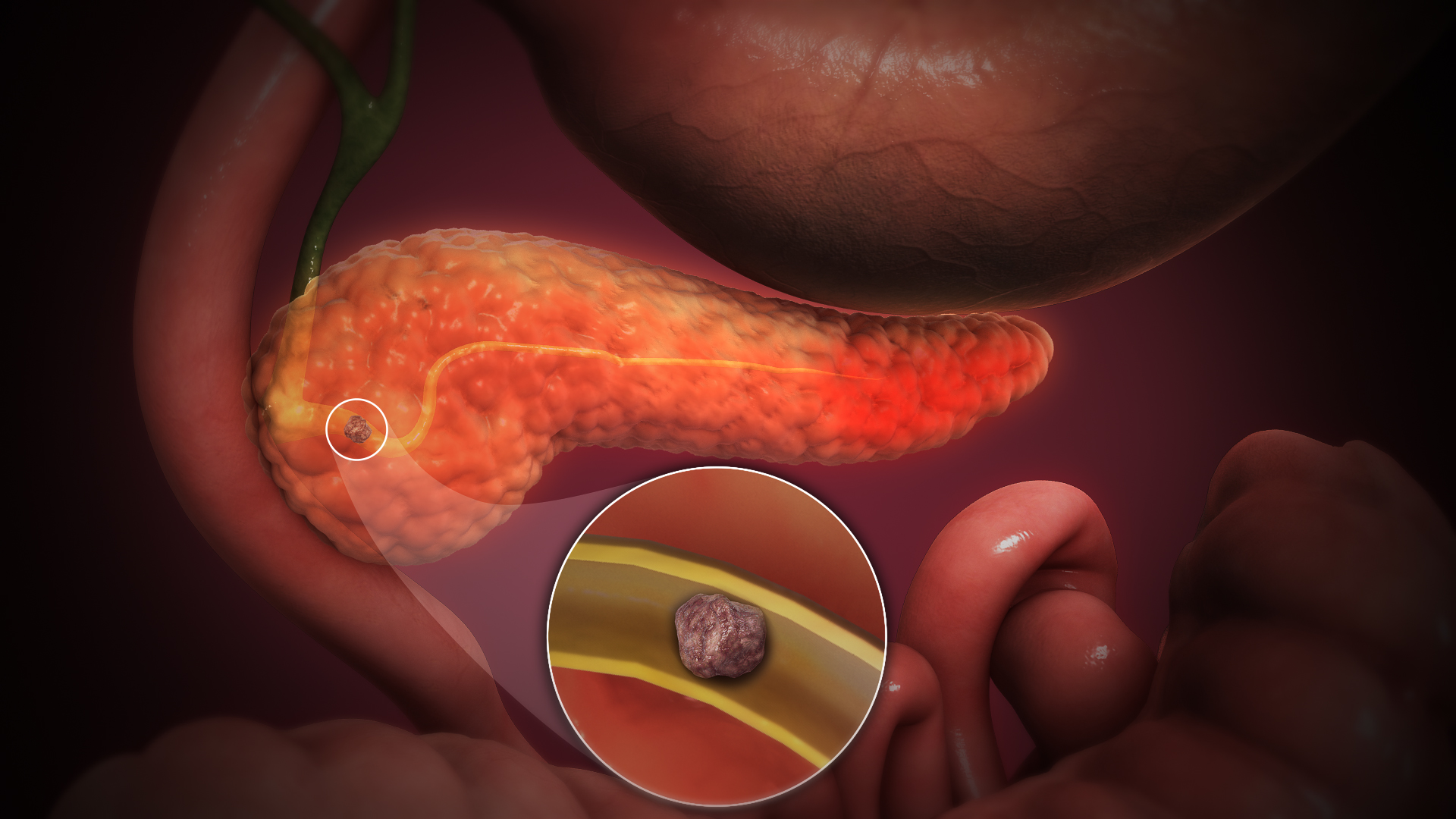
Chronic pancreatitis is a long-term disease of the pancreas, where repeated inflammation causes permanent damage. Over time, healthy pancreatic tissue is replaced with scar tissue, the ducts can become blocked, and the pancreas loses its ability to function properly. In Uganda, recognising chronic pancreatitis is important because it can lead to serious problems such as malnutrition, diabetes, and even an increased risk of pancreatic cancer.
Hope Plus can help patients experiencing persistent upper abdominal pain, digestive problems, or weight loss by connecting them to a licensed healthcare provider in minutes. Through a consultation, you can discuss symptoms, receive guidance on pain management, and get referred to specialists for further tests or treatment. Learn more at Hope Plus.
Key Takeaways
- Chronic pancreatitis is long-term inflammation of the pancreas that causes permanent damage.
- Common causes include alcohol use, tobacco, high blood calcium or fat, recurrent acute pancreatitis, genetic or autoimmune conditions, and sometimes pancreatic cancer.
- Symptoms include chronic upper abdominal pain, diarrhoea, weight loss, and diabetes.
- Complications can include pancreatic cysts, duct blockages, bile duct compression, malnutrition, and increased risk of pancreatic cancer.
- Management requires specialist care, pain control, and lifestyle adjustments.
Causes of Chronic Pancreatitis
- Toxic/metabolic: Alcohol, tobacco, high calcium, high blood fat levels, chronic kidney disease.
- Idiopathic (unknown cause): Sometimes seen in tropical regions.
- Genetic or autoimmune conditions.
- Recurrent or severe acute pancreatitis.
- Obstruction or anatomical problems: Tumours or structural abnormalities.
Symptoms Patients May Notice
- Chronic upper abdominal pain, often persistent or recurring.
- Diarrhoea and greasy stools due to poor digestion.
- Weight loss despite normal appetite.
- Diabetes caused by reduced insulin production.
Complications
- Formation of pancreatic cysts (pseudocysts)
- Narrowing of the pancreatic or bile ducts (stenosis)
- Narrowing of the duodenum
- Vascular problems in the abdomen
- Malnutrition due to poor digestion
- Increased risk of pancreatic cancer
Diagnosis
Healthcare providers may use:
- Blood tests: Pancreatic enzymes (amylase and lipase), liver function tests, blood sugar, and full blood count.
- Ultrasound: To detect gallstones, pancreas swelling, or abdominal fluid.
- Additional imaging and specialist tests may be required.
Treatment and Management
Specialist Care
Chronic pancreatitis requires referral to a specialist for ongoing care.
Pain Management
- Mild to moderate pain may be treated with Tramadol 50–100 mg orally or by injection as needed.
- Severe pain may require Pethidine 50–100 mg by injection.
- Pain is managed following the WHO pain ladder to ensure safety and effectiveness.
Lifestyle and Diet
- Avoid alcohol completely, as it worsens the condition.
- Reduce fatty foods to prevent pain and malnutrition.
- Follow a balanced diet to support nutrition.
Monitoring
- Regular follow-up for weight, blood sugar, and nutritional status.
- Screening for complications such as cysts, duct blockage, or diabetes.
Frequently Asked Questions
1. What causes chronic pancreatitis?
Common causes include long-term alcohol use, tobacco, high blood fats or calcium, genetic or autoimmune conditions, and repeated acute pancreatitis.
2. What are the main symptoms?
Persistent upper abdominal pain, diarrhoea, weight loss, and sometimes diabetes.
3. Is chronic pancreatitis dangerous?
Yes. It can lead to malnutrition, diabetes, duct blockages, cysts, and increases the risk of pancreatic cancer.
4. How is pain managed?
Pain is controlled with medicines such as Tramadol or Pethidine, according to severity, under specialist supervision.
5. Can lifestyle changes help?
Yes. Avoiding alcohol, reducing fatty foods, and maintaining a balanced diet can help prevent worsening of the condition.
6. Can Hope Plus help with chronic pancreatitis?
Yes. Hope Plus connects you to licensed healthcare providers who can assess symptoms, provide pain management advice, and refer you to specialists for further care.