

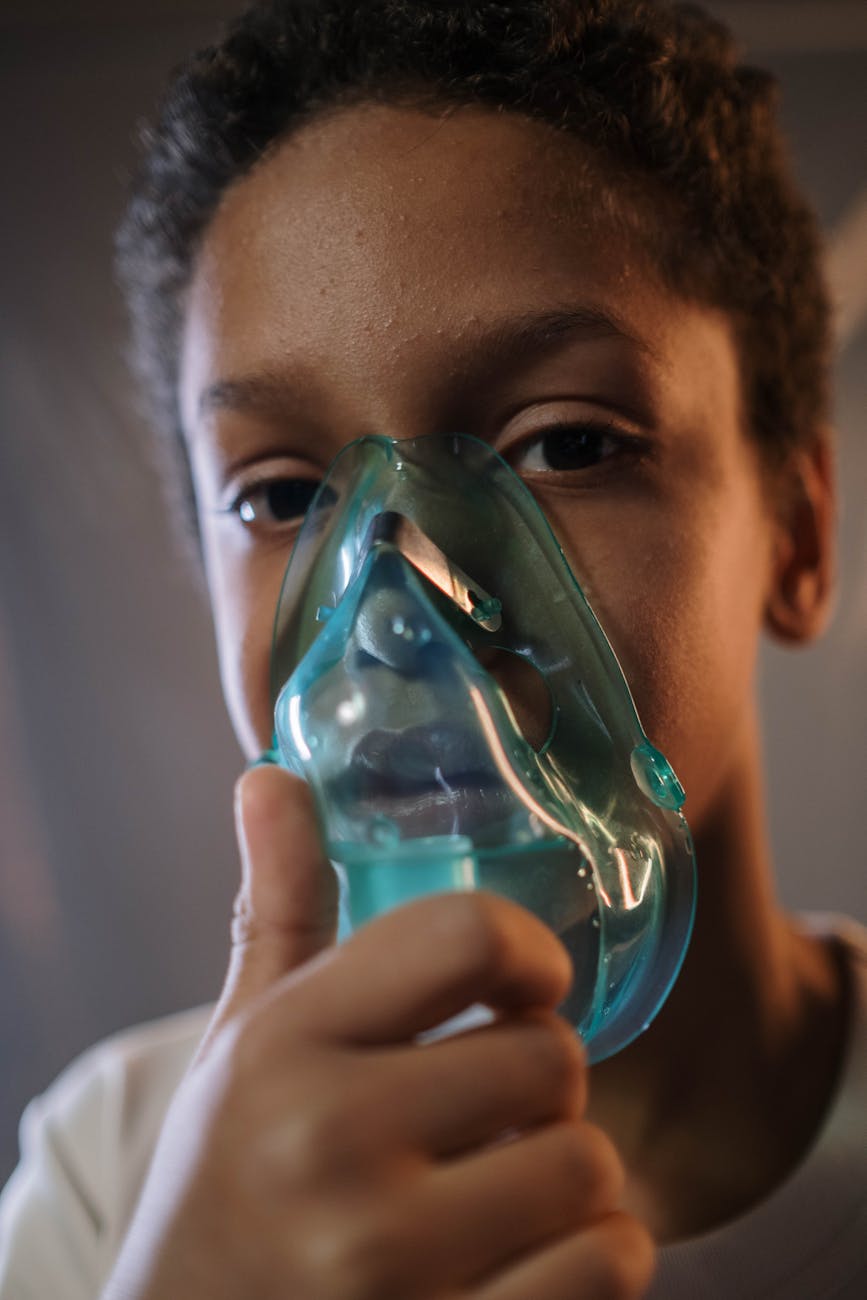
Asthma is a long-term inflammatory condition that affects the airways, making it hard to breathe. It causes the airway muscles to tighten and swell, and mucus may block airflow. People with asthma often experience wheezing, coughing, breathlessness, and chest tightness that come and go.
Asthma attacks can be triggered by infections like the common cold, or by irritants such as dust, smoke, exercise, or cold air.
If you are experiencing frequent wheezing, shortness of breath, or a persistent cough, you can get personalised advice from licensed doctors through Hope Plus. This premium service helps you get timely care and avoid severe asthma attacks or complications.
Key Takeaways
- Asthma is a chronic disease that causes inflammation and narrowing of the airways.
- It leads to recurrent coughing, wheezing, and difficulty breathing.
- Common triggers include respiratory infections, dust, smoke, and exercise.
- Diagnosis is mainly clinical but can be supported by lung function tests.
- Inhalers are the mainstay of treatment because they act quickly and have fewer side effects.
- With proper management, most people with asthma can live full, active lives.
Causes
The exact cause of asthma is not known, but it is often linked to:
- Allergies such as dust mites, pollen, or animal dander
- Family history of asthma or allergies
- Environmental factors such as pollution or tobacco smoke
- Respiratory infections in early childhood
Symptoms and Clinical Features
- Difficulty breathing or shortness of breath (often recurrent)
- Chest tightness
- Wheezing or whistling sound when breathing
- Dry cough, especially at night or early morning
- No fever (if fever is present, another illness like pneumonia may be the cause)
Signs of Severe Asthma Attack
- Inability to complete sentences due to breathlessness
- Blue or dark lips and fingertips (cyanosis)
- Rapid heartbeat
- Use of neck or chest muscles to breathe
Differential Diagnosis
Some other conditions may look like asthma, including:
- Heart failure
- Bronchiolitis (especially in children)
- Chronic cough due to other causes
- Bronchiectasis
Investigations
Asthma is usually diagnosed based on symptoms, but tests may include:
- Peak flow rate: Measures airflow; improvement after using a bronchodilator supports the diagnosis.
- Spirometry: Shows an increase in lung capacity (FEV₁ > 12%) after using a bronchodilator.
- Sputum test: May show high levels of eosinophils (a type of white blood cell).
- Chest X-ray or blood tests: Used if infection or other causes are suspected.
Management
General Principles of Asthma Care
There are four key components in managing asthma:
- Patient education: Understanding triggers, correct inhaler use, and when to seek medical help.
- Control of triggers: Avoiding dust, smoke, pets, and cold air.
- Monitoring: Keeping track of symptoms and lung function.
- Medication: Using inhalers and other prescribed medicines properly.
Routes of Treatment
- Inhalation: The preferred route, as it delivers medicine directly to the lungs.
- Nebuliser solutions are used for severe attacks, driven by oxygen in hospital.
- In children, spacers are used to make inhalers easier to use.
- Oral medicines: Used if inhalation is not possible, but with more side effects.
- Injection (parenteral): Reserved for very severe cases where inhalation is not effective.
Prevention
- Avoid known asthma triggers.
- Take medications regularly as prescribed.
- Keep inhalers within reach at all times.
- Get vaccinated against flu and other respiratory infections.
- Seek medical care early if symptoms worsen.
Frequently Asked Questions
What causes asthma attacks?
Asthma attacks are often triggered by infections, allergens (like dust and pollen), exercise, cold air, or smoke.
Can asthma be cured?
There is no permanent cure, but asthma can be well controlled with proper treatment.
Are inhalers safe for long-term use?
Yes. When used correctly and under medical supervision, inhalers are safe and effective.
Can children outgrow asthma?
Some children experience fewer symptoms as they grow older, but asthma can persist or return in adulthood.
When should I see a doctor?
If you have frequent wheezing, need your inhaler more often, or find it hard to breathe even at rest, seek medical help immediately.