

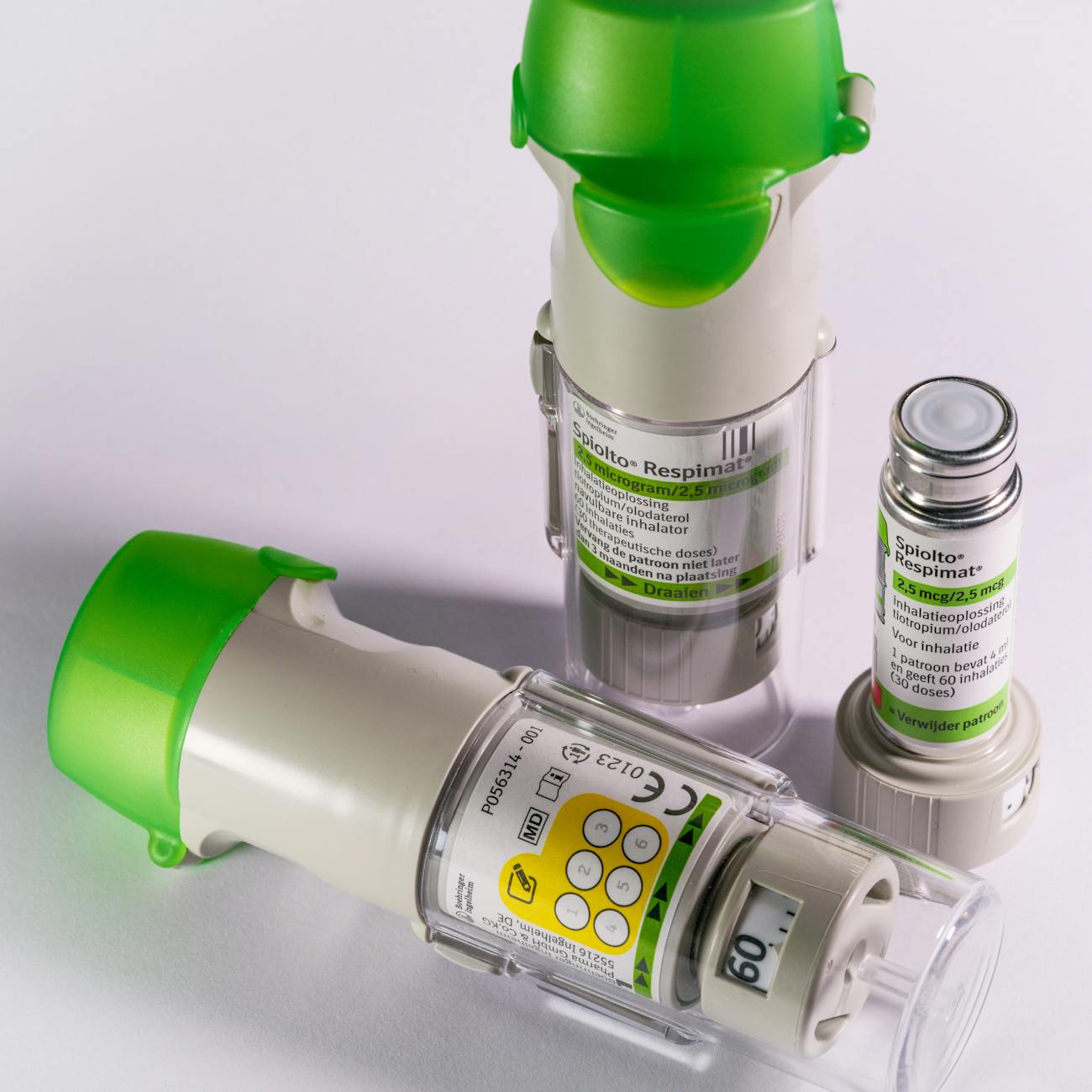
Acute asthma, or an asthma attack, is when asthma symptoms suddenly become worse. The airways tighten, swell, and produce extra mucus, making breathing difficult. These attacks can happen unexpectedly and range from mild to life-threatening.
Most asthma attacks are triggered by infections such as the common cold or flu, dust, smoke, or sudden weather changes. Even people with mild asthma can experience severe attacks if their condition is not managed well.
If you are experiencing frequent asthma attacks, wheezing, or shortness of breath, you can get personalised advice from licensed doctors through Hope Plus. This premium service helps you get timely care and avoid complications.
Key Takeaways
- An acute asthma attack is a sudden worsening of breathing difficulty.
- Triggers include infections, dust, smoke, cold air, and emotional stress.
- Severity can range from mild to life-threatening.
- Quick medical attention can prevent serious complications or death.
Causes and Triggers
Acute asthma attacks are often triggered by:
- Viral infections such as the flu or common cold
- Exposure to dust, smoke, or strong smells
- Sudden changes in weather or temperature
- Allergens such as pollen, animal fur, or mould
- Physical activity or stress
- Missing regular asthma medication or inhaler use
Symptoms of an Asthma Attack
Common signs and symptoms include:
- Shortness of breath or difficulty breathing
- Tightness or pressure in the chest
- Wheezing (a whistling sound when breathing)
- Persistent coughing, especially at night or early morning
- Struggling to talk in full sentences
- Blue lips or fingertips in severe cases (a sign of low oxygen)
If you ever feel very unwell during an attack, seek medical help immediately. Do not wait for the symptoms to pass on their own.
Severity Levels of an Asthma Attack
Healthcare providers classify asthma attacks based on how serious they are.
Mild to Moderate:
- Can still talk in full sentences
- Breathing is faster than normal but not severely difficult
- Oxygen levels above 92%
- Peak flow readings are above 50% of your best result
Severe:
- Struggles to complete sentences
- Uses chest or neck muscles to breathe
- Breathing rate and heart rate are very high
- Oxygen levels drop below 92%
Life-threatening:
- Very weak or silent breathing
- Drowsiness or confusion
- Bluish lips or fingertips
- Very low oxygen levels (below 92%)
Diagnosis
Asthma attacks are diagnosed through:
- A review of your symptoms and medical history
- Physical examination and listening to your chest
- Measuring oxygen levels using a pulse oximeter
- Checking your breathing strength using a peak flow meter
- Ruling out other conditions like chest infections or heart problems
Treatment
Treatment focuses on opening up the airways, improving breathing, and preventing future attacks. The approach depends on the severity of the attack.
For Mild to Moderate Attacks
- Salbutamol (Ventolin) is given using an inhaler or nebuliser to relax and open the airways.
- Steroids such as prednisolone are given to reduce airway inflammation.
- The patient is monitored for 30–60 minutes to ensure improvement.
- If breathing improves, treatment continues at home with a short course of steroids and follow-up after one to two weeks.
For Severe Attacks
- The patient is admitted for close monitoring.
- High-flow oxygen is given to maintain healthy oxygen levels.
- Salbutamol is continued using a nebuliser or inhaler every 20–30 minutes.
- Steroids such as hydrocortisone or prednisolone are given by injection or orally.
- Ipratropium bromide may be added if breathing remains difficult.
- If response is poor, aminophylline may be given slowly through a vein, although it is used with caution due to side effects.
For Life-threatening Attacks
- Immediate hospital admission is required.
- Oxygen is given continuously to raise oxygen levels.
- Salbutamol and ipratropium bromide are given frequently through a nebuliser.
- Steroids are administered through a vein.
- The patient is closely monitored until stabilised.
After Recovery
Once the patient recovers, long-term asthma care is reviewed to prevent another attack. This may include:
- Reviewing and adjusting inhaler doses
- Checking inhaler technique and medication adherence
- Identifying and avoiding known triggers
- Scheduling regular follow-ups with a healthcare provider
When to Seek Immediate Help
Go to the nearest hospital or emergency unit if you:
- Cannot speak or breathe properly
- Have blue lips or fingertips
- Feel faint, dizzy, or confused
- Do not improve after using your inhaler
- Have frequent attacks despite regular treatment
Frequently Asked Questions (FAQs)
1. What causes asthma attacks in Uganda?
Asthma attacks are commonly triggered by infections, dust, smoke, and weather changes. Poor air quality and pollution in some Ugandan towns can also make attacks more frequent.
2. Can I manage an asthma attack at home?
Mild attacks may improve with your reliever inhaler, but severe attacks need medical attention. Always go to a health facility if breathing does not improve within minutes.
3. What should I avoid if I have asthma?
Avoid cigarette smoke, dusty environments, and skipping your inhaler medication. Regularly clean your living space to reduce dust and mould.
4. Can children outgrow asthma?
Some children’s symptoms may lessen as they grow, but others continue to have asthma into adulthood. Regular follow-up is important.
5. When should I see a doctor?
See a doctor if your symptoms are getting worse, if you use your reliever inhaler more often, or if attacks are becoming frequent. Through Hope Plus, you can easily talk to a licensed doctor and receive guidance on how to stay safe.