

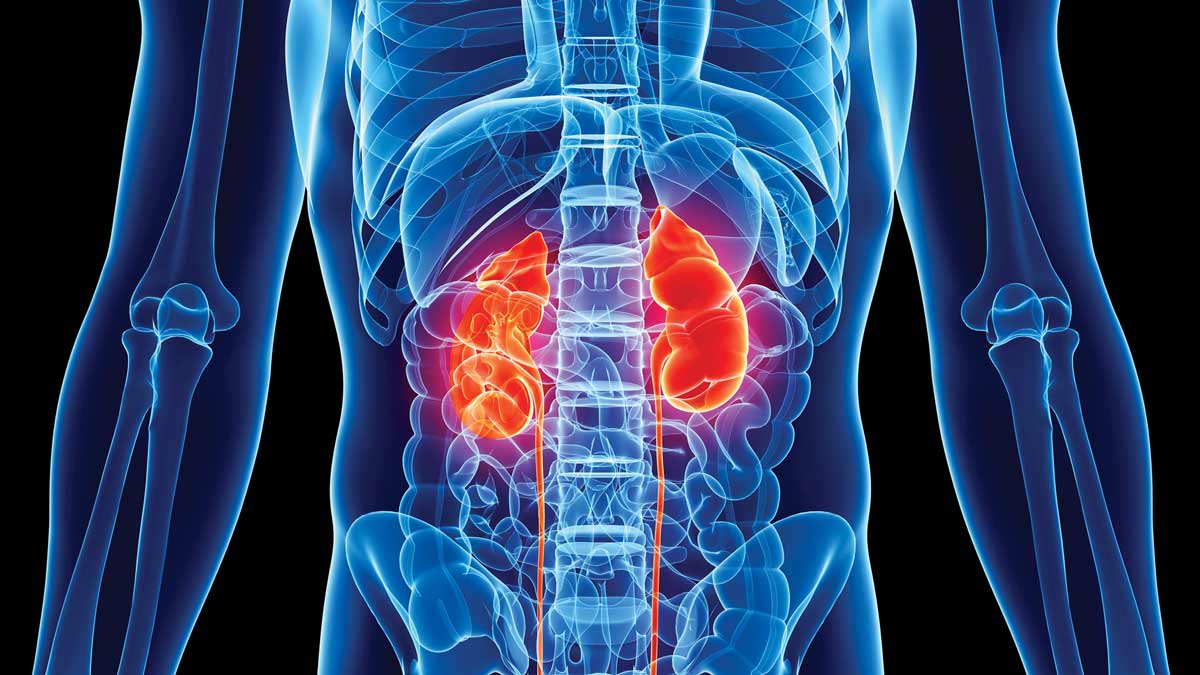
Acute pyelonephritis is a serious urinary tract infection that affects one or both kidneys. Unlike a simple bladder infection, this condition involves the upper urinary tract and can make a person very unwell. Without prompt treatment, the infection can damage the kidneys, spread to the bloodstream, and become life-threatening.
Acute pyelonephritis can affect people of all ages, but it is more common in women, pregnant women, young children, older adults, people living with HIV, and individuals with diabetes. Recognising the symptoms early and seeking treatment quickly can help prevent complications and support a full recovery.
If you have a fever together with back pain, painful urination, vomiting, or symptoms of a urinary tract infection, it is important to seek medical advice as soon as possible. Through Hope Plus, you can connect with a licensed healthcare provider in minutes to discuss your symptoms, understand whether you may need urgent treatment, and receive guidance on the next steps.
Key Takeaways
- Acute pyelonephritis is a kidney infection and is more serious than a simple bladder infection.
- Common symptoms include fever, back or side pain, vomiting, and urinary symptoms.
- Children, pregnant women, people with diabetes, and older adults are at higher risk.
- Severe cases often require hospital treatment and intravenous antibiotics.
- Early treatment can prevent kidney damage and serious complications.
What Is Acute Pyelonephritis?
The urinary tract consists of:
- Kidneys
- Ureters
- Bladder
- Urethra
Acute pyelonephritis occurs when bacteria travel up the urinary tract and infect the kidneys.
In many cases, the infection starts in the bladder and then spreads upwards to one or both kidneys.
Because the kidneys are vital organs that filter waste products from the blood, infections affecting them require prompt medical attention.
Causes of Acute Pyelonephritis
Bacterial Infection
Most cases are caused by bacteria.
The most common bacterium responsible is:
- Escherichia coli (E. coli)
These bacteria normally live in the intestines but can enter the urinary tract and travel upward to the kidneys.
Ascending Urinary Tract Infection
The infection often follows this pathway:
- Bacteria from the bowel reach the skin around the anus.
- The bacteria enter the urethra.
- The infection spreads to the bladder.
- The bacteria travel further up to the kidneys.
Risk Factors for Acute Pyelonephritis
Some people are more likely to develop kidney infections.
Urinary Tract Obstruction
Anything that blocks the flow of urine can increase the risk of infection.
Examples include:
- Enlarged prostate
- Kidney stones
- Narrowing of the urinary tract
Urinary Tract Abnormalities
Structural abnormalities present from birth can make infections more likely.
Pregnancy
Pregnancy increases the risk of urinary tract infections and kidney infections due to hormonal and physical changes affecting urine flow.
Diabetes
High blood sugar levels can make it easier for infections to develop and become severe.
HIV Infection
People living with HIV may have a higher risk of serious infections.
Older Age
Older adults often have a higher risk because of changes in the urinary tract and immune system.
Symptoms of Acute Pyelonephritis
Symptoms often develop suddenly and can become severe within a short period.
Fever and Chills
Many patients develop:
- High fever
- Shivering
- Chills or rigors
- Sweating
These symptoms often indicate a significant infection.
Pain in the Side or Back
Pain usually occurs in the area where the kidneys are located.
Patients may experience:
- Pain on one side of the back
- Pain on both sides
- Tenderness when the area is touched
Nausea and Vomiting
Many patients feel sick and may vomit repeatedly.
Urinary Symptoms
If a bladder infection is also present, symptoms may include:
- Pain when passing urine
- Frequent urination
- Urgent need to urinate
- Passing small amounts of urine frequently
Symptoms in Children
Children may develop:
- Fever
- Vomiting
- Diarrhoea
- Convulsions or seizures
- Poor feeding
Symptoms in Infants
Infants may not show typical urinary symptoms.
Instead, they may present with:
- Fever
- Irritability
- Poor feeding
- Reduced activity
Symptoms in Older Adults
Older adults may present differently.
Symptoms may include:
- Confusion
- Disorientation
- Weakness
- Fever without obvious urinary symptoms
How Acute Pyelonephritis Is Diagnosed
Healthcare providers use symptoms, physical examination, and laboratory tests to confirm the diagnosis.
Urine Tests
A urine sample is usually tested for:
- Pus cells
- Bacteria
- White blood cells
Urine culture and sensitivity testing may be performed to identify the bacteria and determine which antibiotics are most effective.
Blood Tests
Blood tests may include:
- Full blood count
- Blood cultures
- Kidney function tests
- Electrolyte levels
Ultrasound Scan
An ultrasound of the kidneys or prostate may be requested to look for:
- Kidney stones
- Obstruction
- Structural abnormalities
- Complications of infection
Conditions That Can Be Mistaken for Acute Pyelonephritis
Several other illnesses can cause similar symptoms.
Healthcare providers may consider:
- Appendicitis
- Infection of the fallopian tubes (salpingitis)
- Gallbladder infection (cholecystitis)
- Kidney stones
- Other abdominal infections
Treatment of Acute Pyelonephritis
Treatment aims to eliminate the infection, relieve symptoms, and prevent complications.
Step 1: Ensure Adequate Fluid Intake
Healthcare providers encourage adequate fluid intake whenever appropriate.
Fluids help:
- Prevent dehydration
- Support kidney function
- Dilute bacteria in the urinary tract
Some patients may receive fluids through a vein if they are unable to drink enough.
Step 2: Control Pain and Fever
Medicines such as paracetamol may be given to reduce:
- Fever
- Pain
- General discomfort
Step 3: Antibiotic Treatment
Antibiotics are the main treatment for acute pyelonephritis.
Mild Cases in Adults
Adults with less severe infections may sometimes be treated as outpatients with oral antibiotics.
Severe Cases
Hospital treatment is usually recommended for:
- Children
- Pregnant women
- Patients with severe symptoms
- Patients who cannot keep fluids down
- Patients who do not improve with initial treatment
In these situations, antibiotics such as ceftriaxone may be given through a vein.
Step 4: Continue Treatment After Improvement
Once symptoms improve, healthcare providers may switch from intravenous antibiotics to oral antibiotics to complete the full course of treatment.
Completing treatment is important to ensure the infection is fully cleared.
Step 5: Investigate Underlying Causes
Patients with repeated infections may require further investigations to identify contributing factors such as:
- Urinary tract abnormalities
- Kidney stones
- Urinary obstruction
Children with recurrent infections are often referred for specialist assessment.
Possible Complications
Without prompt treatment, acute pyelonephritis can lead to:
- Kidney abscesses
- Kidney damage
- Bloodstream infection (sepsis)
- Kidney failure
- Recurrent infections
- Life-threatening illness
Early diagnosis and treatment significantly reduce these risks.
When Should You Seek Urgent Medical Care?
Seek immediate medical attention if you develop:
- High fever with urinary symptoms
- Severe back or side pain
- Repeated vomiting
- Confusion or disorientation
- Difficulty staying hydrated
- Convulsions
- Symptoms that rapidly worsen
These symptoms may indicate a severe kidney infection requiring urgent treatment.
Prevention of Acute Pyelonephritis
Several measures can help reduce the risk of kidney infections.
Maintain Good Perianal Hygiene
Proper cleaning after using the toilet helps reduce the spread of bacteria from the bowel to the urinary tract.
Empty the Bladder Completely
Incomplete bladder emptying can increase the risk of infection.
Healthcare providers may recommend:
- Taking enough time when urinating
- Ensuring the bladder feels empty afterwards
Consider Double Voiding
Double voiding involves attempting to urinate again shortly after finishing.
This may help remove any remaining urine from the bladder.
Drink Adequate Fluids
Regular fluid intake helps support urinary tract health and promotes regular urination.
Seek Early Treatment for Urinary Symptoms
Prompt treatment of bladder infections may prevent bacteria from spreading to the kidneys.
Frequently Asked Questions (FAQs)
Is acute pyelonephritis the same as a bladder infection?
No. A bladder infection affects the lower urinary tract, while acute pyelonephritis affects the kidneys and is generally more serious.
What causes acute pyelonephritis?
Most cases are caused by bacteria, especially E. coli, spreading from the bladder to the kidneys.
Can a urinary tract infection spread to the kidneys?
Yes. If a bladder infection is not treated promptly, bacteria can travel to the kidneys and cause pyelonephritis.
Is acute pyelonephritis dangerous?
Yes. Without treatment, it can lead to kidney damage, bloodstream infections, and other serious complications.
Why are pregnant women at higher risk?
Pregnancy can slow urine flow and make it easier for bacteria to grow and spread within the urinary tract.
Can children get kidney infections?
Yes. Children can develop acute pyelonephritis and may present with fever, vomiting, diarrhoea, or poor feeding.
When should I go to the hospital?
You should seek urgent medical care if you have fever with urinary symptoms, severe side or back pain, repeated vomiting, confusion, or signs of dehydration.