

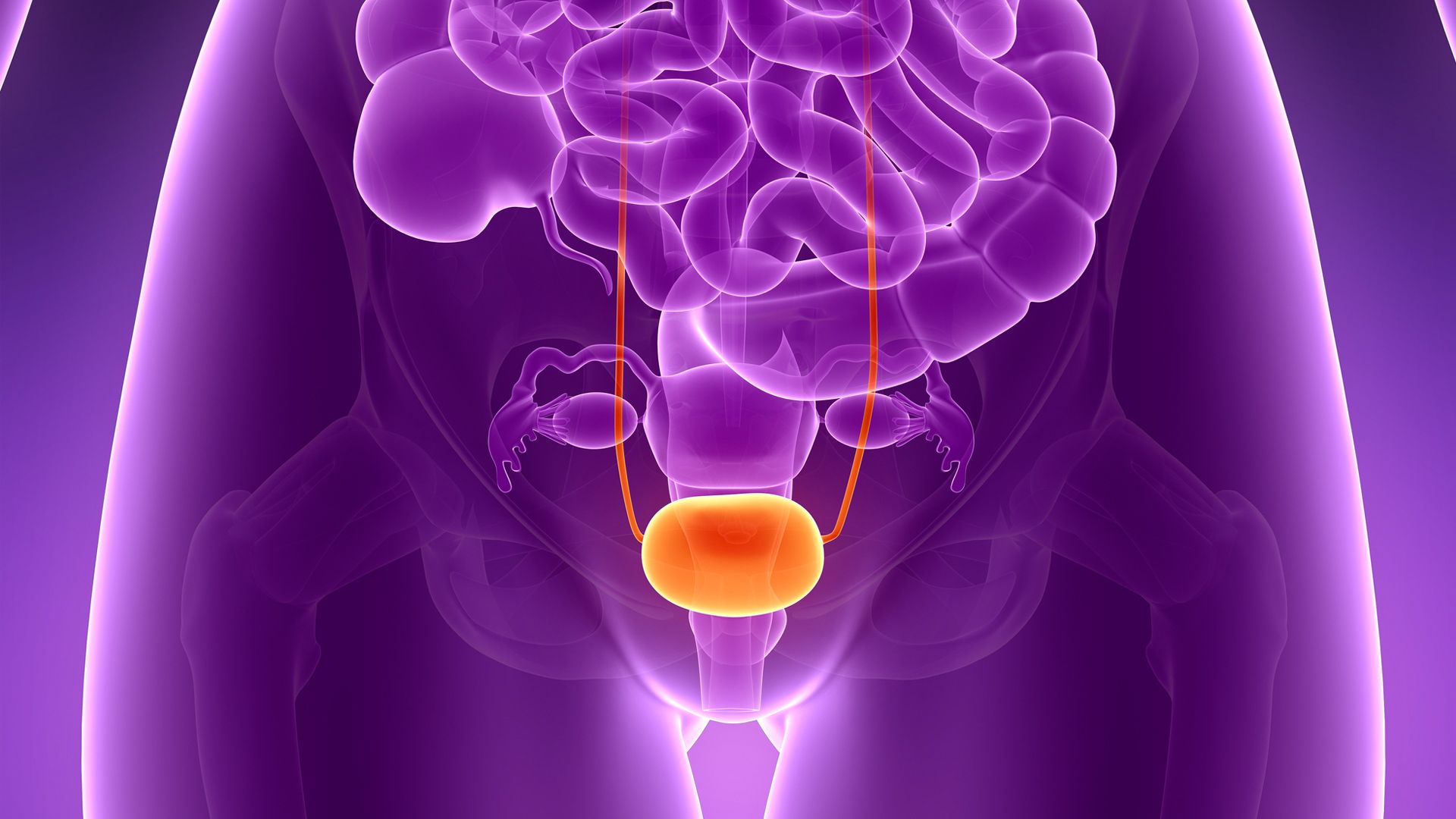
Acute cystitis is an infection or inflammation of the bladder, which is part of the lower urinary tract. It is one of the most common types of urinary tract infection (UTI), especially among women. The condition occurs when bacteria enter the urinary tract and multiply inside the bladder, causing irritation and infection.
Although acute cystitis is usually not serious when treated early, delaying treatment can allow the infection to spread to the kidneys, leading to more severe illness. Recognising the symptoms and seeking prompt medical care can help prevent complications and provide quick relief.
If you are experiencing pain while passing urine, frequent urges to urinate, or lower abdominal discomfort, it is important to get assessed. Through Hope Plus, you can connect with a licensed healthcare provider in minutes, discuss your symptoms, receive treatment guidance, and learn whether further testing is needed.
Key Takeaways
- Acute cystitis is a bladder infection and a common type of urinary tract infection.
- Women are affected more often than men.
- Common symptoms include painful urination, frequent urination, and lower abdominal pain.
- Most cases are caused by bacteria, particularly Escherichia coli (E. coli).
- Early treatment helps prevent the infection from spreading to the kidneys.
What Is Acute Cystitis?
The urinary tract consists of the kidneys, ureters, bladder, and urethra.
Acute cystitis occurs when bacteria enter the bladder and cause inflammation. This leads to symptoms such as pain when passing urine, frequent urination, and discomfort in the lower abdomen.
Most cases are uncomplicated, meaning the infection is limited to the bladder and occurs in otherwise healthy individuals.
Causes of Acute Cystitis
Bacterial Infection
Most cases are caused by bacteria that normally live in the intestines.
The most common bacterium responsible is:
- Escherichia coli (E. coli)
These bacteria can travel from the skin around the anus to the urethra and then into the bladder.
Why Women Are More Commonly Affected
Women have a shorter urethra than men, making it easier for bacteria to reach the bladder.
This is why urinary tract infections are much more common in women.
Acute Cystitis in Men
Bladder infections are less common in men.
When a man develops symptoms of cystitis, healthcare providers may investigate other conditions such as:
- Prostatitis (infection or inflammation of the prostate gland)
- Urethritis (often related to sexually transmitted infections)
Risk Factors for Acute Cystitis
Several factors can increase the risk of developing a bladder infection.
These include:
- Poor genital hygiene
- Sexual activity
- Not drinking enough fluids
- Previous urinary tract infections
- Difficulty emptying the bladder completely
- Certain medical conditions affecting urine flow
Symptoms of Acute Cystitis
Symptoms often develop suddenly and can become uncomfortable within a short time.
Painful Urination
Many patients experience:
- Burning sensation while urinating
- Pain when passing urine
- Difficulty passing urine
This symptom is known as dysuria.
Frequent Urination
Patients often feel the need to urinate more frequently than usual.
Despite frequent trips to the toilet, only small amounts of urine may be passed.
Urgent Need to Urinate
There may be a strong and sudden urge to urinate that is difficult to ignore.
Lower Abdominal Pain
Pain or tenderness may occur in the lower abdomen, just above the pubic bone.
Cloudy Urine
The urine may appear cloudy because of the presence of pus cells or blood.
Blood in the Urine
Some patients notice:
- Pink urine
- Red urine
- Small amounts of visible blood
Foul-Smelling Urine
Urine may develop an unusually strong or unpleasant smell.
Difficulty Passing Urine
In severe infections, inflammation can make urination difficult and may occasionally lead to urine retention.
How Acute Cystitis Is Diagnosed
Healthcare providers usually diagnose acute cystitis based on symptoms and urine testing.
Urine Analysis
A urine sample may be tested for:
- Blood
- White blood cells (leucocytes)
- Nitrites
- Protein
- Sediment
These findings help support the diagnosis of a urinary tract infection.
Urine Culture and Sensitivity Testing
This test identifies the exact bacteria causing the infection and determines which antibiotics are most effective.
It is usually recommended when:
- Symptoms keep returning
- Treatment is not working
- Resistant infections are suspected
Conditions That Can Mimic Acute Cystitis
Several other conditions may cause similar symptoms.
In Women
Healthcare providers may consider:
- Vaginitis (infection or inflammation of the vagina)
In Men
Healthcare providers may investigate:
- Urethritis
- Prostatitis
Symptoms such as fever, chills, severe pain, confusion, or general illness may suggest a more serious condition than simple cystitis.
Treatment of Acute Cystitis
Treatment aims to eliminate the infection, relieve symptoms, and prevent complications.
Step 1: Increase Fluid Intake
Patients are encouraged to drink adequate amounts of water unless a healthcare provider advises otherwise.
Increasing fluid intake may help:
- Flush bacteria from the urinary tract
- Reduce irritation in the bladder
- Support recovery
Step 2: Antibiotic Treatment
Healthcare providers prescribe antibiotics to clear the infection.
Commonly used antibiotics may include:
Nitrofurantoin
Nitrofurantoin is often used as a first-line treatment for uncomplicated cystitis.
Healthcare providers may advise taking it after meals to reduce stomach upset.
Other Antibiotics
If nitrofurantoin is not suitable or treatment is unsuccessful, other antibiotics may be considered based on clinical assessment and laboratory results.
The choice of antibiotic depends on:
- Age
- Pregnancy status
- Medical history
- Local antibiotic resistance patterns
Step 3: Further Investigation for Recurrent Infections
Patients who experience repeated infections or poor response to treatment may require:
- Urine culture testing
- Additional urinary tract investigations
- Specialist review
Important Note About Bacteria in the Urine
Not everyone with bacteria detected in their urine requires treatment.
Some people have bacteria or white blood cells in the urine without symptoms. This is called asymptomatic bacteriuria.
Treatment is usually only recommended in specific groups, including:
- Pregnant women
- Patients undergoing urinary tract procedures
- Kidney transplant recipients
For most healthy individuals without symptoms, treatment is often unnecessary.
Possible Complications
When treated early, acute cystitis usually resolves without problems.
However, untreated infections can sometimes spread to the kidneys and cause:
- Kidney infection (pyelonephritis)
- Severe illness
- Recurrent urinary tract infections
Seek medical attention if symptoms worsen or fail to improve.
Prevention of Acute Cystitis
Several simple measures can help reduce the risk of bladder infections.
Maintain Good Personal Hygiene
Proper genital hygiene can reduce the transfer of bacteria into the urinary tract.
Pass Urine After Sexual Intercourse
Urinating after sexual activity may help flush bacteria from the urethra.
Drink Plenty of Fluids
Adequate hydration encourages regular urination and may help remove bacteria before they cause infection.
Do Not Delay Urination
Emptying the bladder regularly may help reduce the risk of infection.
Seek Early Treatment
Prompt treatment of urinary symptoms may prevent complications and recurrent infections.
When Should You Seek Medical Care Urgently?
Seek prompt medical attention if you develop:
- Fever
- Chills
- Back or side pain
- Vomiting
- Blood in the urine
- Difficulty passing urine
- Symptoms that do not improve with treatment
These may indicate a more serious infection requiring further evaluation.
Frequently Asked Questions (FAQs)
What causes acute cystitis?
Most cases are caused by bacteria, especially E. coli, entering the bladder and causing infection.
Is acute cystitis the same as a urinary tract infection?
Acute cystitis is a type of urinary tract infection that specifically affects the bladder.
Why do women get bladder infections more often than men?
Women have a shorter urethra, making it easier for bacteria to reach the bladder.
Can acute cystitis go away without treatment?
Some mild cases may improve, but medical evaluation is recommended because untreated infections can spread to the kidneys.
Is cloudy urine always a sign of infection?
Not always. However, cloudy urine accompanied by pain, frequent urination, or bad-smelling urine should be assessed by a healthcare provider.
Can men get acute cystitis?
Yes, although it is less common. When men develop bladder infection symptoms, healthcare providers often investigate other possible causes as well.
How can I prevent urinary tract infections?
Good hygiene, drinking plenty of fluids, urinating regularly, and passing urine after sexual intercourse may help reduce the risk.