

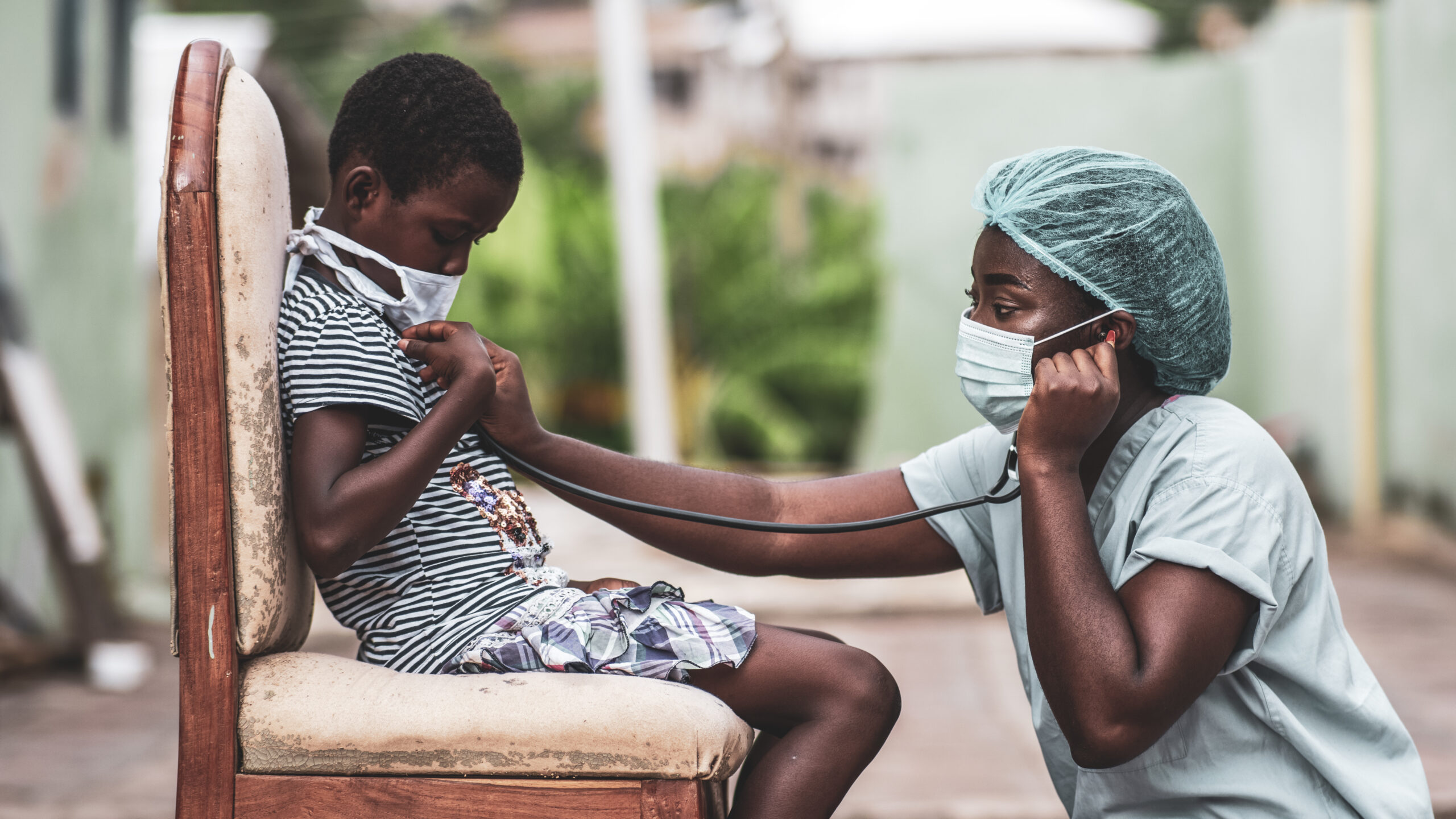
Pertussis, commonly known as whooping cough, is a highly contagious bacterial infection of the lungs and airways. It causes severe coughing fits that can make it difficult to breathe and sometimes end with a high-pitched “whoop.” The disease is most dangerous in young children, especially infants under 6 months, and can lead to serious complications if not treated promptly.
If your child shows signs of whooping cough, Hope Plus can connect you to a licensed healthcare provider within minutes. They can guide urgent care, advise on isolation, and help manage symptoms safely at home or in hospital. You can access this service here: Hope Plus.
Key Takeaways
- Pertussis is caused by the bacterium Bordetella pertussis and spreads easily through droplets from coughs or sneezes.
- Early signs resemble a common cold, but severe coughing fits with a “whoop” follow.
- Infants may not produce the typical whoop but can experience pauses in breathing (apnoea) and bluish skin.
- Treatment includes antibiotics, supportive care, and ensuring nutrition and hydration.
- Vaccination is the most effective prevention method.
Causes of Pertussis
- Bacterial infection with Bordetella pertussis.
- Spread through droplet infection when an infected person coughs or sneezes.
Symptoms to Watch For
Stage 1: Coryzal (Catarrhal) – 1–2 weeks
- Most infectious stage
- Runny nose, mild cough, slight fever
Stage 2: Paroxysmal – 1–6 weeks
- Severe, repetitive coughing fits ending with a whoop
- Vomiting after coughing, red eyes (conjunctival hemorrhage)
- Fever may be present, patient becomes tired
- Infants under 6 months may have apnoea and cyanosis; coughing fits may be absent
Stage 3: Convalescent
- Cough gradually improves over weeks or months
- Residual cough may persist
Possible Complications
- Respiratory: pneumonia, lung collapse (atelectasis), emphysema, bronchiectasis, ear infections
- Nervous system: seizures, coma, bleeding in the brain
- Other: malnutrition, dehydration, hernias, rectal prolapse
How Healthcare Providers Diagnose Pertussis
Diagnosis is mainly based on symptoms and history. Tests may include:
- Blood tests (complete blood count)
- Chest X-ray to check for complications
Managing Pertussis
Supportive Care
- Ensure good nutrition and hydration
- Give oxygen and suction if the child turns bluish (cyanotic)
Antibiotic Treatment
- Start treatment within 3 weeks of cough onset
- Erythromycin:
- Adults: 500 mg every 6 hours for 7 days
- Children: 10–15 mg/kg every 6 hours
Vaccination and Isolation
- For unimmunised or partly immunised children, give DPT vaccine as per routine schedule
- Isolate the child until at least 5 days of antibiotic treatment are completed
Important: Cough mixtures, sedatives, mucolytics, and antihistamines are not effective and should not be given.
Prevention
- Follow the routine childhood immunisation schedule strictly
- Maintain good nutrition
- Avoid overcrowded spaces
- Give booster doses to exposed infants if recommended
FAQ: Common Questions About Pertussis
1. How is whooping cough spread?
Through droplets when an infected person coughs or sneezes.
2. Can infants show the typical whoop?
Not always. Infants may have pauses in breathing (apnoea) and bluish skin instead.
3. How is it treated?
With antibiotics, supportive care, hydration, and good nutrition.
4. Can it be treated at home?
Mild cases may be monitored at home under guidance, but infants and severe cases need hospital care.
5. Is vaccination important?
Yes. Vaccination is the best way to prevent pertussis.
6. How long is a child contagious?
Children are most contagious in the first 1–2 weeks but should remain isolated until after 5 days of antibiotic treatment.
7. Are cough syrups helpful?
No. Cough syrups, sedatives, and antihistamines do not help and should be avoided.