

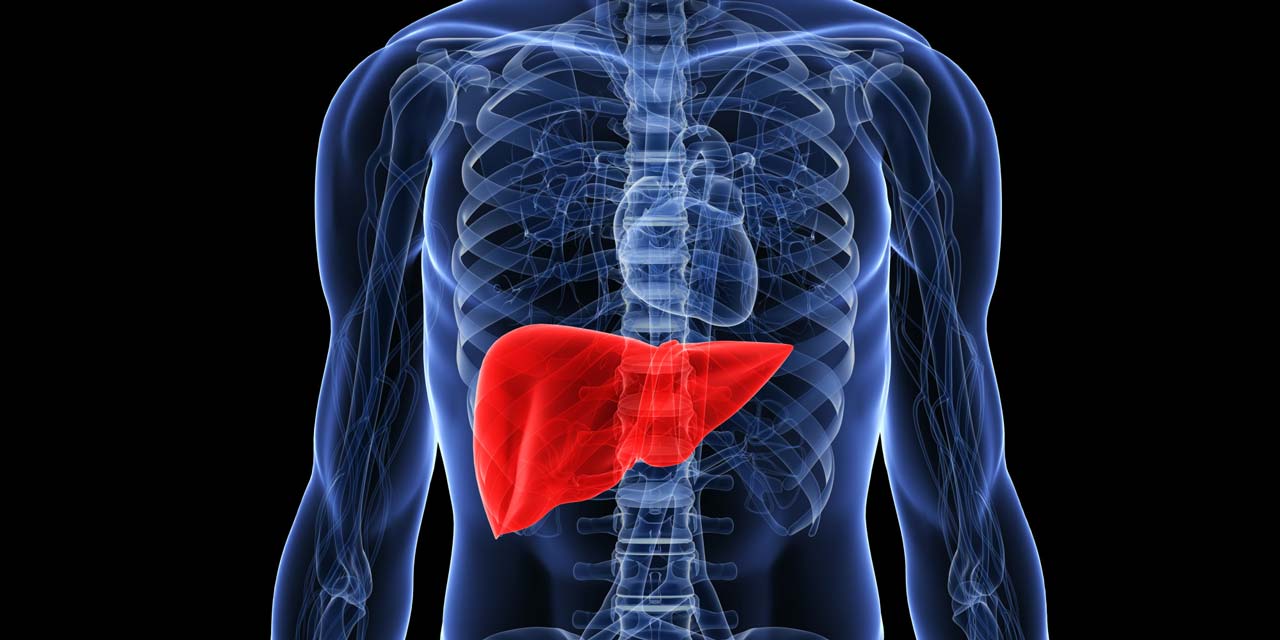
Hepatocellular carcinoma (HCC) is the most common type of primary liver cancer. It develops when cells in the liver begin to grow abnormally and form a tumour. In Uganda, liver cancer is an important health concern because chronic hepatitis B infection is common and significantly increases the risk of developing the disease.
Liver cancer often develops slowly and may not cause noticeable symptoms in its early stages. Unfortunately, many patients are diagnosed when the disease is already advanced. Understanding the risk factors, warning signs, and available treatment options can help people seek medical care earlier and improve their chances of successful treatment.
People living with hepatitis B, hepatitis C, liver cirrhosis, or other chronic liver conditions should not ignore symptoms such as unexplained weight loss, abdominal swelling, or persistent pain on the right side of the abdomen. Through Hope Plus, patients can quickly connect with a licensed healthcare provider for assessment, guidance, and referral for further investigations when liver disease is suspected.
Key Takeaways
- Hepatocellular carcinoma is the most common type of liver cancer.
- Chronic hepatitis B, hepatitis C, liver cirrhosis, and aflatoxin exposure are major risk factors.
- Early liver cancer may cause few or no symptoms.
- Unexplained weight loss, abdominal pain, and jaundice should be medically evaluated.
- Early diagnosis can improve treatment options and outcomes.
What Is Hepatocellular Carcinoma?
Hepatocellular carcinoma is a cancer that begins in the liver cells.
The liver is a vital organ responsible for filtering toxins, producing important proteins, helping digestion, and storing nutrients. When cancer develops in the liver, these functions can gradually become impaired.
Hepatocellular carcinoma is different from liver metastases, which occur when cancer spreads to the liver from another part of the body.
What Causes Liver Cancer?
Liver cancer usually develops in people who have long-term liver damage.
Chronic Hepatitis B Infection
In Uganda, hepatitis B is one of the leading causes of liver cancer.
Long-term infection can cause ongoing inflammation and damage to liver cells, increasing the risk of cancer over time.
Chronic Hepatitis C Infection
Hepatitis C can also cause chronic liver inflammation and scarring, which may eventually lead to liver cancer.
Liver Cirrhosis
Cirrhosis is severe scarring of the liver.
Regardless of the cause, cirrhosis significantly increases the risk of developing hepatocellular carcinoma.
Excessive Alcohol Use
Long-term heavy alcohol consumption can damage the liver and contribute to cirrhosis and liver cancer.
Aflatoxin Exposure
Aflatoxins are harmful substances produced by certain moulds that can grow on poorly stored grains, maize, groundnuts, and other foods.
Long-term exposure to aflatoxins is a recognised risk factor for liver cancer in many African countries, including Uganda.
Who Is at Risk?
The risk is higher in people who:
- Have chronic hepatitis B infection
- Have chronic hepatitis C infection
- Have liver cirrhosis
- Have a family history of liver disease
- Consume excessive amounts of alcohol over many years
- Are exposed to aflatoxin-contaminated foods
- Have chronic liver inflammation from other causes
Symptoms of Hepatocellular Carcinoma
Symptoms may develop gradually and often become more noticeable as the cancer grows.
Pain in the Upper Right Side of the Abdomen
Many patients experience discomfort or pain beneath the right rib cage where the liver is located.
Enlarged Liver
The liver may become enlarged, causing a feeling of fullness or pressure in the abdomen.
Weight Loss
Unexplained weight loss is a common warning sign of many cancers, including liver cancer.
Jaundice
Jaundice causes yellowing of the eyes and skin due to a buildup of bilirubin in the body.
Ascites
Ascites refers to fluid accumulation in the abdomen, which can cause swelling and discomfort.
Enlarged Lymph Nodes
Some patients may develop swollen lymph nodes, particularly when the disease has advanced.
Other Possible Symptoms
Additional symptoms may include:
- Loss of appetite
- Fatigue
- Nausea
- Weakness
- Feeling full after eating small amounts of food
Conditions That Can Resemble Liver Cancer
Several conditions can produce symptoms similar to hepatocellular carcinoma.
These include:
Liver Metastases
Cancer from another part of the body may spread to the liver.
Liver Abscess
A liver abscess is a collection of pus in the liver caused by infection.
Hydatid Cyst
This is a fluid-filled cyst caused by a parasitic infection and may resemble a liver tumour on imaging tests.
Because these conditions can appear similar, proper medical investigations are important.
How Is Liver Cancer Diagnosed?
Healthcare providers use several tests to confirm the diagnosis.
Abdominal Ultrasound Scan
An ultrasound scan uses sound waves to create images of the liver.
This is often one of the first tests performed when liver disease is suspected.
Alpha-Fetoprotein (AFP) Blood Test
AFP is a substance that may be elevated in some patients with liver cancer.
While the test cannot diagnose liver cancer on its own, it can provide useful information when combined with other investigations.
Liver Function Tests
Blood tests are used to assess how well the liver is working and to identify signs of liver damage.
Liver Biopsy
In some cases, a small sample of liver tissue may be collected and examined under a microscope.
This can help confirm whether cancer cells are present.
How Is Hepatocellular Carcinoma Treated?
Treatment depends on several factors, including:
- The size and number of tumours
- Whether the cancer has spread
- The overall health of the liver
- The patient’s general health
Possible treatment options include:
Surgery
If the cancer is detected early and has not spread, part of the liver containing the tumour may be removed.
Liver Transplantation
In selected patients, liver transplantation may be considered.
Local Tumour Treatments
Healthcare providers may use procedures that destroy cancer cells directly within the liver.
Cancer Medicines
Targeted therapies and other cancer treatments may be used for advanced disease.
Supportive Care
Supportive treatment helps manage symptoms, improve comfort, and maintain quality of life.
A specialist team determines the most appropriate treatment plan for each patient.
Can Liver Cancer Be Prevented?
Many cases of liver cancer can be prevented by reducing exposure to known risk factors.
Important preventive measures include:
Hepatitis B Vaccination
Vaccination against hepatitis B is one of the most effective ways to reduce the risk of liver cancer.
Early Treatment of Hepatitis
People diagnosed with hepatitis B or hepatitis C should receive regular monitoring and appropriate treatment.
Safe Food Storage
Proper storage of grains and groundnuts can help reduce exposure to aflatoxins.
Limiting Alcohol Consumption
Reducing harmful alcohol use can lower the risk of liver damage and cirrhosis.
Regular Monitoring of Liver Disease
Patients with cirrhosis or chronic hepatitis should attend regular medical reviews and screening appointments.
When Should You See a Healthcare Provider?
Seek medical attention if you develop:
- Persistent pain in the upper right side of the abdomen
- Unexplained weight loss
- Yellowing of the eyes or skin
- Abdominal swelling
- Loss of appetite
- Ongoing fatigue
- Symptoms of chronic liver disease
Early evaluation can help identify serious liver conditions before they become advanced.
Frequently Asked Questions (FAQ)
1. What is hepatocellular carcinoma?
It is the most common type of primary liver cancer and develops from liver cells.
2. Is hepatitis B linked to liver cancer?
Yes. Chronic hepatitis B infection is one of the leading causes of liver cancer in Uganda and worldwide.
3. Can liver cancer occur without cirrhosis?
Yes. Although cirrhosis greatly increases the risk, liver cancer can sometimes develop in people without cirrhosis, particularly those with chronic hepatitis B.
4. What are the early signs of liver cancer?
Early symptoms may be mild or absent. Some people experience fatigue, loss of appetite, mild abdominal discomfort, or unexplained weight loss.
5. How is liver cancer diagnosed?
Diagnosis may involve ultrasound scanning, blood tests such as alpha-fetoprotein, liver function tests, and sometimes a liver biopsy.
6. Can liver cancer be cured?
Some patients diagnosed at an early stage may be treated successfully with surgery, transplantation, or other specialised treatments.
7. How can I reduce my risk of liver cancer?
Getting vaccinated against hepatitis B, treating chronic hepatitis infections, limiting alcohol use, and storing food properly to avoid aflatoxin contamination can help reduce the risk.