

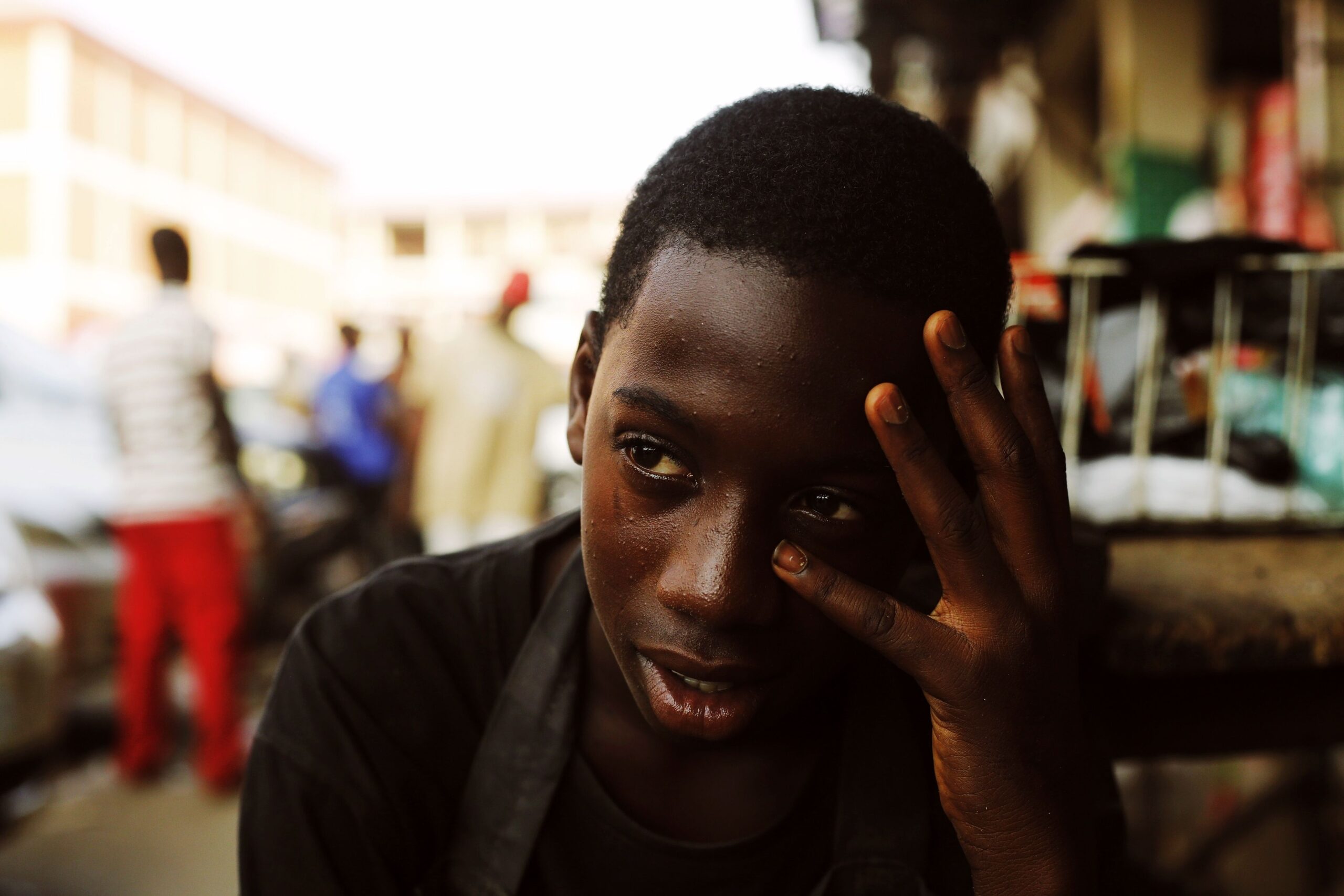
Headache is one of the most common health complaints affecting people of all ages. It can range from a mild discomfort that lasts a few hours to severe pain that interferes with work, school, sleep, and daily activities. While most headaches are not dangerous, some can be a sign of a serious underlying medical condition that requires urgent medical attention.
Headaches can affect different parts of the head and may be caused by many conditions, including stress, malaria, sinus infections, eye problems, dehydration, high blood pressure, and infections affecting the brain. Understanding the type of headache and any accompanying symptoms can help healthcare providers identify the cause and recommend appropriate treatment.
If you have a severe headache, recurring headaches, or a headache accompanied by worrying symptoms, Hope Plus can connect you with a licensed healthcare provider within minutes. A healthcare provider can assess your symptoms, determine possible causes, recommend treatment, and advise whether urgent medical evaluation is needed.
Key Takeaways
- Headaches are common and can have many different causes.
- The location of the pain may provide clues about the underlying cause.
- Most headaches are not dangerous, but some may signal serious illness.
- Severe, sudden, or worsening headaches should always be medically assessed.
- Treatment focuses on identifying and managing the underlying cause while controlling pain.
What Is a Headache?
A headache is pain or discomfort felt anywhere in the head, face, scalp, or upper neck.
The pain may be:
- Mild or severe
- Constant or intermittent
- Dull, throbbing, sharp, or pressure-like
- Localised to one area or affecting the entire head
Headaches are symptoms rather than diseases themselves. Identifying the underlying cause is an important part of treatment.
Common Causes of Headaches in Uganda
Many different conditions can cause headaches.
Stress and Tension
Stress is one of the most common causes of headaches.
Tension headaches often cause a feeling of pressure or tightness around the head.
Malaria
Malaria is a common cause of headache in Uganda, especially when accompanied by fever, body aches, and weakness.
Sinusitis
Inflammation or infection of the sinuses may cause pain around the forehead, cheeks, eyes, or face.
Eye Problems
Uncorrected vision problems, eye strain, or refractive errors can contribute to headaches.
High Blood Pressure
Severely elevated blood pressure may cause headaches and requires medical evaluation.
Meningitis
Meningitis is an infection of the protective coverings of the brain and spinal cord.
It is a medical emergency that can cause:
- Severe headache
- Fever
- Neck stiffness
- Confusion
Dehydration
Not drinking enough fluids, especially during hot weather or illness, may lead to headaches.
Ear, Nose and Throat Conditions
Certain infections and disorders affecting the ears, nose, throat, and surrounding structures can trigger headaches.
Migraine
Migraine is a neurological condition that often causes severe headaches, usually affecting one side of the head.
Brain Tumours and Intracranial Disorders
Although uncommon, persistent or worsening headaches may occasionally be caused by tumours, bleeding, or other conditions affecting the brain.
What Does the Location of the Headache Mean?
The location of pain may provide clues about the underlying cause.
Facial and Forehead Headaches
Possible causes include:
- Sinusitis
- Eye problems
- Throat and mouth disorders
Temporal Headaches (Sides of the Head)
Possible causes include:
- Stress
- Ear disorders
- Severe hypertension
- Bleeding around the brain (subarachnoid haemorrhage)
Headaches at the Top of the Head
These are commonly associated with:
- Stress
- Tension headaches
One-Sided Headaches
Headaches affecting only one side of the head may suggest migraine.
Whole Head Headaches
Pain involving the entire head may occur with:
- Malaria
- Meningitis
- Severe hypertension
- Dehydration
Back of the Head and Neck Headaches
Possible causes include:
- Meningitis
- Malaria
- Eye problems
- Neck injuries
- Muscle tension
Warning Signs That Need Urgent Medical Attention
Some headaches require immediate medical assessment.
Headache After a Head Injury
A headache following recent trauma may indicate:
- Head injury
- Bleeding inside the skull
Headache With High Fever
A headache accompanied by fever may suggest:
- Malaria
- Meningitis
- Other serious infections
Sudden Severe Headache
A headache that reaches maximum intensity within seconds or minutes may indicate bleeding around the brain and requires emergency care.
Progressively Worsening Headache
Headaches that gradually become more frequent or severe over time may be caused by:
- High blood pressure
- Brain tumours
- Other serious conditions
Headache With Neurological Symptoms
Seek urgent care if a headache occurs with:
- Seizures
- Weakness of an arm or leg
- Difficulty speaking
- Vision loss
- Confusion
- Loss of consciousness
These symptoms may indicate a serious neurological emergency.
How Is the Cause of a Headache Diagnosed?
Medical Assessment
A healthcare provider will ask questions about:
- When the headache started
- Where the pain is located
- How severe it is
- Associated symptoms
- Previous medical conditions
Physical Examination
The examination may include:
- Blood pressure measurement
- Neurological assessment
- Eye examination
- Examination of the ears, nose, throat, and neck
Additional Investigations
Depending on the suspected cause, investigations may include:
- Malaria testing
- Blood tests
- Eye assessment
- Brain imaging
- Lumbar puncture in selected cases
Treatment of Headaches in Uganda
Treatment depends on the underlying cause.
Step 1: Identify the Cause
Healthcare providers first assess whether there is a specific cause that requires treatment.
Examples include:
- Malaria
- Sinusitis
- Meningitis
- High blood pressure
- Eye problems
Step 2: Treat the Underlying Condition
When a cause is identified, treatment is directed at that condition.
For example:
- Antimalarial medicines may be given for malaria.
- Antibiotics may be required for certain infections.
- Blood pressure treatment may be adjusted for severe hypertension.
Step 3: Control the Pain
Pain-relieving medicines may be used to reduce discomfort while the underlying condition is being treated.
Healthcare providers choose appropriate medicines based on the severity of symptoms and the patient’s overall health.
Step 4: Refer When Necessary
Patients with danger signs or suspected serious neurological conditions are referred to hospital for further assessment and specialised care.
How Can Headaches Be Prevented?
Prevention depends on the underlying cause.
Helpful measures include:
Stay Hydrated
Drink enough clean water throughout the day.
Manage Stress
Regular relaxation, exercise, adequate sleep, and stress management can help reduce tension headaches.
Seek Early Treatment for Illnesses
Prompt treatment of malaria, sinus infections, and other illnesses may prevent headache-related complications.
Attend Eye Examinations
Correcting vision problems can help prevent headaches related to eye strain.
Control Blood Pressure
Regular blood pressure checks and adherence to treatment can reduce headaches caused by hypertension.
When Should You Visit a Healthcare Facility?
Seek medical attention if:
- Headaches occur frequently
- Pain is severe or worsening
- Over-the-counter pain medicines are not helping
- Fever accompanies the headache
- The headache follows a head injury
- Vision changes occur
- Weakness, confusion, or seizures develop
Early assessment can help identify serious causes and ensure appropriate treatment.
Frequently Asked Questions About Headaches
1. Are all headaches dangerous?
No. Most headaches are not dangerous and are caused by conditions such as stress, dehydration, or minor illnesses. However, some headaches may signal serious medical problems.
2. Can malaria cause headaches?
Yes. Headache is one of the common symptoms of malaria and often occurs alongside fever and body aches.
3. When should I worry about a headache?
You should seek urgent medical attention if the headache is sudden, severe, follows a head injury, or occurs with fever, seizures, weakness, or confusion.
4. Can eye problems cause headaches?
Yes. Uncorrected vision problems and eye strain can contribute to recurrent headaches.
5. What is a migraine?
A migraine is a neurological condition that causes recurring headaches, often affecting one side of the head and sometimes accompanied by nausea, vomiting, or sensitivity to light and sound.
6. Can dehydration cause headaches?
Yes. Not drinking enough fluids is a common cause of headaches, particularly during hot weather or illness.
7. Should I always take painkillers for a headache?
Painkillers may help relieve symptoms, but identifying and treating the underlying cause is equally important, especially if headaches are frequent or severe.