

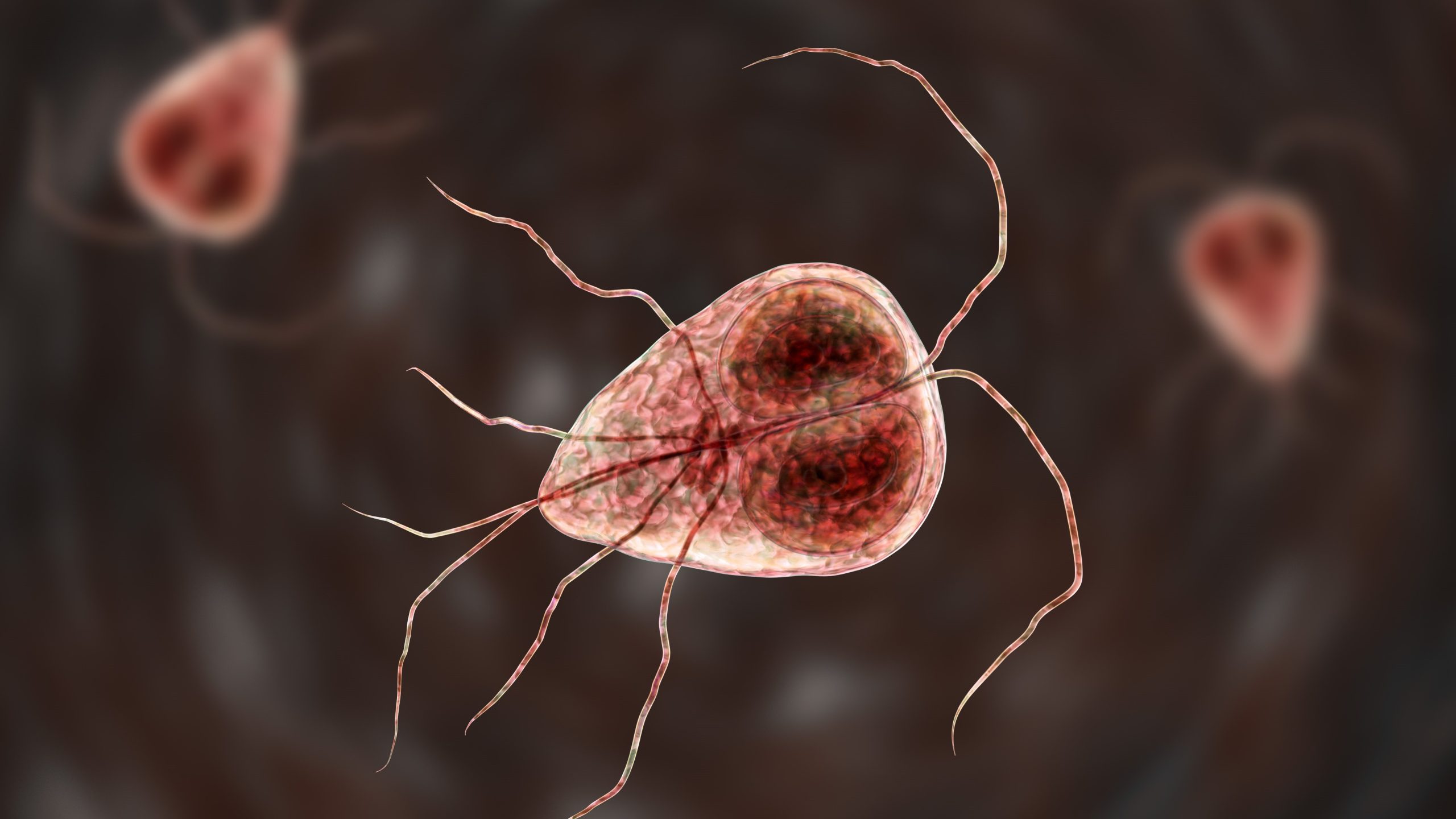
Giardiasis is an infection of the small intestine caused by a tiny parasite called Giardia lamblia. Many people with giardiasis may not show any symptoms, but when it does cause illness, it can lead to diarrhoea, stomach cramps, bloating, and fatigue. In Uganda, giardiasis is often linked to drinking untreated water or poor hygiene, making it important to recognise and manage it early. Untreated cases can affect nutrient absorption, leading to weight loss and deficiencies in vitamins, especially fats and fat-soluble vitamins.
With Hope Plus, patients who experience prolonged diarrhoea, bloating, or unexplained weight loss can quickly connect with licensed healthcare providers. Through a consultation in minutes, you can receive guidance, testing advice, and treatment recommendations tailored to your situation. Learn more at Hope Plus.
Key Takeaways
- Giardiasis is caused by Giardia lamblia, a parasite that spreads through contaminated water, food, or unwashed hands.
- Symptoms may include prolonged diarrhoea, greasy stools, stomach cramps, bloating, fatigue, and weight loss.
- The infection can lead to malabsorption of nutrients, especially fats and fat-soluble vitamins.
- Diagnosis usually involves a stool test to detect the parasite.
- Treatment involves antiparasitic medicines, and prevention focuses on hygiene and safe water.
Causes
The infection is caused by Giardia lamblia, a flagellated protozoan parasite. It spreads through:
- Drinking contaminated water
- Eating food handled with unwashed hands
- Poor sanitation or improper disposal of human faeces
Symptoms
Many people do not notice any symptoms, but when giardiasis becomes active, patients may experience:
- Prolonged diarrhoea
- Steatorrhoea (greasy or fatty stools)
- Abdominal cramps and bloating
- Fatigue and weight loss
- Malabsorption of fats and vitamins
- In severe cases, it may cause reactive arthritis or damage to the intestinal lining
When to See a Healthcare Provider
Seek care if you notice:
- Diarrhoea lasting more than a few days
- Unexplained weight loss or weakness
- Signs of dehydration such as very little urine, dizziness, or dry mouth
Diagnosis
Healthcare providers may:
- Test a stool sample for Giardia cysts or active forms (trophozoites)
- Consider other causes if diarrhoea or malabsorption persists
Treatment and Management
Treatment involves medicines given by healthcare providers:
- Metronidazole: 2 g daily after food for 3 days in adults; children receive 30 mg/kg per dose (max 1.2 g)
- Tinidazole: 2 g single dose in adults; children receive 50 mg/kg
Important precautions:
- Avoid these medicines during the first trimester of pregnancy
- Avoid alcohol during treatment and for 48 hours after taking the medicine
- Metronidazole should always be taken after food to reduce stomach upset
Healthcare providers may also recommend hydration and continued feeding to support recovery.
Prevention
Preventing giardiasis relies on good hygiene and safe water practices:
- Wash hands thoroughly before eating and after using the toilet
- Ensure proper disposal of human waste
- Drink clean, treated water and prepare food safely
Frequently Asked Questions
1. Can giardiasis go away on its own?
Mild infections may resolve without treatment, but symptoms can last for weeks. Medical treatment helps prevent complications and speeds recovery.
2. How is giardiasis diagnosed?
A healthcare provider usually requests a stool test to look for Giardia cysts or active parasites.
3. Can children get giardiasis?
Yes, children are more vulnerable, especially if they drink untreated water or have poor hygiene.
4. Is giardiasis contagious?
Yes, it spreads through contaminated food, water, or hands. Practising good hygiene prevents it from spreading.
5. Can I continue feeding my child normally?
Yes, normal feeding or breastfeeding should continue to help maintain nutrition and hydration.
6. Can giardiasis cause long-term problems?
Untreated infections may lead to nutrient deficiencies, weight loss, or intestinal damage. Prompt treatment reduces these risks.
7. How can I prevent reinfection?
Always wash hands before eating, drink safe water, and dispose of human waste properly. Avoid swallowing untreated water while swimming or playing in lakes or rivers.