

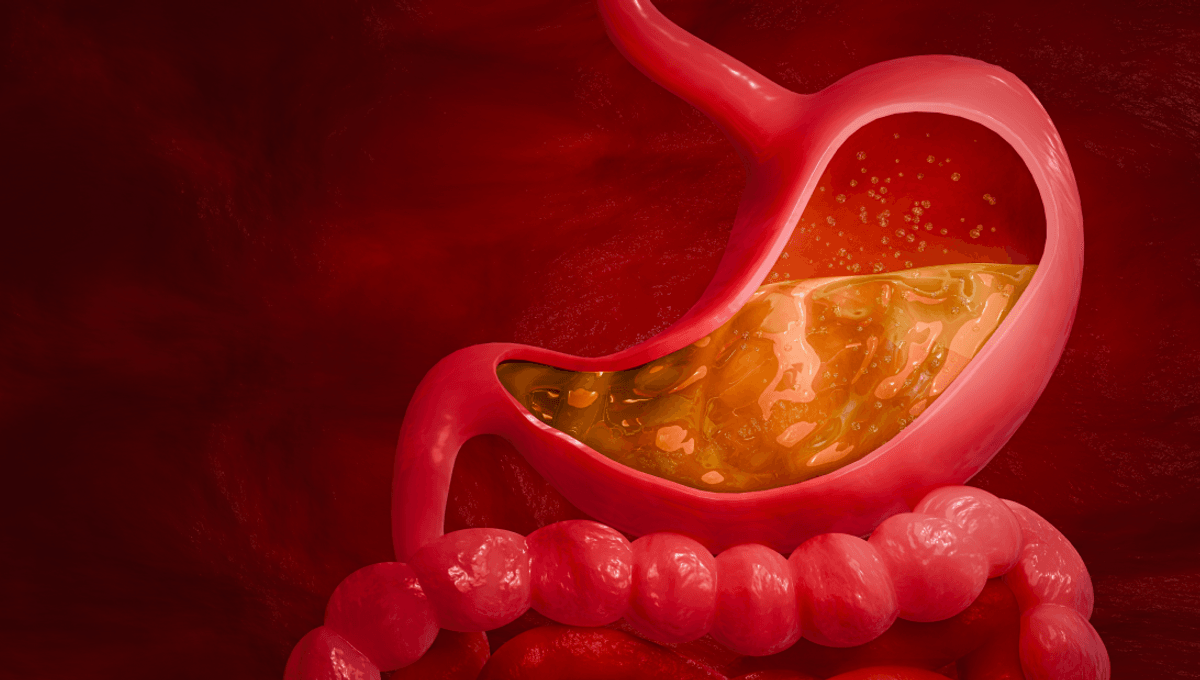
Gastroesophageal Reflux Disease, or GERD, is a condition where stomach acid flows back into the food pipe (oesophagus), causing heartburn and discomfort. It is a common cause of upper stomach and chest discomfort in Uganda, and if untreated, can lead to complications like difficulty swallowing, chronic cough, or inflammation of the oesophagus.
Hope Plus can help patients experiencing frequent heartburn or reflux by connecting them with a licensed healthcare provider in minutes. Through a quick consultation, you can get personalised advice on lifestyle changes, medications, and referrals for further tests if needed. Learn more at Hope Plus.
Key Takeaways
- GERD is caused by stomach acid flowing back into the oesophagus, leading to heartburn and sour taste.
- Predisposing factors include hiatal hernia, increased abdominal pressure, or stomach ulcers.
- Common symptoms include burning chest pain, regurgitation, bloating, belching, nausea, and chronic throat irritation.
- Complications can include difficulty swallowing, reflux-related asthma, or oesophagitis.
- Treatment focuses on lifestyle changes, antacids, and medications like omeprazole if needed.
Causes and Risk Factors
- Hiatal hernia: Part of the stomach pushes through the diaphragm.
- Increased intra-abdominal pressure: Obesity, heavy lifting, or pregnancy.
- Stomach ulcers: These can worsen reflux.
Symptoms Patients May Notice
- Heartburn: A burning sensation in the chest, often after bending, exertion, or lying down.
- Sour or unpleasant taste: Acid from the stomach may come back into the throat.
- Difficulty swallowing or pain: Oesophagitis may make swallowing uncomfortable.
- Bloating, belching, or bad breath.
- Nausea or chronic throat irritation.
Complications
If untreated, GERD can cause:
- Difficulty swallowing (dysphagia)
- Asthma symptoms triggered by acid reflux (reflux asthma)
- Chronic oesophagitis
Diagnosis
Healthcare providers may perform:
- Gastroscopy (endoscopy): To look at the oesophagus and stomach.
- Barium meal X-ray: To visualise the stomach and oesophagus.
Management and Treatment
Lifestyle Modifications
- Lose weight if overweight.
- Avoid foods and drinks that trigger reflux: alcohol, chocolate, citrus juice, tomato products, coffee, peppermint, onions, spicy or fatty foods, and carbonated beverages.
- Eat smaller meals and avoid lying down within 3 hours after eating.
- Elevate the head of the bed by 8 inches while sleeping.
- Avoid tight-fitting clothing.
Medical Treatment
- Antacids: Magnesium trisilicate compounds, 1–2 tablets every 8 hours.
- Acid suppression: Omeprazole 20 mg once daily for 8 weeks if symptoms persist and there are no alarm signs.
- Referral: If symptoms do not improve after 4 weeks of omeprazole or if alarm symptoms appear, further specialist evaluation is required.
Following these steps helps reduce discomfort, prevent complications, and improve quality of life.
Frequently Asked Questions
1. What triggers GERD?
Foods and drinks like alcohol, chocolate, citrus, tomato-based foods, coffee, and spicy or fatty meals can trigger reflux. Large meals and lying down soon after eating also increase risk.
2. Can losing weight help GERD?
Yes. Reducing excess weight lowers abdominal pressure, decreasing acid reflux.
3. Is GERD dangerous?
If untreated, GERD can lead to oesophagitis, difficulty swallowing, or reflux-induced asthma. Prompt management is important.
4. Can medicines cure GERD?
Medicines like antacids and omeprazole control symptoms and prevent complications but lifestyle changes are also essential.
5. When should I see a doctor?
See a healthcare provider if heartburn is frequent, severe, or accompanied by difficulty swallowing, vomiting, weight loss, or chest pain.
6. Can I sleep comfortably with GERD?
Yes. Elevate the head of the bed, avoid eating within 3 hours of bedtime, and sleep on your left side to reduce reflux.
7. How can Hope Plus help with GERD?
Hope Plus connects you with licensed healthcare providers who can assess symptoms, advise on diet and medications, and refer you for tests if needed.