

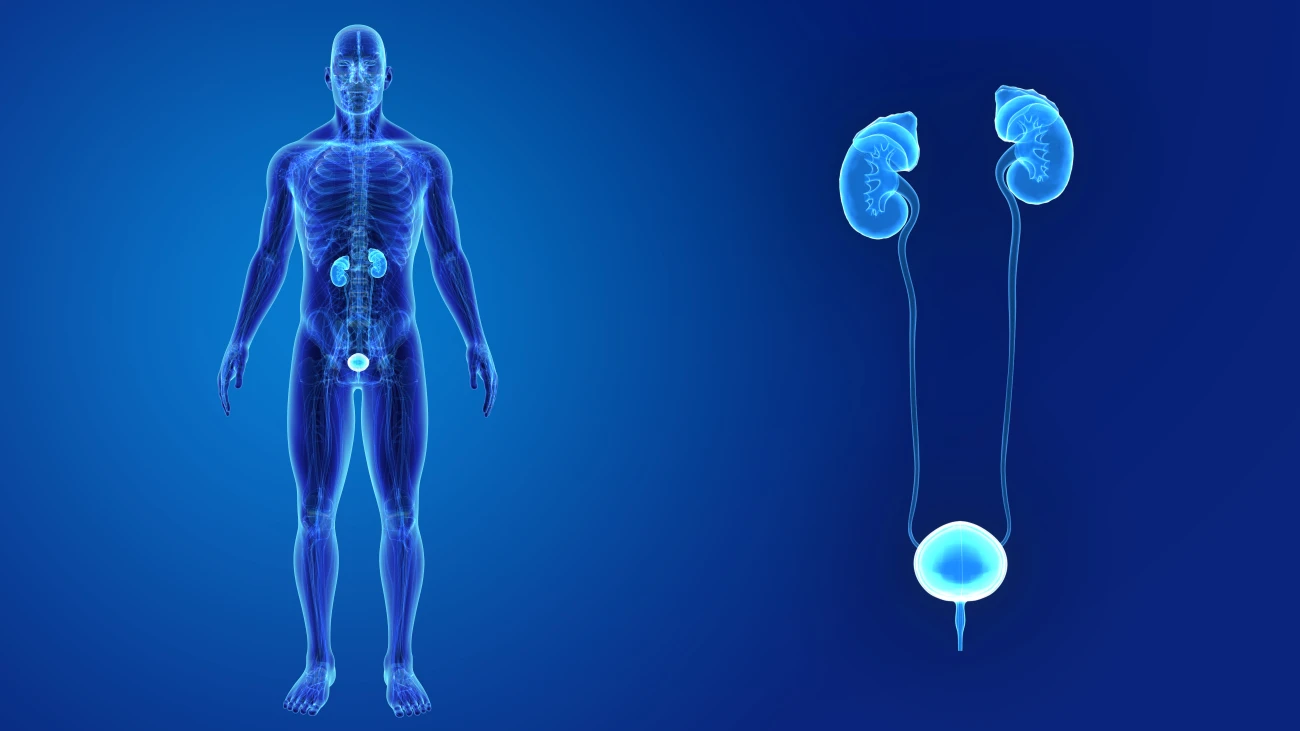
Bladder Outlet Obstruction (BOO) occurs when urine cannot flow normally out of the bladder because of a blockage somewhere below the bladder. This blockage prevents the bladder from emptying completely and can cause urine to build up inside the urinary system.
Bladder outlet obstruction can happen suddenly, causing a medical emergency known as acute urinary retention, or it can develop slowly over months or years. Without treatment, long-term obstruction can damage the bladder, kidneys, and urinary tract.
If you are having difficulty passing urine, feel unable to empty your bladder completely, or develop sudden painful inability to urinate, it is important to seek medical care immediately. Through Hope Plus, you can connect with a licensed healthcare provider in minutes to discuss your symptoms and receive guidance on whether urgent hospital treatment is needed.
Key Takeaways
- Bladder outlet obstruction occurs when urine flow out of the bladder is blocked.
- Enlarged prostate (BPH) is one of the most common causes in older men.
- Symptoms may develop gradually or occur suddenly as a medical emergency.
- Untreated obstruction can damage the kidneys and urinary tract.
- Treatment focuses on relieving the blockage and treating the underlying cause.
What Is Bladder Outlet Obstruction?
The bladder stores urine produced by the kidneys.
When a person urinates, urine flows from the bladder through the urethra and out of the body.
Bladder outlet obstruction occurs when something blocks this pathway, making it difficult or impossible for urine to leave the bladder normally.
As urine builds up, the bladder stretches and becomes enlarged. Over time, pressure can affect the kidneys and cause serious complications.
Types of Bladder Outlet Obstruction
Acute Bladder Outlet Obstruction
This occurs suddenly and causes acute urinary retention.
The patient may be completely unable to pass urine despite having a full bladder.
This is a medical emergency.
Chronic Bladder Outlet Obstruction
This develops gradually over time.
Patients may continue to pass urine but have increasing difficulty emptying the bladder completely.
Many people ignore symptoms until complications develop.
Causes of Bladder Outlet Obstruction
Benign Prostatic Hyperplasia (BPH)
An enlarged prostate is one of the most common causes of bladder outlet obstruction in older men.
As the prostate enlarges, it can squeeze the urethra and restrict urine flow.
Prostate Cancer
Cancer of the prostate can also obstruct the urinary tract and produce symptoms similar to BPH.
Bladder Stones
Stones within the bladder can block the outlet and interfere with normal urination.
Bladder Tumours
Tumours may partially or completely block urine flow.
Pelvic Masses
Large growths or masses within the pelvis can compress the urinary tract.
Rarely, pregnancy may contribute to urinary obstruction.
Neurological Conditions
Certain nerve disorders can interfere with normal bladder emptying and contribute to urinary retention.
Urinary Tract Infections
Infections can worsen existing obstruction and may trigger sudden urinary retention in some patients.
Symptoms of Bladder Outlet Obstruction
Symptoms depend on whether the blockage is acute or chronic.
Acute Bladder Outlet Obstruction
Sudden Inability to Pass Urine
The patient may feel a strong urge to urinate but be unable to pass any urine.
Severe Lower Abdominal Pain
Pain develops because the bladder becomes stretched and overfilled.
Swollen Lower Abdomen
A healthcare provider may feel a large, tender bladder in the lower abdomen.
Distress and Restlessness
The pain and pressure often make patients extremely uncomfortable.
Chronic Bladder Outlet Obstruction
Symptoms often develop slowly.
Weak Urine Stream
Urine may flow more slowly than normal.
Straining to Urinate
Patients may need to push or strain to start urination.
Hesitancy
There may be a delay before urine begins to flow.
Frequent Urination
Patients may need to urinate more often during the day.
Night-Time Urination
Many patients wake up repeatedly at night to urinate.
Feeling of Incomplete Emptying
The bladder may still feel full even after urinating.
Urgency
There may be a sudden need to urinate that is difficult to postpone.
Painless Lower Abdominal Swelling
Some patients develop a large, enlarged bladder that causes visible or palpable swelling.
Complications of Untreated Bladder Outlet Obstruction
Without treatment, obstruction can lead to serious health problems.
Recurrent Urinary Tract Infections
Urine trapped in the bladder allows bacteria to grow more easily.
Bladder Damage
The bladder muscle may become stretched and weakened.
Hydronephrosis
Pressure can cause urine to back up into the kidneys, leading to swelling of the kidneys.
Chronic Kidney Disease
Long-term obstruction may permanently damage kidney function.
Acute Kidney Injury
Severe obstruction can suddenly impair kidney function.
How Bladder Outlet Obstruction Is Diagnosed
Healthcare providers use symptoms, examination findings, and investigations to determine the cause.
Urine Tests
Urine analysis may detect:
- Infection
- Blood
- White blood cells
Urine culture may be performed when infection is suspected.
Kidney Function Tests
Blood tests help assess whether the kidneys have been affected.
Ultrasound Scan
An ultrasound can evaluate:
- Bladder size
- Amount of urine remaining after urination
- Kidney swelling
- Enlarged prostate
- Stones or masses
Specialised Investigations
Some patients may require additional tests such as:
- Cystourethrogram
- Endoscopic examinations
- Specialist imaging studies
Treatment of Bladder Outlet Obstruction
Treatment focuses on relieving the blockage and addressing the underlying cause.
Step 1: Relieve the Obstruction
The first priority is usually to drain the bladder.
Urethral Catheterisation
A urinary catheter is inserted through the urethra into the bladder.
This allows urine to drain and relieves pressure immediately.
Many patients experience rapid improvement in pain once the bladder is emptied.
Suprapubic Catheterisation
If a catheter cannot be passed through the urethra, a healthcare provider may insert a catheter directly into the bladder through the lower abdomen.
This is called a suprapubic catheter.
Step 2: Treat Any Infection
If a urinary tract infection is present, antibiotics may be prescribed based on clinical findings and laboratory results.
Step 3: Identify the Cause
Healthcare providers investigate the underlying reason for the obstruction.
Treatment depends on whether the cause is:
- Enlarged prostate
- Prostate cancer
- Bladder stones
- Tumours
- Neurological disease
- Other conditions
Step 4: Specialist Referral
Most patients require assessment by a specialist to determine the most appropriate long-term treatment.
Further procedures or surgery may be needed depending on the cause.
Living With Bladder Outlet Obstruction
Patients should attend all follow-up appointments and report any worsening symptoms promptly.
Early treatment often prevents kidney damage and other complications.
Never ignore progressive urinary symptoms, especially difficulty passing urine or recurrent urinary infections.
Prevention of Bladder Outlet Obstruction
Not all causes can be prevented, but several measures may help reduce complications.
Seek Early Treatment for Prostate Problems
Men with urinary symptoms should seek assessment before symptoms become severe.
Treat Urinary Tract Infections Promptly
Early treatment may reduce the risk of acute urinary retention.
Attend Follow-Up Appointments
Regular monitoring helps identify worsening obstruction before complications occur.
Seek Medical Attention for Persistent Urinary Symptoms
Do not ignore symptoms such as weak urine flow, straining, or incomplete bladder emptying.
When Should You Seek Emergency Care?
Seek immediate medical attention if you develop:
- Sudden inability to pass urine
- Severe lower abdominal pain
- Fever with urinary symptoms
- Blood in the urine
- Severe lower abdominal swelling
- Confusion or severe weakness
These symptoms may indicate acute urinary retention or serious complications.
Frequently Asked Questions (FAQs)
What is bladder outlet obstruction?
It is a blockage that prevents urine from leaving the bladder normally.
Is bladder outlet obstruction an emergency?
Acute urinary retention, where a person cannot pass urine at all, is a medical emergency.
What is the most common cause in older men?
Benign Prostatic Hyperplasia (BPH), or an enlarged prostate, is one of the most common causes.
Can bladder outlet obstruction damage the kidneys?
Yes. Long-term obstruction can cause kidney swelling, kidney injury, and chronic kidney disease.
What is a urinary catheter?
A urinary catheter is a tube inserted into the bladder to drain urine and relieve obstruction.
What is a suprapubic catheter?
It is a catheter inserted directly into the bladder through the lower abdomen when a urethral catheter cannot be placed.
When should I see a healthcare provider?
You should seek medical advice if you develop a weak urine stream, difficulty urinating, incomplete bladder emptying, frequent urination, or sudden inability to pass urine.