

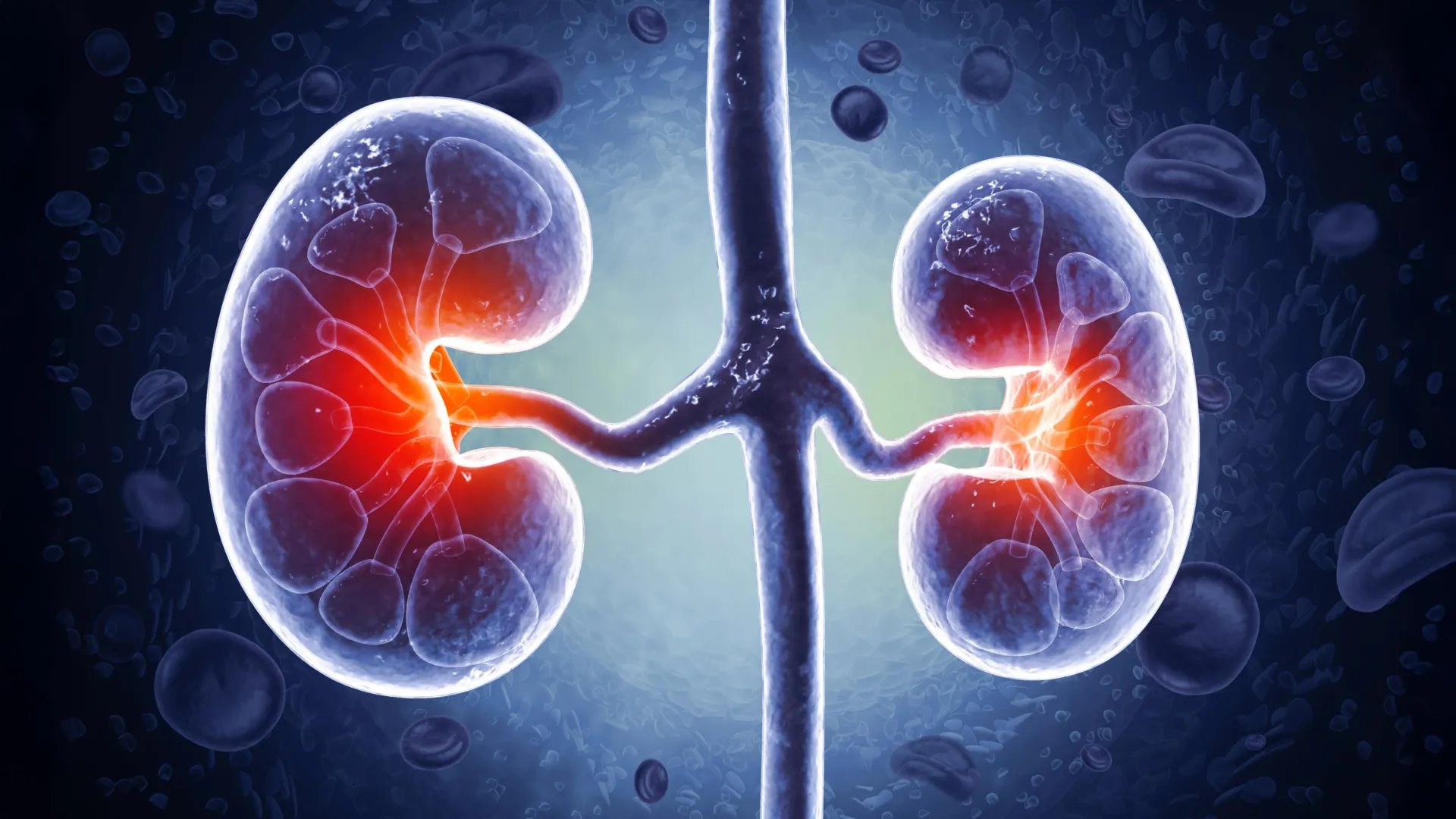
Nephrotic syndrome is a kidney condition that causes large amounts of protein to leak from the blood into the urine. Protein is important for keeping fluid inside blood vessels. When too much protein is lost through the urine, fluid leaks into surrounding tissues, causing swelling in different parts of the body.
Nephrotic syndrome is one of the most common kidney disorders affecting children, although adults can also develop the condition. With proper treatment, many patients improve significantly, but some may experience repeated episodes and require long-term follow-up.
If your child develops unexplained body swelling, especially around the eyes, feet, or abdomen, it is important to seek medical attention promptly. Through Hope Plus, you can connect with a licensed healthcare provider in minutes to discuss symptoms, understand possible causes, and receive guidance on the next steps for diagnosis and treatment.
Key Takeaways
- Nephrotic syndrome causes excessive protein loss in the urine.
- Swelling of the face, legs, abdomen, and body is the most common symptom.
- The condition is particularly common in children.
- Many cases have no identifiable cause, while others are linked to infections or underlying diseases.
- Early treatment can reduce swelling, protect kidney function, and improve recovery.
What Is Nephrotic Syndrome?
The kidneys normally filter waste products from the blood while keeping important substances, such as proteins, inside the body.
In nephrotic syndrome, the kidney filters become damaged and allow large amounts of protein to leak into the urine. As protein levels in the blood fall, fluid moves into body tissues, causing swelling.
The condition is defined by several key features:
- Large amounts of protein in the urine (proteinuria)
- Low levels of albumin in the blood (hypoalbuminaemia)
- Generalised body swelling (oedema)
- Increased cholesterol levels (hyperlipidaemia)
Causes of Nephrotic Syndrome
Idiopathic Nephrotic Syndrome
Most cases, especially in children, have no clearly identifiable cause. These are called idiopathic cases.
Congenital Nephrotic Syndrome
Rarely, children are born with kidney abnormalities that cause nephrotic syndrome from infancy.
Secondary Causes
Nephrotic syndrome may develop as a result of another illness or infection.
Possible causes include:
- Acute post-streptococcal glomerulonephritis
- Malaria
- Allergic conditions
- Urinary tract infections
- Hepatitis B infection
- HIV infection
Who Is Most Commonly Affected?
Nephrotic syndrome can occur at any age but is particularly common in children.
Many cases are first noticed when parents observe swelling around the eyes or unusual body swelling that does not improve.
Symptoms of Nephrotic Syndrome
Symptoms usually develop gradually over days or weeks.
Swelling Around the Eyes
One of the earliest signs is puffiness around the eyes, especially in the morning.
Parents may initially think the child is tired or has allergies.
Generalised Body Swelling
As the condition progresses, swelling may affect:
- Feet
- Ankles
- Legs
- Hands
- Abdomen
- Face
Severe cases may cause swelling throughout the body.
Weight Gain
Fluid retention can cause rapid weight gain even though the patient is not eating more food.
Reduced Urine Output
Some patients pass less urine than usual because fluid accumulates in body tissues instead of being removed through the kidneys.
Tiredness and Weakness
Low protein levels can contribute to fatigue and reduced activity.
Loss of Appetite
Some patients may eat less because of abdominal discomfort or general illness.
Why Does Swelling Occur?
Albumin is a protein that helps keep fluid inside blood vessels.
When large amounts of albumin are lost through the urine:
- Protein levels in the blood fall.
- Fluid leaks from blood vessels into surrounding tissues.
- Swelling develops in different parts of the body.
This explains why nephrotic syndrome often causes widespread swelling rather than swelling in a single area.
How Nephrotic Syndrome Is Diagnosed
Healthcare providers use a combination of symptoms, physical examination, and laboratory tests.
Urine Tests
Urine testing helps confirm excessive protein loss.
Tests may include:
- Urine dipstick testing
- Urine microscopy
- Albumin-to-creatinine ratio (ACR)
- 24-hour urine protein measurement
Blood Tests
Blood tests may assess:
- Albumin levels
- Total protein levels
- Cholesterol levels
- Kidney function
- Electrolytes
Additional Tests
Healthcare providers may investigate underlying causes such as:
- Recent streptococcal infection
- Malaria
- HIV
- Hepatitis B
Treatment of Nephrotic Syndrome
Treatment aims to reduce swelling, stop protein loss, prevent complications, and manage any underlying causes.
Step 1: Restrict Salt Intake
Reducing salt intake helps decrease fluid retention and swelling.
Healthcare providers often recommend limiting salt to less than half a teaspoon daily.
Foods high in salt may need to be reduced or avoided.
Step 2: Moderate Fluid Intake
Fluid intake may be restricted when swelling is severe.
Both salt and fluid restriction are usually continued until swelling begins to improve.
Recovery can take several weeks.
Step 3: Remove Excess Fluid
Medicines such as furosemide may be prescribed to help the body remove excess fluid through urine.
Healthcare providers monitor the response carefully because excessive fluid loss can also cause complications.
Step 4: Treat Kidney Inflammation
Prednisolone is commonly used in many children with nephrotic syndrome.
Treatment is usually continued until protein is no longer detected in the urine.
After improvement occurs, healthcare providers gradually reduce the dose over time rather than stopping treatment suddenly.
Regular follow-up is important while receiving steroid treatment.
Step 5: Manage High Blood Pressure
Some patients develop high blood pressure.
Blood pressure is monitored regularly and treated if necessary.
Step 6: Treat Underlying Infections
If an active streptococcal infection is present or suspected, antibiotics may be prescribed.
Healthcare providers select the most appropriate antibiotic based on the patient’s age, symptoms, and medical history.
Step 7: Treat Schistosomiasis Where Relevant
In areas where schistosomiasis is common, healthcare providers may recommend treatment with praziquantel if infection is suspected or confirmed.
What Happens If Treatment Does Not Work?
Some patients do not improve as expected or may experience repeated relapses.
Specialist referral is often recommended when:
- There is no improvement after four weeks of treatment
- Symptoms return repeatedly
- Kidney function worsens
- The diagnosis is uncertain
Further investigations and specialised treatments may be required.
Possible Complications of Nephrotic Syndrome
Without proper treatment, nephrotic syndrome can lead to:
- Severe swelling
- Recurrent infections
- Blood clots
- High blood pressure
- Malnutrition
- Kidney damage
- Reduced quality of life
Regular follow-up helps identify and manage these complications early.
Conditions That Can Be Mistaken for Nephrotic Syndrome
Healthcare providers may consider other conditions that can also cause swelling, including:
- Heart failure
- Chronic liver disease
- Severe malnutrition such as kwashiorkor
- Malabsorption disorders
- Allergic reactions causing widespread swelling
- Chronic glomerulonephritis
Laboratory tests help distinguish between these conditions.
Prevention of Nephrotic Syndrome
Because many cases have no known cause, prevention is not always possible.
However, the risk of secondary nephrotic syndrome may be reduced by:
- Prompt treatment of throat infections
- Early treatment of urinary tract infections
- Preventing and treating malaria
- Managing HIV effectively
- Seeking medical attention for unexplained swelling
- Attending follow-up appointments as advised
When Should You Seek Urgent Medical Care?
Seek immediate medical attention if you or your child develops:
- Rapidly worsening body swelling
- Difficulty breathing
- Severe reduction in urine output
- Severe headaches
- High blood pressure symptoms
- Persistent fever
- Unusual drowsiness or weakness
These may indicate serious complications requiring urgent treatment.
Frequently Asked Questions (FAQs)
What is the main sign of nephrotic syndrome?
The most common sign is swelling, especially around the eyes, feet, legs, and abdomen.
Is nephrotic syndrome common in children?
Yes. It is one of the most common kidney conditions affecting children.
Why does nephrotic syndrome cause swelling?
The kidneys leak protein into the urine, causing protein levels in the blood to fall. This allows fluid to move into body tissues and cause swelling.
Can nephrotic syndrome be cured?
Many children respond very well to treatment and achieve complete remission. However, some patients may experience relapses and require ongoing monitoring.
Is nephrotic syndrome contagious?
No. Nephrotic syndrome itself is not contagious.
Can infections trigger nephrotic syndrome?
Yes. Certain infections such as streptococcal infections, malaria, hepatitis B, and HIV can contribute to the development of nephrotic syndrome.
When should a patient be referred to a specialist?
Referral is usually recommended when treatment is not working, symptoms keep returning, kidney function worsens, or the diagnosis is unclear.