

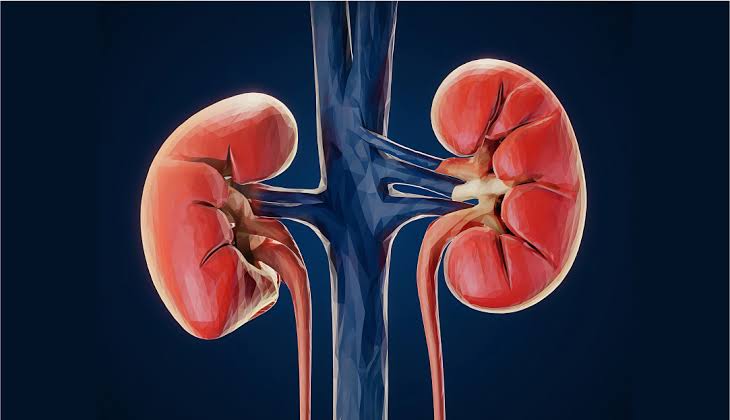
Glomerulonephritis is a condition where the tiny filtering units inside the kidneys, called glomeruli, become inflamed. These filters are responsible for removing waste products and excess fluid from the blood. When they become damaged or inflamed, the kidneys may not work properly.
Glomerulonephritis often develops after the body’s immune system reacts to an infection. In Uganda, it commonly occurs a few weeks after a streptococcal throat infection or skin infection, particularly in children and adolescents. While many patients recover completely with proper care, severe cases can lead to kidney damage, high blood pressure, or kidney failure if treatment is delayed.
If your child develops swelling around the eyes, passes red or tea-coloured urine, or develops symptoms after a recent throat or skin infection, it is important to seek medical attention promptly. Through Hope Plus, you can quickly connect with a licensed healthcare provider who can assess symptoms, explain possible causes, and advise whether urgent hospital care is needed.
Key Takeaways
- Glomerulonephritis is inflammation of the kidney’s filtering units.
- It often develops 1 to 5 weeks after a streptococcal throat or skin infection.
- Common symptoms include red or tea-coloured urine, swelling around the eyes, and high blood pressure.
- Children and adolescents are most commonly affected.
- Early treatment and monitoring can help prevent serious kidney complications.
What Is Glomerulonephritis?
The kidneys contain millions of tiny filters called glomeruli. These filters remove waste products and extra fluid from the blood while keeping important substances in the body.
In glomerulonephritis, these filters become inflamed. As a result, blood and protein may leak into the urine, and the kidneys may struggle to remove excess fluid and waste products.
The condition can range from mild to severe. Some patients recover fully, while others may require specialised treatment and close monitoring.
Causes of Glomerulonephritis
Immune Reaction After Infection
The most common cause of acute glomerulonephritis is an immune reaction that occurs after a streptococcal infection.
The infection may involve:
- The throat (strep throat or tonsillitis)
- The skin (skin sores or skin infections)
In many cases, kidney symptoms begin 1 to 5 weeks after the original infection appears to have improved.
The problem is not caused by the bacteria directly attacking the kidneys. Instead, the body’s immune response accidentally triggers inflammation within the kidney filters.
Who Is Most at Risk?
Glomerulonephritis can affect people of all ages, but it is most common in:
- Children older than 3 years
- School-aged children
- Adolescents
The condition is less common in adults but can still occur.
Symptoms of Glomerulonephritis
Symptoms may develop suddenly and can vary depending on the severity of kidney inflammation.
Red or Tea-Coloured Urine
One of the most noticeable symptoms is blood in the urine.
Patients or parents may notice urine that appears:
- Red
- Brown
- Tea-coloured
- Cola-coloured
Sometimes blood is only detected through laboratory testing.
Swelling Around the Eyes and Face
Many children develop puffiness around the eyes, especially in the morning.
Swelling may also affect:
- The face
- Feet
- Legs
- Hands
In severe cases, swelling can involve the whole body.
Passing Less Urine Than Normal
The kidneys may produce less urine than usual.
Parents may notice that a child is urinating less frequently or producing smaller amounts of urine.
High Blood Pressure
Kidney inflammation can cause blood pressure to rise.
Symptoms of high blood pressure may include:
- Headaches
- Blurred vision
- Dizziness
- Vomiting
Tiredness and General Weakness
Children may appear:
- Less active than usual
- Easily tired
- Weak
- Generally unwell
Loss of Appetite
Many patients experience reduced appetite and may refuse food.
Pain in the Side, Back, or Abdomen
Some patients develop discomfort around the kidney area or abdomen.
Shortness of Breath
In severe cases, excess fluid may accumulate in the lungs, causing breathing difficulties.
Convulsions or Seizures
Very high blood pressure can occasionally lead to seizures, which require emergency medical care.
Signs of a Recent Streptococcal Infection
Healthcare providers will often ask about recent infections because they can help identify the cause.
Signs may include:
Recent Throat Infection
Symptoms may have included:
- Sore throat
- Fever
- Swollen neck glands
- Tonsillitis
Recent Skin Infection
Some patients develop glomerulonephritis after:
- Infected skin sores
- Skin ulcers
- Other bacterial skin infections
How Glomerulonephritis Is Diagnosed
Healthcare providers will assess symptoms, examine the patient, and perform laboratory tests.
Urine Tests
Urine tests help detect:
- Blood in the urine
- Protein in the urine
- White blood cells
- Abnormal kidney cells and casts
Blood Tests
Blood tests may include:
- Creatinine
- Urea
- Electrolytes
- Antistreptolysin O titre (ASOT) to look for evidence of recent streptococcal infection
Kidney Ultrasound
An ultrasound scan may be performed to assess kidney size and structure and rule out other kidney problems.
Treatment of Glomerulonephritis
Because glomerulonephritis can affect kidney function and blood pressure, patients often require hospital assessment and monitoring.
Children and patients with significant swelling, reduced urine output, or high blood pressure may be referred to specialised centres for further management.
Step 1: Close Monitoring
Healthcare providers carefully monitor:
- Urine output
- Blood pressure
- Daily weight
- Kidney function
Monitoring helps identify complications early.
Step 2: Control Fluid Intake
If urine output is reduced, fluid intake may be limited to prevent fluid overload.
Healthcare providers determine the appropriate amount of fluid based on the patient’s condition.
Step 3: Dietary Changes
When kidney function is affected, healthcare providers may recommend:
Reduced Salt Intake
Limiting salt helps reduce swelling and control blood pressure.
Controlled Protein Intake
Protein intake may be adjusted if kidney function becomes significantly impaired.
Step 4: Treat the Underlying Streptococcal Infection
If a recent streptococcal infection is suspected or confirmed, antibiotics may be prescribed.
Treatment may include:
- Phenoxymethylpenicillin
- Amoxicillin
For patients with penicillin allergy:
- Erythromycin may be used
Healthcare providers determine the most appropriate antibiotic and dose based on age and individual circumstances.
Step 5: Treat Fluid Overload
Patients with significant swelling may receive medicines such as furosemide.
Furosemide may be given through a vein in hospital to help remove excess fluid from the body.
Step 6: Control High Blood Pressure
High blood pressure requires prompt treatment to prevent complications.
Medicines such as nifedipine may be used under medical supervision.
Children with severe hypertension often require specialist care.
Possible Complications
Without proper treatment, glomerulonephritis can lead to:
- Severe swelling
- Dangerous high blood pressure
- Fluid accumulation in the lungs
- Kidney failure
- Seizures
- Long-term kidney damage
Early diagnosis and treatment greatly reduce the risk of these complications.
When Should You Seek Urgent Medical Care?
Seek immediate medical attention if you or your child develops:
- Red or tea-coloured urine
- Swelling around the eyes or body
- Severe headaches
- Blurred vision
- Difficulty breathing
- Convulsions or seizures
- Very little urine output
These symptoms may indicate serious kidney involvement and require urgent evaluation.
Prevention of Glomerulonephritis
Although not all cases can be prevented, several measures can reduce the risk.
Treat Throat Infections Early
Prompt treatment of bacterial throat infections can reduce the risk of complications.
Treat Skin Infections Promptly
Skin infections should be assessed and treated early to prevent immune-related complications.
Reduce Overcrowding
Overcrowded living conditions increase the spread of infections that may trigger glomerulonephritis.
Improve Ventilation
Good airflow within homes helps reduce the spread of respiratory infections.
Encourage Good Hygiene
Regular handwashing and proper wound care can help prevent infections.
Frequently Asked Questions (FAQs)
Is glomerulonephritis the same as a kidney infection?
No. Glomerulonephritis is inflammation of the kidney’s filtering units, while a kidney infection is caused by bacteria directly infecting the kidney tissue.
Can glomerulonephritis occur after a sore throat?
Yes. Many cases develop 1 to 5 weeks after a streptococcal throat infection.
Why does the urine become tea-coloured?
Inflamed kidney filters may allow blood to leak into the urine, causing it to appear red, brown, or tea-coloured.
Is glomerulonephritis common in children?
Yes. It is most commonly seen in children older than 3 years and adolescents.
Can glomerulonephritis cause high blood pressure?
Yes. Kidney inflammation can lead to significant increases in blood pressure, which may require treatment.
Will my child recover completely?
Many children recover fully with appropriate medical care. However, close follow-up is important to ensure kidney function returns to normal.
When should I worry about swelling around the eyes?
Swelling around the eyes, especially when accompanied by dark urine, reduced urine output, or high blood pressure, should be assessed by a healthcare provider as soon as possible.