

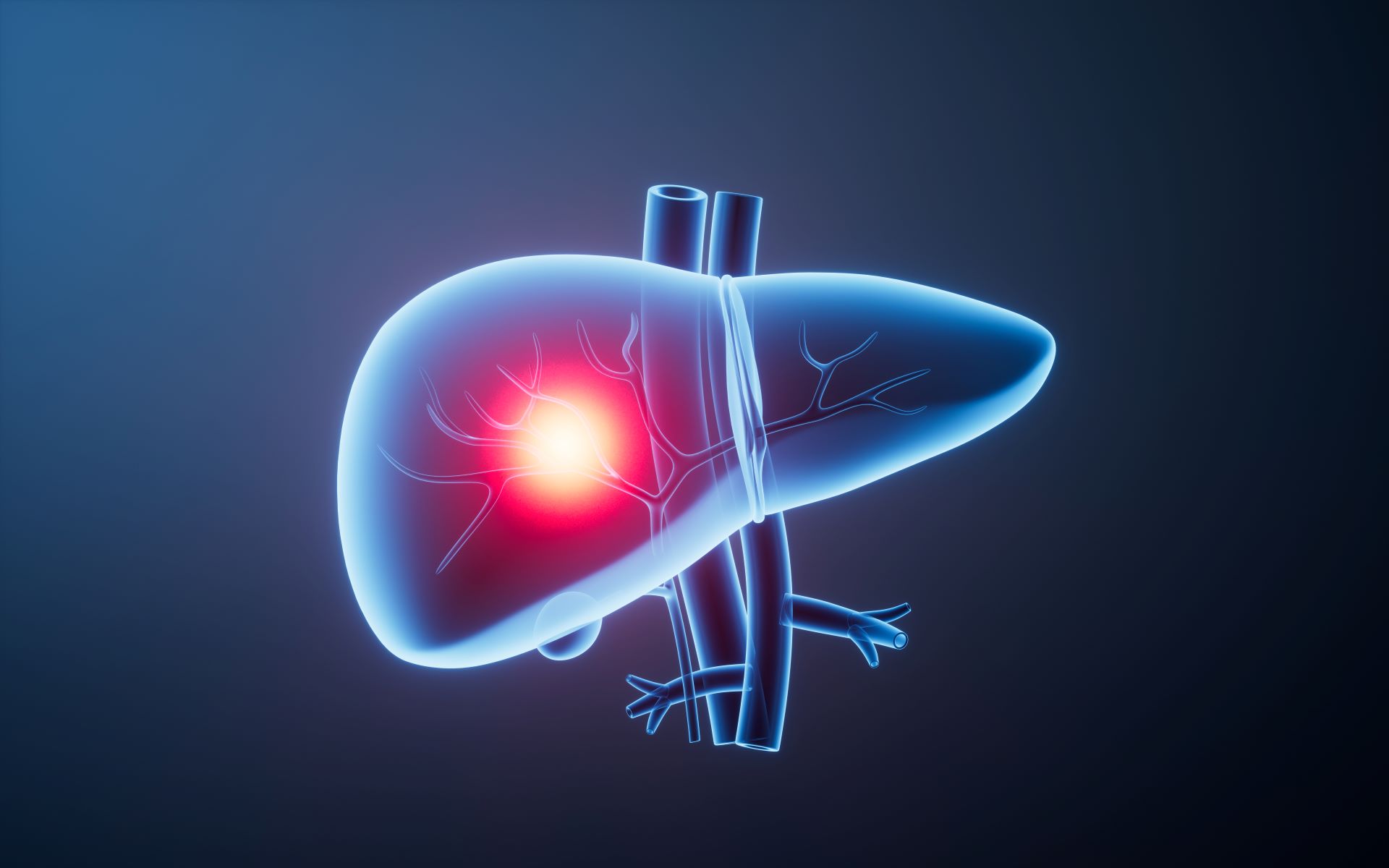
Hepatic schistosomiasis is a liver disease caused by long-term infection with a parasite called Schistosoma mansoni. It is one of the most common causes of liver disease in communities where schistosomiasis is common, particularly in areas near lakes, rivers, and wetlands in Uganda.
The condition develops when parasite eggs become trapped in the liver and trigger inflammation and scarring over many years. Although many people with schistosomiasis may feel well at first, untreated infection can eventually lead to serious complications such as enlarged veins in the food pipe, internal bleeding, severe anaemia, and enlargement of the spleen.
If you live in an area where schistosomiasis is common or have previously been treated for bilharzia, regular medical follow-up can help detect complications early. Through Hope Plus, patients can quickly connect with a licensed healthcare provider for assessment, advice, and referral when symptoms of liver disease or schistosomiasis-related complications develop.
Key Takeaways
- Hepatic schistosomiasis is caused by long-term infection with Schistosoma mansoni.
- It is a common cause of liver disease in some parts of Uganda.
- The condition can lead to portal hypertension, enlarged veins in the oesophagus, and life-threatening bleeding.
- Early diagnosis and treatment of schistosomiasis can help prevent serious complications.
- Regular monitoring is important for people with established liver involvement.
What Is Hepatic Schistosomiasis?
Hepatic schistosomiasis is liver damage caused by schistosomiasis, a parasitic disease sometimes called bilharzia.
People become infected when they come into contact with freshwater containing the parasite. The parasite enters the body through the skin and eventually settles in blood vessels around the intestines.
The adult parasites lay eggs, and some of these eggs become trapped in the liver. Over time, the body’s immune response to the eggs causes inflammation and scarring, known as fibrosis.
This scarring can interfere with normal blood flow through the liver and lead to serious complications.
What Causes Hepatic Schistosomiasis?
Infection with Schistosoma Mansoni
The condition is caused by infection with Schistosoma mansoni, a parasite commonly found in certain freshwater environments.
The parasite is especially common in communities located near:
- Lakes
- Rivers
- Wetlands
- Irrigation channels
- Fishing communities
Liver Scarring from Trapped Eggs
The liver damage is not caused directly by the adult worms.
Instead, it occurs because parasite eggs become trapped in liver tissues and blood vessels, leading to chronic inflammation and fibrosis.
Who Is at Risk?
The risk is higher in people who:
- Live near lakes, rivers, or wetlands
- Frequently swim, bathe, fish, or wash clothes in freshwater sources
- Have a history of schistosomiasis infection
- Live in communities where Schistosoma mansoni is common
- Have repeated exposure to contaminated water
In Uganda, communities around major water bodies are particularly affected.
Symptoms of Hepatic Schistosomiasis
Symptoms vary depending on the severity of liver involvement and complications.
Enlarged Spleen
Many patients develop splenomegaly, which means enlargement of the spleen.
This may cause:
- Fullness in the upper left side of the abdomen
- Abdominal discomfort
- A feeling of pressure after eating
In severe cases, the enlarged spleen may be at risk of rupture.
Upper Gastrointestinal Bleeding
One of the most serious complications is bleeding from enlarged veins in the oesophagus, known as oesophageal varices.
Symptoms may include:
- Vomiting blood
- Passing black, tarry stools
- Dizziness
- Weakness
- Fainting
This is a medical emergency.
Bloody Diarrhoea
Some patients may continue to experience intestinal symptoms such as bloody diarrhoea.
Anaemia
Repeated blood loss and chronic illness can lead to anaemia.
Symptoms may include:
- Fatigue
- Weakness
- Dizziness
- Pale skin
Growth Problems in Children
Children with long-term schistosomiasis may develop stunted growth and poor physical development.
Complications of Hepatic Schistosomiasis
If left untreated, the condition can lead to several serious complications.
Portal Hypertension
Scarring around liver blood vessels increases pressure in the portal vein system.
This is known as portal hypertension.
Oesophageal Varices
Increased pressure can cause veins in the food pipe to enlarge and become prone to bleeding.
Portal Vein Thrombosis
Some patients develop blood clots within the portal vein.
Thrombocytopenia
An enlarged spleen may trap blood cells, causing a low platelet count.
This can increase the risk of bleeding.
Splenic Rupture
In rare cases, a severely enlarged spleen can rupture and cause internal bleeding.
How Is Hepatic Schistosomiasis Diagnosed?
Healthcare providers use a combination of medical history, examination, and investigations.
Liver Ultrasound Scan
Ultrasound is one of the most important tests.
Healthcare providers look for characteristic patterns of liver scarring and thickening of the portal vein.
These findings are often assessed using standards developed by the World Health Organization.
Endoscopy
Patients may undergo an upper gastrointestinal endoscopy to check for oesophageal varices.
This is especially important in patients with signs of portal hypertension.
Tests for Schistosomiasis
Laboratory tests may be performed to detect schistosoma eggs and confirm active infection.
Blood Tests
Blood tests may be used to assess:
- Anaemia
- Platelet levels
- Liver function
- Other complications
Treatment of Hepatic Schistosomiasis
Treatment focuses on eliminating active infection, managing complications, and preventing bleeding.
Step 1: Specialist Assessment
Patients with liver complications from schistosomiasis are usually referred to a specialist for further evaluation and ongoing care.
Step 2: Treatment of Active Schistosomiasis
If schistosoma eggs are detected, healthcare providers may prescribe praziquantel.
Praziquantel is the standard medicine used to treat schistosomiasis and is usually given as a single dose based on body weight.
Step 3: Correct Anaemia
If anaemia is present, healthcare providers will determine the cause and provide appropriate treatment.
This may include:
- Iron supplementation when needed
- Treatment of bleeding
- Blood transfusion in severe cases
Step 4: Monitor for Oesophageal Varices
Regular endoscopy may be recommended to detect enlarged veins before they bleed.
Step 5: Prevent Bleeding
Patients at risk of variceal bleeding may receive preventive treatment.
This may include:
Beta Blocker Medicines
Medicines such as propranolol may be prescribed to reduce pressure in blood vessels and lower the risk of bleeding.
Endoscopic Band Ligation
During endoscopy, enlarged veins may be treated with small bands to reduce the risk of rupture and bleeding.
Step 6: Treat Acute Bleeding
If bleeding occurs, emergency treatment is required.
Hospital treatment may include:
- Emergency assessment and monitoring
- Blood transfusions if necessary
- Endoscopic procedures to stop bleeding
- Treatment of complications related to portal hypertension
Can Hepatic Schistosomiasis Be Prevented?
Prevention focuses on reducing exposure to schistosomiasis and treating infections early.
Important measures include:
- Avoiding contact with potentially contaminated freshwater when possible
- Participating in community deworming programmes
- Seeking treatment promptly when schistosomiasis is diagnosed
- Improving sanitation and access to safe water
- Attending follow-up appointments if liver complications have already developed
When Should You Seek Emergency Medical Care?
Go to a health facility immediately if you develop:
- Vomiting blood
- Black, tarry stools
- Severe dizziness or fainting
- Sudden severe abdominal pain
- Signs of severe anaemia
- Symptoms of internal bleeding
These may indicate a life-threatening complication.
Frequently Asked Questions (FAQ)
1. What is hepatic schistosomiasis?
It is liver disease caused by long-term infection with the parasite Schistosoma mansoni.
2. How do people get schistosomiasis?
People become infected through contact with freshwater containing the parasite, which enters the body through the skin.
3. Is hepatic schistosomiasis common in Uganda?
Yes. It is particularly common in communities living near lakes, rivers, and other freshwater sources where Schistosoma mansoni is present.
4. Can schistosomiasis cause liver damage?
Yes. Repeated exposure and long-term infection can lead to liver scarring, portal hypertension, and serious complications.
5. What is the treatment for hepatic schistosomiasis?
Active infection is treated with praziquantel, while complications such as anaemia, portal hypertension, and oesophageal varices require additional medical management.
6. Can hepatic schistosomiasis cause bleeding?
Yes. Enlarged veins in the oesophagus can rupture and cause severe internal bleeding, which is a medical emergency.
7. Can hepatic schistosomiasis be prevented?
Yes. Avoiding contaminated water, participating in deworming programmes, and seeking prompt treatment for schistosomiasis can reduce the risk of complications.