

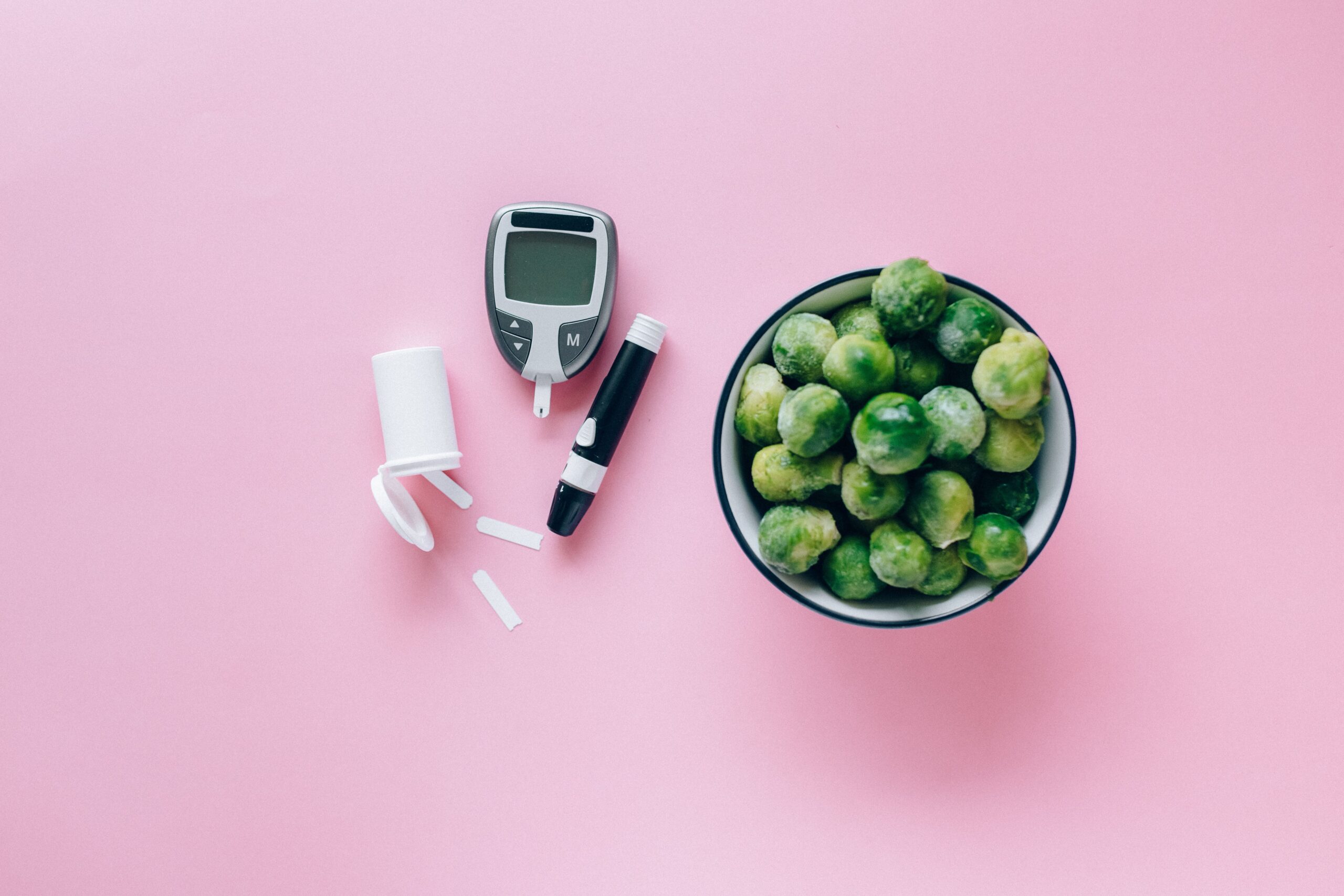
Diabetes mellitus, commonly called diabetes, is a long-term condition that affects how the body uses glucose (sugar). Glucose is the body’s main source of energy, but it needs a hormone called insulin to move from the bloodstream into the cells. In people with diabetes, the body either does not produce enough insulin, does not use insulin properly, or both. As a result, blood sugar levels become too high.
Diabetes is becoming increasingly common in Uganda and affects people of all ages. If left untreated, it can damage the eyes, kidneys, nerves, heart, and blood vessels. The good news is that early diagnosis, healthy lifestyle changes, and proper treatment can help people with diabetes live long and healthy lives.
If you are experiencing symptoms such as excessive thirst, frequent urination, unexplained weight loss, or constant tiredness, it is important to seek medical advice. Through Hope Plus, you can connect with a licensed healthcare provider within minutes to discuss your symptoms, receive guidance, and learn about the next steps for testing and treatment.
Key Takeaways
- Diabetes occurs when the body cannot properly control blood sugar levels.
- The main types are Type 1 diabetes, Type 2 diabetes, and gestational diabetes.
- Common symptoms include excessive thirst, frequent urination, increased hunger, and unexplained weight loss.
- Untreated diabetes can lead to blindness, kidney disease, stroke, heart disease, and amputations.
- Healthy eating, regular exercise, and proper treatment can help prevent complications.
What Is Diabetes Mellitus?
Diabetes mellitus is a metabolic disease that causes high levels of sugar in the blood.
Normally, insulin helps move glucose from the bloodstream into the body’s cells, where it is used for energy. In diabetes, this process does not work properly, leading to a build-up of sugar in the blood.
Over time, high blood sugar can damage many organs and tissues throughout the body.
Types of Diabetes
Type 1 Diabetes
Type 1 diabetes occurs when the body’s immune system mistakenly attacks the cells in the pancreas that produce insulin.
As a result, the body produces very little or no insulin.
Type 1 diabetes often begins during childhood, adolescence, or early adulthood, although it can occur at any age.
People with Type 1 diabetes require insulin treatment for survival.
Type 2 Diabetes
Type 2 diabetes is the most common form of diabetes.
In this condition, the body becomes resistant to insulin, meaning it does not respond properly to the hormone. Over time, insulin production may also decrease.
Type 2 diabetes usually develops in adulthood but is increasingly being diagnosed in younger people because of rising rates of obesity and physical inactivity.
Gestational Diabetes
Gestational diabetes develops during pregnancy.
It can affect both the mother and baby if not properly managed. In many cases, blood sugar levels return to normal after delivery, but women who develop gestational diabetes have a higher risk of developing Type 2 diabetes later in life.
Secondary Diabetes
Secondary diabetes occurs as a result of another medical condition or treatment.
Examples include:
- Chronic pancreatitis
- Cushing’s syndrome
- Certain medications
- Other diseases affecting the pancreas
Risk Factors for Diabetes
Risk Factors for Type 1 Diabetes
The exact cause is not fully understood, but risk factors include:
- Family history
- Genetic factors
- Certain viral infections
- Environmental factors
Risk Factors for Type 2 Diabetes
Non-Modifiable Risk Factors
These are factors that cannot be changed:
- Age above 40 years
- Family history of diabetes
- Previous gestational diabetes
- Previous delivery of a baby weighing more than 4 kg
Modifiable Risk Factors
These are factors that can often be improved:
- Unhealthy diet
- Physical inactivity
- Overweight and obesity
- Smoking
- Harmful alcohol use
- High blood pressure
- High cholesterol levels
- Chronic stress
- Prediabetes or impaired glucose tolerance
Symptoms of Diabetes
Some people develop symptoms gradually, while others become unwell more quickly.
Classic Symptoms
Frequent Urination (Polyuria)
People may urinate more often than usual, especially during the night.
Excessive Thirst (Polydipsia)
Many people feel thirsty all the time and drink large amounts of water.
Increased Hunger (Polyphagia)
People may feel hungry more often, even after eating.
Nerve Symptoms
High blood sugar can affect nerves, causing:
- Burning sensations
- Pins and needles
- Tingling
- Numbness in the hands or feet
Other Common Symptoms
- Unexplained weight loss
- Constant tiredness
- Blurred vision
- Frequent skin infections
- Recurrent boils
- Itching around the genital area
- Slow-healing wounds
- Bed-wetting in children who were previously dry at night
Symptoms of Type 2 Diabetes
Many people with Type 2 diabetes have few symptoms initially.
Some only discover they have diabetes during routine screening or after developing complications.
Complications of Diabetes
Poorly controlled diabetes can lead to serious health problems.
Acute Complications
These can develop suddenly and require urgent treatment.
They include:
- Diabetic ketoacidosis
- Hyperosmolar hyperglycaemic state
- Severe low blood sugar (hypoglycaemia)
- Diabetic coma
Long-Term Complications
Eye Problems (Diabetic Retinopathy)
High blood sugar can damage the small blood vessels in the eyes and may lead to blindness if untreated.
Kidney Disease (Diabetic Nephropathy)
Diabetes is one of the leading causes of kidney failure.
Nerve Damage (Diabetic Neuropathy)
Nerve damage may cause pain, numbness, tingling, and loss of sensation.
Heart Disease and Stroke
People with diabetes have a significantly increased risk of:
- Heart attack
- Stroke
- Peripheral artery disease
Diabetic Foot Problems
Poor circulation and nerve damage can cause foot ulcers, infections, and in severe cases, amputations.
Sexual Dysfunction
Diabetes can contribute to erectile dysfunction in men.
How Is Diabetes Diagnosed?
A healthcare provider may recommend one or more tests.
Blood Sugar Tests
Diabetes may be diagnosed if:
- Fasting blood sugar is 7.0 mmol/L or higher
- Blood sugar two hours after a glucose test is 11.1 mmol/L or higher
- Random blood sugar is 11.1 mmol/L or higher in someone with typical symptoms
HbA1c Test
HbA1c measures average blood sugar levels over the previous two to three months.
A result of 6.5% or higher may indicate diabetes.
Urine Tests
Urine may be checked for:
- Glucose
- Ketones
Additional Tests
Healthcare providers may also assess:
- Kidney function
- Cholesterol levels
- Heart health
- Protein in urine
Important Note
A single mildly elevated blood sugar result is usually not enough to diagnose diabetes if symptoms are absent. Repeat testing is often needed.
Goals of Diabetes Treatment
Treatment aims to:
- Control blood sugar levels
- Prevent complications
- Reduce cardiovascular risk
- Improve quality of life
Lifestyle Management
Lifestyle changes are important for all types of diabetes.
Healthy Eating
Healthcare providers may recommend:
- More vegetables and fruits
- Whole grains
- Lean protein sources
- Reduced sugary drinks and snacks
- Portion control
Physical Activity
Regular exercise helps improve blood sugar control and overall health.
Adults should aim for regular physical activity on most days of the week.
Weight Management
People who are overweight may be advised to lose weight gradually.
Even modest weight loss can improve blood sugar control.
Avoid Smoking and Limit Alcohol
Smoking and excessive alcohol use increase the risk of complications.
Managing Other Risk Factors
Healthcare providers will often assess and treat:
High Blood Pressure
Blood pressure control helps protect the kidneys, eyes, heart, and brain.
High Cholesterol
Cholesterol-lowering medicines may be prescribed, particularly in adults over 40 years or those with cardiovascular disease.
Treatment of Type 1 Diabetes
People with Type 1 diabetes require insulin.
How Insulin Is Given
Insulin is administered by injection under the skin.
Healthcare providers will determine:
- The type of insulin
- The dose
- The injection schedule
Many people use a combination of:
- Short-acting insulin before meals
- Intermediate or long-acting insulin for background control
Blood Sugar Monitoring
People using insulin are usually advised to check blood sugar regularly.
Frequent monitoring helps healthcare providers adjust insulin doses safely.
Important
Tablets used for diabetes are generally not suitable for treating Type 1 diabetes.
Treatment of Type 2 Diabetes
Treatment is usually introduced step by step.
Step 1: Lifestyle Changes
If blood sugar levels are only mildly elevated, healthcare providers may recommend lifestyle changes first and review progress after several months.
Step 2: Metformin
If lifestyle changes alone are insufficient, metformin is usually the first medicine prescribed.
Healthcare providers typically start with a low dose and gradually increase it to reduce side effects.
Step 3: Additional Medicines
If blood sugar targets are not achieved, another medicine may be added.
Examples include:
- Glimepiride
- Other suitable diabetes medications depending on availability and individual needs
Step 4: Insulin
If blood sugar remains poorly controlled despite tablets, insulin treatment may be introduced.
Healthcare providers will explain:
- How insulin is administered
- How blood sugar is monitored
- How doses are adjusted
Blood Sugar Targets
Many adults with diabetes are advised to aim for:
- Fasting blood sugar below 7 mmol/L
- Blood sugar after meals below 10 mmol/L
- HbA1c below 7%
Targets may be adjusted for older adults or people with certain medical conditions.
Preventing Diabetes Complications
Regular follow-up appointments are essential.
Healthcare providers may recommend:
- Annual eye examinations
- Kidney function testing
- Foot examinations
- Blood pressure monitoring
- Cholesterol checks
Early detection of complications can prevent serious health problems.
Prevention of Type 2 Diabetes
Although Type 1 diabetes cannot currently be prevented, many cases of Type 2 diabetes can be delayed or prevented.
Helpful measures include:
- Maintaining a healthy weight
- Exercising regularly
- Eating a balanced diet
- Avoiding smoking
- Limiting alcohol intake
- Managing blood pressure and cholesterol
Frequently Asked Questions
1. Can diabetes be cured?
There is currently no cure for most forms of diabetes. However, blood sugar can often be controlled effectively with lifestyle changes, medicines, and regular monitoring.
2. What is the difference between Type 1 and Type 2 diabetes?
Type 1 diabetes occurs when the body stops producing insulin. Type 2 diabetes develops when the body becomes resistant to insulin and later produces less of it.
3. Can children develop diabetes?
Yes. Type 1 diabetes commonly develops during childhood, although Type 2 diabetes is also becoming more common among young people.
4. Can I eat sugar if I have diabetes?
People with diabetes do not need to avoid all sugar completely, but sugary foods and drinks should be limited as part of a balanced diet.
5. Why do wounds heal slowly in diabetes?
High blood sugar can damage blood vessels and reduce the body’s ability to fight infection, which slows healing.
6. Is diabetes hereditary?
Family history increases the risk of both Type 1 and Type 2 diabetes, although lifestyle factors also play a major role in Type 2 diabetes.
7. How often should I check my blood sugar?
The frequency depends on the type of diabetes and treatment being used. Healthcare providers will advise the most appropriate monitoring schedule.
Conclusion
Diabetes mellitus is a common but manageable condition that affects millions of people worldwide, including many Ugandans. Recognising the symptoms early, getting tested promptly, and following a treatment plan can help prevent serious complications. Whether you have Type 1 diabetes, Type 2 diabetes, or gestational diabetes, regular medical care and healthy lifestyle choices can help you live a long and healthy life.