

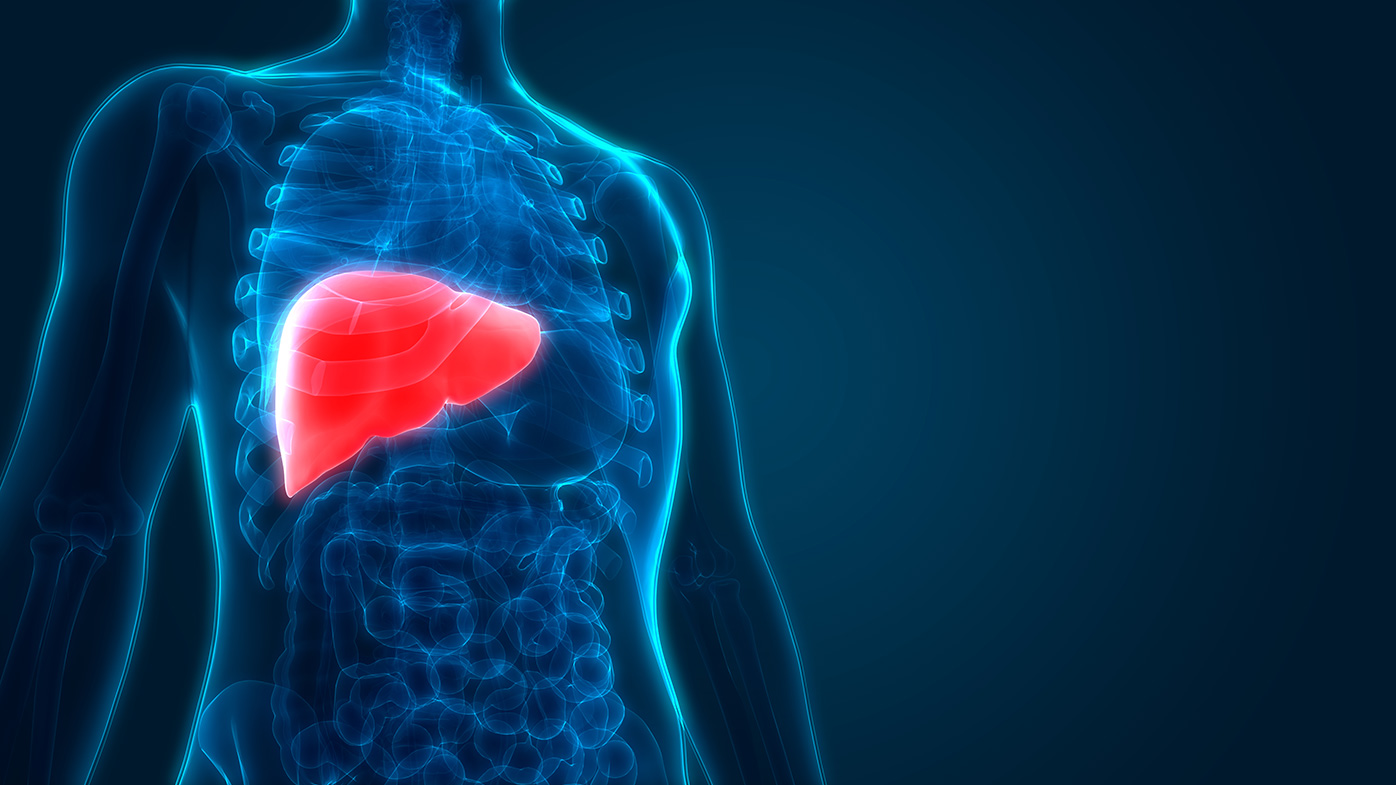
Drug-induced liver injury (DILI) occurs when medicines, herbal remedies, or other substances damage the liver. It is one of the most common causes of liver injury worldwide and can range from mild changes in liver blood tests to severe liver failure that requires emergency medical care.
Many medicines used every day are safe when taken correctly. However, some people may develop liver problems as a side effect, while others may experience liver injury due to overdose, interactions between medicines, or the use of certain herbal products. Early recognition is extremely important because stopping the offending medicine promptly can reduce the severity of liver damage and improve recovery.
If you develop symptoms such as yellowing of the eyes, dark urine, unexplained nausea, or abdominal pain after starting a medicine or herbal remedy, medical advice should be sought promptly. Through Hope Plus, patients can quickly connect with a licensed healthcare provider to discuss symptoms, review medications, and receive guidance on the next steps.
Key Takeaways
- Drug-induced liver injury occurs when medicines or herbal remedies damage the liver.
- Common causes include anti-tuberculosis medicines, antiretroviral drugs, paracetamol, diclofenac, and some herbal products.
- Symptoms may range from no symptoms at all to severe liver failure.
- Early diagnosis and stopping the offending medicine can help prevent serious complications.
- Medicines suspected of causing liver injury should not usually be restarted unless advised by a specialist.
What Is Drug-Induced Liver Injury?
The liver helps process medicines, remove toxins from the body, and perform many other essential functions.
Sometimes, a medicine or herbal remedy can damage liver cells. This damage may occur immediately or develop gradually over days, weeks, or months.
Drug-induced liver injury can affect anyone, although some people are at greater risk depending on the medicine used, the dose, their age, existing liver disease, and other individual factors.
What Causes Drug-Induced Liver Injury?
Many medicines and herbal products have been linked to liver injury.
Anti-Tuberculosis Medicines
Medicines used to treat tuberculosis (TB) are among the most common causes of drug-related liver injury.
Because TB treatment is essential, patients receiving these medicines are often monitored closely for signs of liver problems.
Antiretroviral Medicines
Some medicines used to treat HIV can affect the liver, particularly during the first few months of treatment.
Paracetamol
Paracetamol is generally safe when used correctly.
However, taking too much paracetamol can cause severe liver damage and may lead to acute liver failure.
Diclofenac
Diclofenac, a commonly used pain-relieving medicine, has been associated with liver injury in some individuals.
Cotrimoxazole
This antibiotic can occasionally trigger liver inflammation and liver damage.
Phenytoin and Carbamazepine
These medicines, commonly used for epilepsy and certain neurological conditions, may sometimes cause liver injury.
Ketoconazole
This antifungal medicine has been linked to liver toxicity in some patients.
Herbal Medicines
Some herbal remedies and traditional medicines may contain substances that damage the liver.
Because herbal products are often not tested in the same way as conventional medicines, it can sometimes be difficult to predict their effects.
Who Is at Risk?
The risk may be higher in people who:
- Use multiple medicines at the same time
- Have existing liver disease
- Take excessive doses of medicines
- Use unregulated herbal remedies
- Have previously experienced drug-induced liver injury
- Consume large amounts of alcohol while taking certain medicines
Symptoms of Drug-Induced Liver Injury
Some patients have no symptoms and are only diagnosed after abnormal blood tests.
When symptoms occur, they may include:
- Fatigue
- Loss of appetite
- Nausea
- Vomiting
- Abdominal pain
- Dark urine
- Pale stools
- Itching
- Yellowing of the eyes and skin (jaundice)
- Fever
Symptoms can develop days, weeks, or even months after starting a medicine.
Severe Reactions Associated with Drug-Induced Liver Injury
In some cases, liver injury occurs as part of a serious drug reaction affecting multiple parts of the body.
Stevens-Johnson Syndrome
This is a rare but serious reaction that can affect the skin, eyes, mouth, and other mucous membranes.
Symptoms may include:
- Painful skin rash
- Blistering
- Mouth sores
- Fever
- Eye irritation
Toxic Epidermal Necrolysis
This is a severe form of skin reaction that causes widespread skin damage and requires urgent hospital treatment.
Patients who develop severe skin reactions while taking medication should seek immediate medical attention.
How Is Drug-Induced Liver Injury Diagnosed?
There is no single test that confirms drug-induced liver injury.
Healthcare providers usually make the diagnosis after excluding other possible causes of liver disease.
Medical History
Healthcare providers will review:
- Current medications
- Recent medications
- Herbal remedies
- Supplements
- Alcohol use
- Existing medical conditions
Blood Tests
Blood tests help assess liver function and determine the severity of liver injury.
Excluding Other Causes
Healthcare providers may investigate for other conditions such as:
- Viral hepatitis
- Autoimmune liver disease
- Liver cancer
- Other liver disorders
A diagnosis of drug-induced liver injury becomes more likely when no other cause is identified and symptoms began after exposure to a known liver-damaging medicine or herb.
Treatment of Drug-Induced Liver Injury
Treatment depends on the cause and severity of the liver injury.
Step 1: Stop the Suspected Medicine or Herbal Product
The first and most important step is identifying and stopping the medicine or herb believed to be causing the liver injury.
Healthcare providers will carefully determine which medicine is responsible.
Patients should not stop prescribed medicines without medical advice unless instructed to do so by a healthcare professional.
Step 2: Supportive Care
Supportive treatment helps the body recover while the liver heals.
This may include:
- Rehydration with fluids
- Monitoring liver function
- Nutritional support
- Treatment of symptoms such as nausea
Step 3: Special Management for Paracetamol Poisoning
Paracetamol overdose requires urgent medical treatment.
Specific antidote treatment may be necessary, especially if care is sought early.
Step 4: Avoid Re-Exposure
Once a medicine has been identified as the cause of liver injury, it is usually not given again.
Re-exposure can trigger a more severe reaction and increase the risk of serious complications.
Step 5: Specialist Referral
Patients with suspected drug-induced liver injury are often referred to a regional hospital or specialist for further assessment and management.
This is particularly important if:
- Liver function is worsening
- Jaundice develops
- Severe symptoms occur
- Liver failure is suspected
What Happens If Liver Failure Develops?
Severe liver injury can lead to acute liver failure.
Symptoms may include:
- Confusion
- Extreme drowsiness
- Severe jaundice
- Bleeding problems
- Swelling of the abdomen
These symptoms require emergency medical care.
Can Drug-Induced Liver Injury Be Prevented?
Many cases can be prevented through safe medication use.
Helpful measures include:
- Taking medicines exactly as prescribed
- Avoiding self-medication
- Avoiding excessive doses of paracetamol
- Informing healthcare providers about all medicines and herbal remedies being used
- Attending follow-up appointments when taking medicines that require monitoring
- Seeking medical advice before combining multiple medicines
When Should You Seek Urgent Medical Care?
Seek immediate medical attention if you develop:
- Yellowing of the eyes or skin
- Severe abdominal pain
- Dark urine
- Confusion or unusual drowsiness
- Persistent vomiting
- A severe skin rash
- Blistering of the skin or mouth
These may be signs of serious liver injury or a severe drug reaction.
Frequently Asked Questions (FAQ)
1. What is drug-induced liver injury?
It is liver damage caused by medicines, herbal remedies, supplements, or toxic substances.
2. Can herbal medicines damage the liver?
Yes. Some herbal products can cause liver injury, especially if their ingredients or doses are unknown.
3. Is paracetamol dangerous for the liver?
Paracetamol is safe when used correctly, but taking too much can cause severe liver damage and liver failure.
4. How do I know if a medicine is affecting my liver?
Symptoms such as jaundice, dark urine, nausea, abdominal pain, and abnormal liver blood tests may suggest liver injury.
5. Can drug-induced liver injury be reversed?
Many patients recover completely if the offending medicine is stopped early and appropriate medical care is provided.
6. Should I restart a medicine that caused liver injury before?
In most cases, no. Medicines that have previously caused liver injury should not be restarted unless specifically advised by a specialist.
7. When should I see a healthcare provider?
You should seek medical advice promptly if symptoms of liver disease develop after starting a new medicine or herbal remedy.