

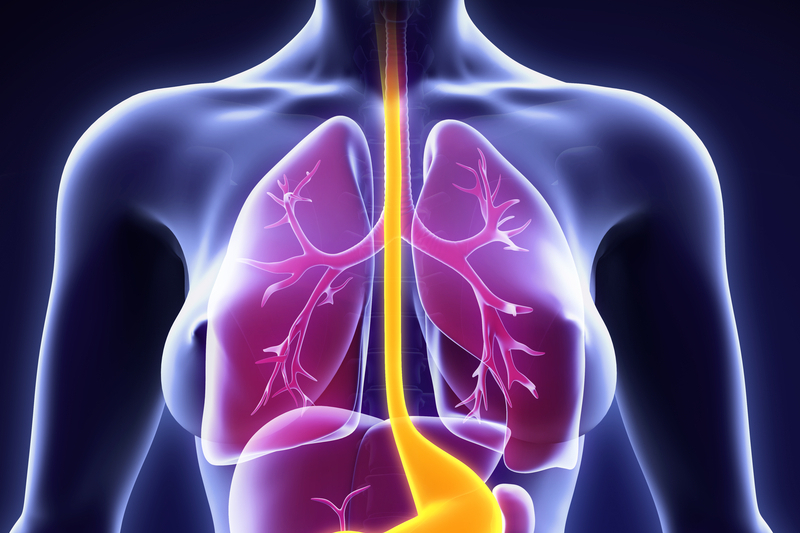
Oesophageal varices are enlarged veins that develop in the lower part of the food pipe (oesophagus). They usually occur when blood flow through the liver is blocked, most commonly because of liver cirrhosis. As pressure builds up in the blood vessels around the liver, veins in the oesophagus become swollen and fragile.
Oesophageal varices are important because they can suddenly rupture and cause severe bleeding. This is a medical emergency that can be life-threatening if treatment is delayed. People living with liver disease in Uganda should understand this condition and seek regular medical care to reduce the risk of complications.
If you have liver cirrhosis or have been told you have portal hypertension, getting medical advice early can help prevent serious bleeding. Through Hope Plus, patients can quickly connect with a licensed healthcare provider for guidance, assessment, and advice on the next steps, helping them access care before complications develop.
Key Takeaways
- Oesophageal varices are enlarged veins in the food pipe caused by increased pressure in blood vessels around the liver.
- Liver cirrhosis is the most common cause of oesophageal varices.
- Many people have no symptoms until bleeding occurs.
- Severe bleeding from oesophageal varices is a medical emergency.
- Regular screening and preventive treatment can greatly reduce the risk of bleeding.
What Are Oesophageal Varices?
The oesophagus is the tube that carries food and drinks from the mouth to the stomach.
When the liver becomes scarred, blood cannot flow through it normally. This causes a condition called portal hypertension, where pressure increases in the portal vein and nearby blood vessels. To bypass the blockage, blood is diverted through smaller veins in the oesophagus.
These veins are not designed to handle such high pressure. Over time, they become enlarged, stretched, and fragile. These swollen veins are called oesophageal varices.
What Causes Oesophageal Varices?
Liver Cirrhosis
The most common cause is liver cirrhosis. Cirrhosis is permanent scarring of the liver that interferes with normal blood flow.
Common causes of cirrhosis include:
- Chronic hepatitis B infection
- Chronic hepatitis C infection
- Long-term alcohol-related liver disease
- Fatty liver disease
- Other chronic liver conditions
Portal Hypertension
Portal hypertension refers to increased pressure in the portal vein, the major blood vessel that carries blood to the liver.
As pressure rises, blood is forced into smaller veins around the oesophagus, causing them to enlarge.
Who Is at Risk?
The risk is higher in people who:
- Have liver cirrhosis
- Have chronic hepatitis B or hepatitis C infection
- Have advanced liver disease
- Have previously experienced bleeding from varices
- Have signs of portal hypertension
Symptoms of Oesophageal Varices
Many people do not have symptoms until complications develop.
When Varices Have Not Bled
Most patients feel no symptoms from the varices themselves. Symptoms may instead be related to the underlying liver disease.
When Varices Bleed
Bleeding can occur suddenly and without warning.
Symptoms may include:
- Vomiting blood
- Passing black, tarry stools
- Passing fresh blood in stool
- Dizziness
- Weakness
- Fainting
- Rapid heartbeat
- Low blood pressure
- Confusion due to severe blood loss
Why Is Bleeding Dangerous?
Bleeding from oesophageal varices can be massive.
Without urgent treatment, severe blood loss may lead to:
- Shock
- Organ failure
- Loss of consciousness
- Death
Any patient who vomits blood or passes black stools should seek emergency medical care immediately.
How Are Oesophageal Varices Diagnosed?
Endoscopy
The main test used is an upper gastrointestinal endoscopy.
During this procedure, a flexible tube with a camera is passed through the mouth into the oesophagus and stomach. This allows healthcare providers to see whether varices are present and assess their size and risk of bleeding.
Screening for Patients with Cirrhosis
Patients diagnosed with liver cirrhosis are often advised to undergo regular endoscopic screening. This helps identify varices before they bleed and allows preventive treatment to begin early.
Treatment of Oesophageal Varices
Treatment depends on whether bleeding has occurred and the risk of future bleeding.
Preventing Bleeding
If varices are found before bleeding occurs, treatment may be started to reduce the risk.
Beta Blocker Medicines
Healthcare providers may prescribe medicines called beta blockers.
One commonly used medicine is propranolol.
The dose is adjusted carefully to lower the resting heart rate and reduce pressure in the affected blood vessels.
Not every patient is suitable for propranolol. Healthcare providers assess each patient individually, especially if there are other complications of advanced liver disease.
Endoscopic Variceal Ligation
This procedure is commonly known as variceal banding.
During endoscopy, small rubber bands are placed around enlarged veins. The bands cut off blood flow to the veins, causing them to shrink.
This treatment can significantly reduce the risk of future bleeding.
Sclerotherapy
In some cases, healthcare providers may inject special substances into or around the varices to make them shrink and close off.
This procedure is called sclerotherapy.
What Happens If Acute Bleeding Occurs?
Bleeding from oesophageal varices is a medical emergency.
Treatment in hospital may include:
- Emergency assessment and monitoring
- Intravenous fluids
- Blood transfusions if necessary
- Emergency endoscopy
- Variceal banding or other procedures to stop bleeding
- Medicines that reduce pressure in the portal vein
Patients with severe bleeding are usually admitted for close monitoring and specialist care.
Living with Oesophageal Varices
If you have oesophageal varices, regular follow-up appointments are important.
Healthcare providers may recommend:
- Regular endoscopy examinations
- Medicines to lower portal pressure
- Monitoring of liver disease
- Treatment of hepatitis if present
- Avoiding alcohol if advised
- Prompt medical review if any signs of bleeding develop
Following treatment plans carefully can significantly reduce the risk of complications.
Can Oesophageal Varices Be Prevented?
Prevention focuses mainly on preventing liver disease and managing cirrhosis early.
Helpful measures include:
- Vaccination against hepatitis B
- Early testing and treatment for hepatitis infections
- Avoiding harmful alcohol use
- Managing liver disease under medical supervision
- Attending recommended screening appointments
- Taking prescribed medicines as directed
When Should You Go to Hospital Immediately?
Seek emergency medical care if you:
- Vomit blood
- Pass black, tarry stools
- Pass large amounts of blood in stool
- Feel faint or collapse
- Develop severe weakness or dizziness
These may be signs of life-threatening bleeding.
Frequently Asked Questions (FAQ)
1. What are oesophageal varices?
They are enlarged veins in the lower part of the food pipe that develop because of increased pressure in blood vessels around the liver.
2. What causes oesophageal varices?
The most common cause is liver cirrhosis, which leads to portal hypertension and enlargement of veins in the oesophagus.
3. Do oesophageal varices always cause symptoms?
No. Many people have no symptoms until bleeding occurs.
4. How are oesophageal varices detected?
They are usually detected using an upper gastrointestinal endoscopy, which allows healthcare providers to view the oesophagus directly.
5. Can bleeding from oesophageal varices be prevented?
Yes. Regular screening, beta blocker medicines, and endoscopic treatments such as banding can reduce the risk of bleeding.
6. Is vomiting blood always an emergency?
Yes. Vomiting blood should always be treated as a medical emergency and requires immediate hospital care.
7. Can oesophageal varices be cured?
Treatment can control varices and reduce the risk of bleeding, but long-term management usually focuses on treating the underlying liver disease and preventing complications.