

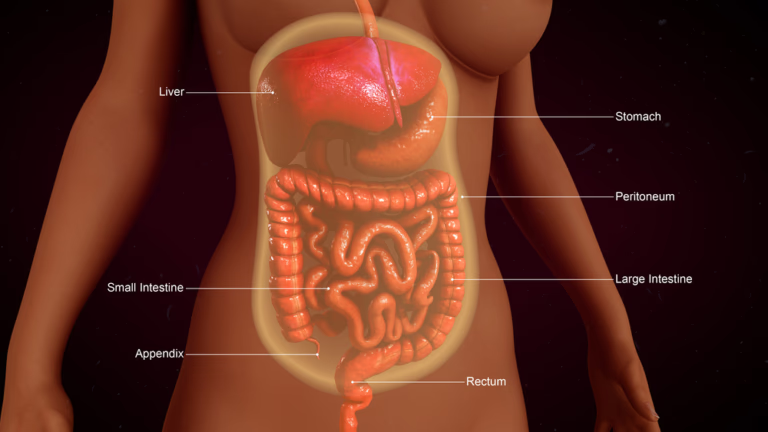
Spontaneous Bacterial Peritonitis, often called SBP, is a serious infection of fluid that builds up in the abdomen. This fluid is called ascites and commonly occurs in people with advanced liver disease, especially liver cirrhosis. SBP can develop suddenly and can quickly become life-threatening if not treated early.
In Uganda, many people living with chronic liver disease from hepatitis B, hepatitis C, alcohol-related liver damage or other causes may develop ascites. If infection enters this fluid, it can spread rapidly in the body. Early hospital treatment saves lives.
If you or a loved one has liver disease and develops new abdominal pain, fever, or confusion, urgent medical care is needed. Through Hope Plus, patients can quickly connect to a licensed healthcare provider for guidance and referral within minutes, helping you decide whether immediate hospital care is required.
Key Takeaways
- SBP is a serious infection of abdominal fluid in people with liver cirrhosis.
- It can cause fever, abdominal pain, confusion and kidney failure.
- Diagnosis is confirmed by testing abdominal fluid in hospital.
- Treatment involves intravenous antibiotics and sometimes albumin infusion.
- Early hospital admission greatly improves survival.
What Causes Spontaneous Bacterial Peritonitis?
SBP happens when bacteria infect the fluid (ascites) inside the abdomen.
This usually occurs in people who already have:
- Liver cirrhosis
- Large amounts of ascites
- Weak immune defence due to chronic liver disease
The infection is called “spontaneous” because it occurs without a clear source like a burst appendix or bowel perforation.
In Uganda, common causes of liver cirrhosis include:
- Chronic hepatitis B
- Chronic hepatitis C
- Alcohol-related liver disease
- Non-alcoholic fatty liver disease
People with advanced liver disease are at highest risk.
Symptoms of SBP
Anyone with liver cirrhosis and ascites should be alert for these warning signs:
H3: Abdominal Symptoms
- Increasing abdominal swelling
- New or worsening abdominal pain
- Abdominal tenderness when touched
H3: General Symptoms
- Fever
- Feeling generally unwell
- Loss of appetite
H3: Brain and Kidney Changes
- Worsening confusion (hepatic encephalopathy)
- Drowsiness
- Reduced urine output
- Sudden worsening kidney function
If not treated early, SBP can lead to:
- Kidney failure
- Bleeding from enlarged veins in the oesophagus (varices)
- Death
Any of these symptoms in a person with ascites requires urgent hospital admission.
How Is SBP Diagnosed?
Diagnosis is made in hospital.
H3: Ascitic Tap (Paracentesis)
A healthcare provider inserts a sterile needle into the abdomen to remove a small amount of fluid. This is called an ascitic tap.
The fluid is tested in the laboratory. If the neutrophil count is more than 250 cells per mm³, SBP is confirmed.
This test is very important and should be done urgently when SBP is suspected.
Treatment of SBP in Uganda
SBP is a medical emergency and must be treated in hospital.
H3: 1. Intravenous Antibiotics
Antibiotics are given directly into the vein for 5 to 10 days.
Common treatment includes:
- Ceftriaxone given intravenously once daily
- If necessary, metronidazole may be added intravenously every 8 hours
These medicines help clear the infection quickly.
H3: 2. Albumin Infusion
Albumin may be given through a drip at a dose based on body weight.
This helps protect the kidneys and reduces the risk of hepatorenal syndrome, a dangerous form of kidney failure.
H3: 3. Specialist Care
Patients are referred or managed by a specialist as soon as possible. Care may involve:
- Monitoring kidney function
- Monitoring mental status
- Checking for bleeding complications
- Managing underlying liver disease
Important Caution
Certain medicines can worsen kidney function in SBP and are avoided, including:
- Gentamicin
- Non-steroidal anti-inflammatory drugs such as diclofenac or ibuprofen
Patients should never self-medicate when living with advanced liver disease.
Stepwise Management Approach
When SBP is suspected:
- Immediate hospital admission.
- Ascitic fluid testing is performed.
- Intravenous antibiotics are started without delay.
- Albumin infusion is given to protect kidney function.
- Ongoing monitoring and specialist review are arranged.
Early action significantly improves outcomes.
Can SBP Be Prevented?
Prevention focuses on good management of liver disease.
H3: Key Prevention Measures
- Regular follow-up for liver disease
- Early treatment of hepatitis B or C
- Avoiding alcohol if liver disease is present
- Prompt medical care for fever or abdominal pain
- In some high-risk patients, preventive antibiotics may be prescribed by a specialist
People with cirrhosis should attend clinic regularly and report any new symptoms immediately.
When Should You Seek Urgent Care?
Seek immediate hospital care if you have liver disease and develop:
- Fever
- Abdominal pain
- Sudden confusion
- Worsening abdominal swelling
- Reduced urine output
SBP can worsen quickly, so delays are dangerous.
Frequently Asked Questions (FAQs)
1. Is SBP contagious?
No. SBP is not spread from person to person. It develops inside the body due to infection of abdominal fluid in people with liver disease.
2. Can SBP happen more than once?
Yes. Some patients may experience repeated episodes. Doctors may prescribe long-term preventive antibiotics for high-risk patients.
3. Is SBP curable?
Yes, if treated early with intravenous antibiotics. However, it indicates severe liver disease, so long-term outlook depends on liver function.
4. Can I treat SBP at home?
No. SBP requires hospital admission, intravenous antibiotics and close monitoring.
5. How serious is SBP?
It is very serious and can be life-threatening if untreated. Early treatment greatly improves survival.
6. Does everyone with ascites get SBP?
No. But anyone with ascites due to liver cirrhosis is at risk and must watch for symptoms.
7. Can improving my liver health reduce the risk?
Yes. Managing hepatitis, avoiding alcohol, attending regular clinic reviews and following medical advice reduces complications.
If you live with liver disease, do not ignore new symptoms. Early hospital care saves lives.