

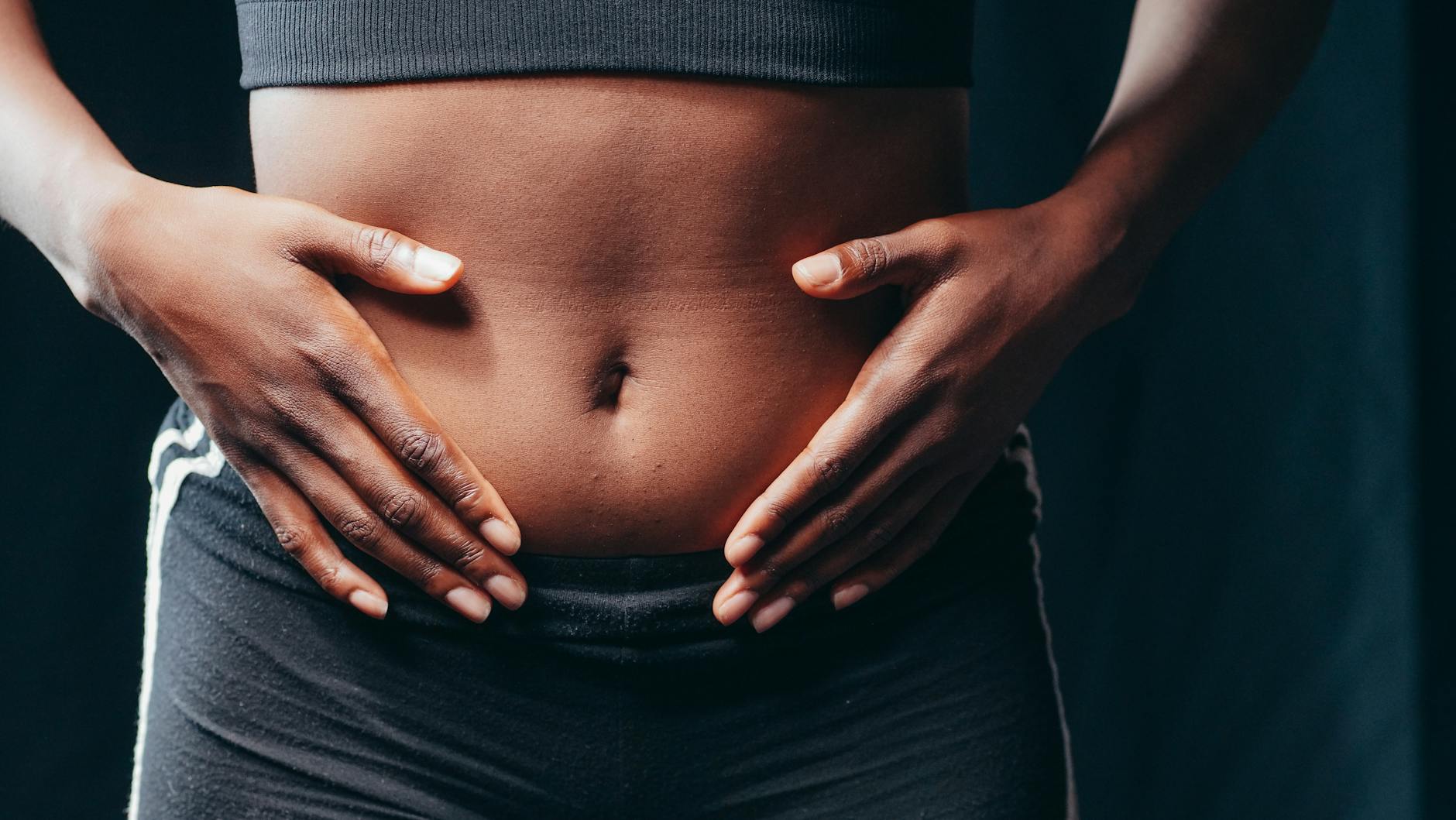
Ascites is a condition where fluid collects inside the abdomen. This fluid builds up in the space around the organs, called the peritoneal cavity. It usually happens because of severe liver disease, especially liver cirrhosis.
In Uganda, ascites is commonly linked to chronic hepatitis B, hepatitis C, and long-term alcohol use. When fluid collects in the abdomen, it can cause swelling, discomfort, breathing difficulty, and serious complications if not treated early.
If you notice unusual abdominal swelling or have been told you have ascites, Hope Plus can connect you to a licensed healthcare provider within minutes. A provider can review your symptoms, advise you on urgent signs to watch for, and guide you on where to seek proper treatment. Learn more here: https://hope.co.ug/plus/
Key Takeaways
- Ascites is fluid build-up in the abdomen, often due to liver disease.
- It can range from mild and only seen on ultrasound to severe with obvious swelling.
- Treatment includes salt restriction, medicines called diuretics, and sometimes drainage.
- Severe ascites requires hospital care.
- Early monitoring prevents life-threatening complications.
What Causes Ascites?
Ascites most commonly develops because of liver cirrhosis. When the liver is badly scarred:
- Blood pressure in the liver increases.
- Fluid leaks from blood vessels into the abdomen.
- The body retains more salt and water.
Less commonly, ascites may be caused by infections, cancer, or kidney problems. However, in Uganda, liver disease is the main cause.
Types and Grading of Ascites
Healthcare providers classify ascites into three grades.
Grade 1 Ascites (Mild)
- Fluid is present but cannot be seen easily.
- It is only detected on an abdominal ultrasound scan.
- The abdomen may look normal.
Grade 2 Ascites (Moderate)
- The abdomen is moderately swollen.
- Swelling is usually symmetrical.
- Clothes may feel tight.
Grade 3 Ascites (Severe)
- The abdomen is very swollen and tense.
- Movement and breathing may become uncomfortable.
- Immediate medical attention is usually required.
How Doctors Diagnose Ascites
Clinical Examination
Healthcare providers may detect fluid using:
- Fluid thrill, where a wave of fluid is felt across the abdomen.
- Shifting dullness, where sound changes when tapping the abdomen as the patient changes position.
Investigations
1. Abdominal Ultrasound
An ultrasound confirms the presence of fluid and estimates how much is there.
2. Peritoneal Tap (Paracentesis)
A small needle is inserted into the abdomen to remove fluid for testing.
The fluid is analysed to check for:
- Infection
- Cancer cells
- Other abnormalities
This test helps guide treatment.
Management of Ascites in Uganda
Patients with ascites should be managed at a hospital, especially if the swelling is severe or worsening.
The main principles of management include:
- Diet modification
- Daily monitoring
- Diuretics
- Drainage when necessary
1. Diet Management
Salt intake must be reduced.
- A no-added-salt or low-salt diet is recommended.
- Packaged and processed foods should be avoided.
Protein intake should not be too low.
- Plant proteins can be eaten freely.
- Animal proteins can be eaten in moderation.
- Protein is adjusted if confusion from liver disease develops.
Water restriction may be necessary if:
- There is body swelling.
- Blood sodium levels are low.
Patients are strongly advised to:
- Stop alcohol completely.
- Avoid NSAIDs unless prescribed.
- Avoid herbal medicines.
2. Daily Monitoring
While in hospital or under close care, healthcare providers monitor:
- Daily weight
- Blood pressure
- Pulse
- Stool for signs of bleeding
- Signs of confusion
Weight loss of about 300 to 500 grams per day is usually the goal during treatment.
3. Diuretics (Water Tablets)
Medicines help remove excess fluid from the body.
Spironolactone
- Usually started at 50 to 100 mg once daily in the morning.
- The dose may be increased every 7 days if needed.
- The maximum dose may reach 400 mg per day.
- Most patients do well on 50 mg daily once ascites improves.
Furosemide
- May be added at 20 to 40 mg per day.
- Dose may be increased up to 160 mg per day if needed.
- Often used if leg swelling is present.
- Blood pressure is monitored closely to avoid low blood pressure.
The aim is to use the lowest effective dose.
4. Drainage of Fluid (Paracentesis)
Drainage is recommended for Grade 3 severe ascites.
During the procedure:
- Fluid is removed using a needle.
- Small volumes under 5 litres may be removed over 3 to 4 hours.
- Larger volumes between 5 and 10 litres may be removed with albumin infusion.
- About 8 grams of albumin is given per litre of fluid removed.
After drainage:
- Spironolactone is continued.
- Blood pressure and urine output are closely monitored.
When Is Referral Needed?
Urgent referral to a higher-level hospital is needed if:
- Ascites becomes complicated.
- There is infection in the fluid.
- Kidney function worsens.
- There is severe low blood pressure.
- Urine output decreases.
Frequently Asked Questions
1. Is ascites the same as obesity?
No. Ascites is fluid in the abdomen due to disease. Obesity is fat accumulation.
2. Can ascites go away completely?
It can improve significantly with proper treatment, but if the underlying liver disease remains severe, fluid may return.
3. Why must I avoid salt?
Salt causes the body to retain water, which worsens abdominal swelling.
4. Is draining the fluid dangerous?
Paracentesis is generally safe when done in hospital. Blood pressure and kidney function are monitored closely.
5. Can I treat ascites at home?
Mild cases may be monitored with medication, but severe ascites requires hospital care.
6. Should I stop drinking alcohol?
Yes. Alcohol worsens liver damage and increases fluid build-up.
7. When should I go to hospital urgently?
Seek urgent care if you develop:
- Fever
- Severe abdominal pain
- Confusion
- Vomiting blood
- Reduced urine output
- Sudden worsening swelling
Ascites is a serious sign of liver disease, but early treatment and close monitoring can prevent life-threatening complications. Always seek care from a qualified health provider.