

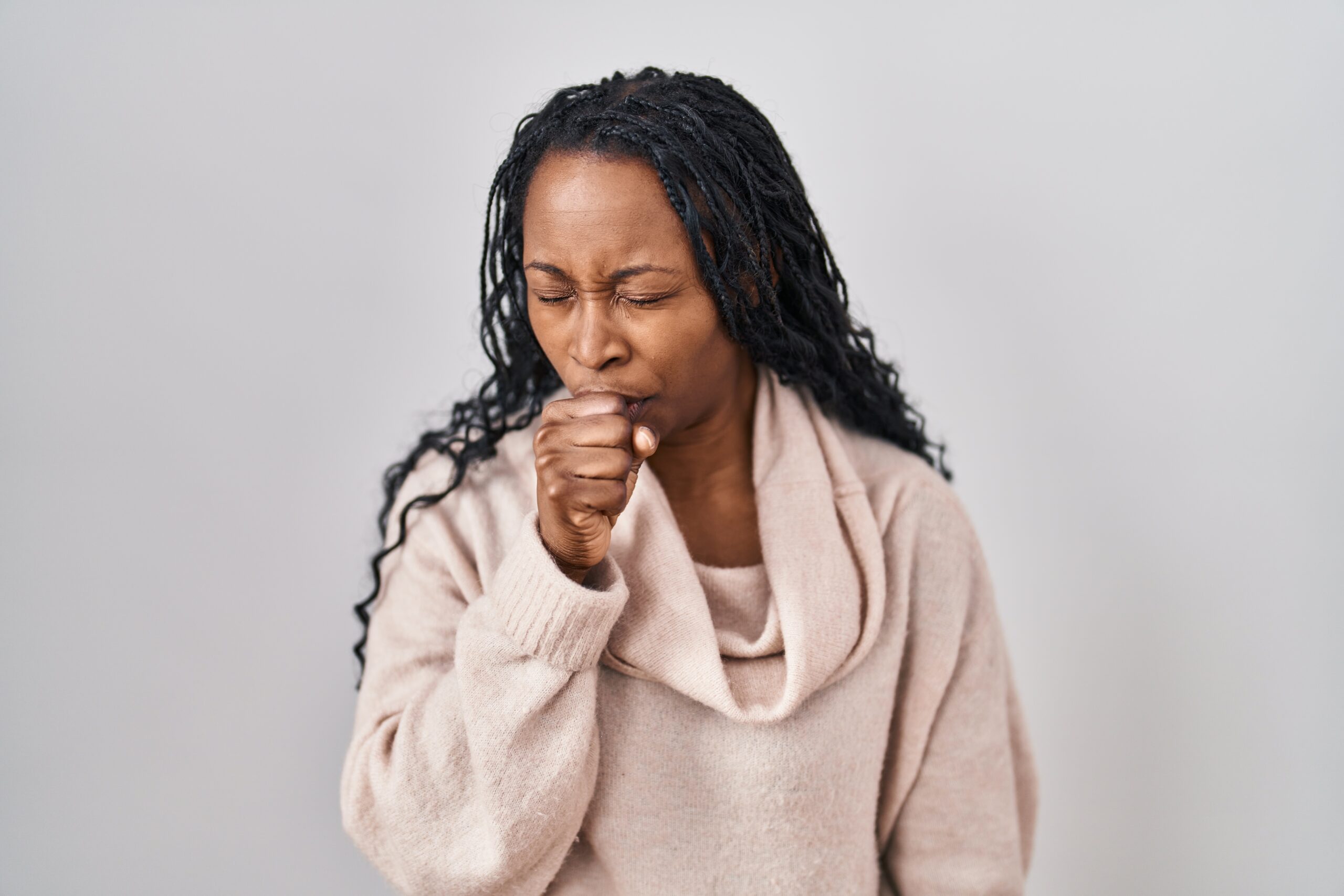
Acute bronchitis is a short-term infection of the airways (bronchi) that carry air to the lungs. It usually causes coughing and chest discomfort, and while it often gets better on its own, understanding the condition helps you manage symptoms and prevent complications.
If you or your child develop symptoms of acute bronchitis, Hope Plus can connect you to a licensed healthcare provider for a consultation within minutes. A provider can check your symptoms, advise on supportive care, and determine if medications like antibiotics are needed. You can access this service here: Hope Plus.
Key Takeaways
- Acute bronchitis is usually caused by a viral infection and is often mild.
- Cough, chest tightness, and mild fever are common symptoms.
- Most people recover with rest, fluids, and simple medications.
- Antibiotics are only needed if there is a bacterial infection or risk factors.
- Avoiding cold, dust, smoke, and cigarette smoke helps prevent bronchitis.
Causes of Acute Bronchitis
Acute bronchitis is most often caused by viruses. Other possible causes include:
- Mycoplasma pneumoniae in older children
- Bacterial infections such as Streptococcus pneumoniae or Haemophilus influenzae
Children and adults with weakened immunity, malnutrition, or other illnesses are more likely to develop bacterial complications.
Predisposing Factors
- Exposure to cold weather, dust, or smoke
- Cigarette smoking
Symptoms to Watch For
Acute bronchitis usually develops gradually:
- Starts with a runny nose and sore throat (rhinopharyngitis)
- Progresses to chest symptoms like cough and tightness
- Cough may be productive, sometimes with small amounts of mucus or blood streaks
- Wheezing can occur in some cases
- Fever may be mild
- Severe bacterial infections can cause high fever (>38.5°C), difficulty breathing, or yellow/green mucus
How Healthcare Providers Diagnose Acute Bronchitis
Diagnosis is mainly based on symptoms and physical examination. Providers may also:
- Order a chest X-ray to rule out pneumonia or other lung conditions
Managing Acute Bronchitis
Most cases are mild and improve without antibiotics.
Supportive Care
- Paracetamol to reduce fever and discomfort (Adults: 1 g every 4–6 hours, max 4 g/day; Children: 10 mg/kg per dose, max 500 mg)
- Plenty of fluids to stay hydrated
- Nasal irrigation with normal saline for children to clear the airways
- Home remedies like honey, ginger, or lemon can soothe cough
When Antibiotics Are Needed
If a bacterial infection is suspected, especially in people with risk factors (malnutrition, measles, severe anaemia, elderly, cardiac disease), healthcare providers may prescribe:
- Amoxicillin (Adults: 500 mg every 8 hours; Children: 40 mg/kg every 12 hours)
- Doxycycline (Adults: 100 mg every 12 hours; Children >8 years: 2 mg/kg per dose)
Preventing Acute Bronchitis
- Avoid exposure to cold, dust, and smoke
- Stop cigarette smoking or avoid second-hand smoke
- Maintain good hygiene, including frequent handwashing
FAQ: Common Questions About Acute Bronchitis
1. Can acute bronchitis be cured?
Yes, most cases resolve on their own within 1–2 weeks with rest and fluids.
2. Does everyone need antibiotics?
No, antibiotics are only given if a bacterial infection is suspected or if there are risk factors for complications.
3. How can I relieve my cough at home?
Honey, ginger, lemon, and plenty of fluids can help soothe your throat and clear mucus.
4. When should I see a doctor?
Seek medical care if you have high fever, difficulty breathing, chest pain, or if symptoms do not improve after 1–2 weeks.
5. Can children get acute bronchitis?
Yes, especially those exposed to cold, dust, smoke, or with weak immunity.
6. How can I prevent acute bronchitis?
Avoid cold drafts, reduce exposure to dust and smoke, and maintain good hygiene to prevent viral infections.
7. Can bronchitis lead to pneumonia?
Yes, in some cases, especially if the infection is bacterial or if the person has other health problems, pneumonia can develop.